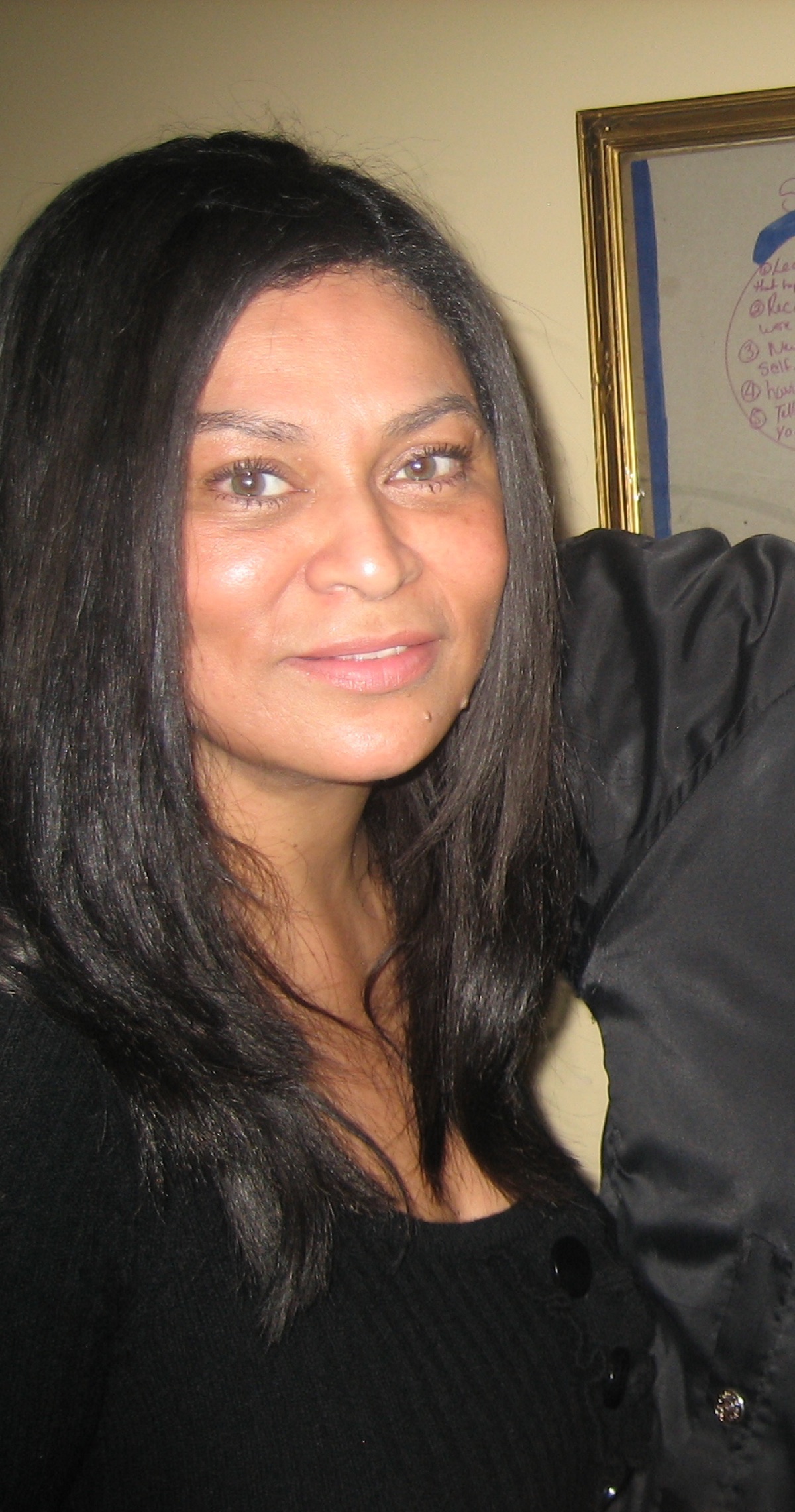
In April 2025, Tina Knowles published Matriarch, her memoir, with Knopf. In the book and in the press tour that followed, she disclosed something she had not previously made public: she had been diagnosed with stage 1 breast cancer in late 2024, treated successfully, and had caught the cancer because she went for the mammogram she had been postponing.
Her phrasing in interviews has been blunt about the missed-mammogram part. She has described pushing the appointment back through 2023, then telling a friend in late 2024 she was overdue, then finally going in. The mammogram caught the cancer. The phrase she has used in multiple interviews is some version of: I shudder to think what could have happened if I had waited another year.
The reason the disclosure landed for so many Black women is a real evidence pattern underneath it. Per the American Cancer Society's Cancer Facts and Figures for African Americans, Black women are 38 percent more likely to die from breast cancer than white women, despite slightly lower incidence. The mortality gap is real and persistent. The mammogram-screening conversation is the front edge of closing it.
Who she is
Knowles, 71 at the time of the memoir's release, is best known publicly as the mother of Beyonce and Solange and as the founder of the House of Dereon fashion line, but the through-line in Matriarch is her own life: growing up in Galveston, Texas, building two of the largest hair-and-beauty businesses in the South before her daughters' careers, running a cosmetology school named for Beyonce, and the matriarchal-role framing she gives to the work she has done in Black-women-and-business spaces over the last four decades.
The book entered the New York Times bestseller list and was selected for Oprah's Book Club 2.0. The press tour brought the breast-cancer disclosure into national lifestyle and Black-press coverage in a way that public-health campaigns alone do not reach.
What the breast-cancer disparity looks like
The headline number is the 38 percent higher mortality. The reasons it is 38 percent and not 100 percent and not 5 percent matter, because each layer is its own intervention pathway.
Aggressive subtype prevalence. Triple-negative breast cancer, which has no hormone-receptor or HER2 target and therefore no targeted-therapy options, is roughly twice as common in Black women as in white women. It tends to present at younger ages and progress faster. The mortality gap traces partly to this biology, which is not modifiable but is screening-modifiable: caught earlier, the outcome math improves.
Later-stage diagnosis. Black women are more likely to be diagnosed at stage 3 or stage 4 than white women. Mammogram-screening rates between Black and white women are similar at the population level, but follow-up time from abnormal mammogram to diagnostic workup to treatment initiation runs longer for Black women. The Knowles story is the inverse: she went, the mammogram caught it, the workup happened, treatment started early. Stage 1 is the side of the curve where the survival math is over 95 percent at 5 years.
Treatment-access disparity. Once diagnosed, Black women are more likely to receive non-guideline-concordant care: delayed treatment initiation, fewer adjuvant therapy referrals, lower clinical-trial enrollment. The Hoffman 2016 PNAS pain-bias finding (PMID 27044069) extends into oncology in documented ways: pain management for Black breast-cancer patients runs systematically lighter than for white patients with comparable disease.
What Knowles’s disclosure does
The cancer-screening conversation in Black communities runs through trusted personal networks more than it runs through ad campaigns. The ACS publishes the 38-percent-mortality-gap statistic every year. The Black women who change their schedule to keep a postponed mammogram appointment usually change it because someone they know talked to them about why they should.
Whatever brought you to this page, community health centers see patients regardless of insurance and charge on a sliding scale that is often $0. Our directory of free and charitable clinics lists centers by state. A same-day telehealth visit is self-pay and is not billed to Medicaid, so if you have Medicaid the clinic route will usually cost less. If you would rather see a clinician online today:

See a doctor online today.
- Same-day video visits from $34
- Price shown before you book
- No insurance needed
 with Sesame Care
Affiliate link, we may earn a commission at no extra cost to you.
Knowles, in this lane, is the trusted personal network at scale. Her press tour reached Black women who do not read public-health journals and do not click through CDC web pages. Her line about postponing the mammogram and the relief at having gone is the kind of disclosure that gets quoted in group chats, at the salon, at church. That distribution channel is the lever ACS messaging cannot reach on its own.
How to follow her work
The memoir is the durable artifact: Matriarch, published by Knopf, April 2025. Hardcover and audiobook (audiobook narrated by Knowles).
Knowles’s primary social channel is Instagram at @mstinaknowles, where her posting cadence is heavy on family, business, and post-Matriarch interview clips. Her posts on the breast-cancer disclosure during 2025 are pinned and easy to find.
The Beyonce Cosmetology Center, which she founded in Houston, runs cosmetology training programs grounded in the same matriarchal-business framework she walks through in the book.
What you can take from this
Three concrete moves.
First, if you are a Black woman 40 or older and you have postponed your mammogram, schedule it this week. American College of Radiology and ACS guidance both currently recommend annual screening starting at 40 for average-risk women. If you have a first-degree relative with breast cancer or known BRCA1/BRCA2 mutation, the screening conversation starts earlier; talk to your clinician.
Second, if your mammogram is abnormal, follow-up time matters more than people often realize. The Black-white mortality gap traces partly to longer time-to-diagnostic-workup. Push for the diagnostic mammogram and biopsy timeline you would expect for any other patient. If your clinician's scheduling is dragging, ask the patient navigator if you have one, or escalate.
Third, the Knowles disclosure is doing the cultural work. The medical-system work is yours and your clinician's. The Black Health provider directory lists primary-care clinicians and OB-GYNs with verified licenses; our piece on why finding a Black doctor is harder than it should be covers the workforce numbers. The cleanest pathway to a screening visit you will keep is one you book with a clinician you trust.
Citations
Knowles T. Matriarch. New York: Knopf; 2025.
American Cancer Society. Cancer Facts and Figures for African American/Black People. cancer.org.
Hoffman KM, Trawalter S, Axt JR, Oliver MN. Racial bias in pain assessment and treatment recommendations, and false beliefs about biological differences between blacks and whites. Proc Natl Acad Sci USA. 2016;113(16):4296-4301. PMID 27044069.