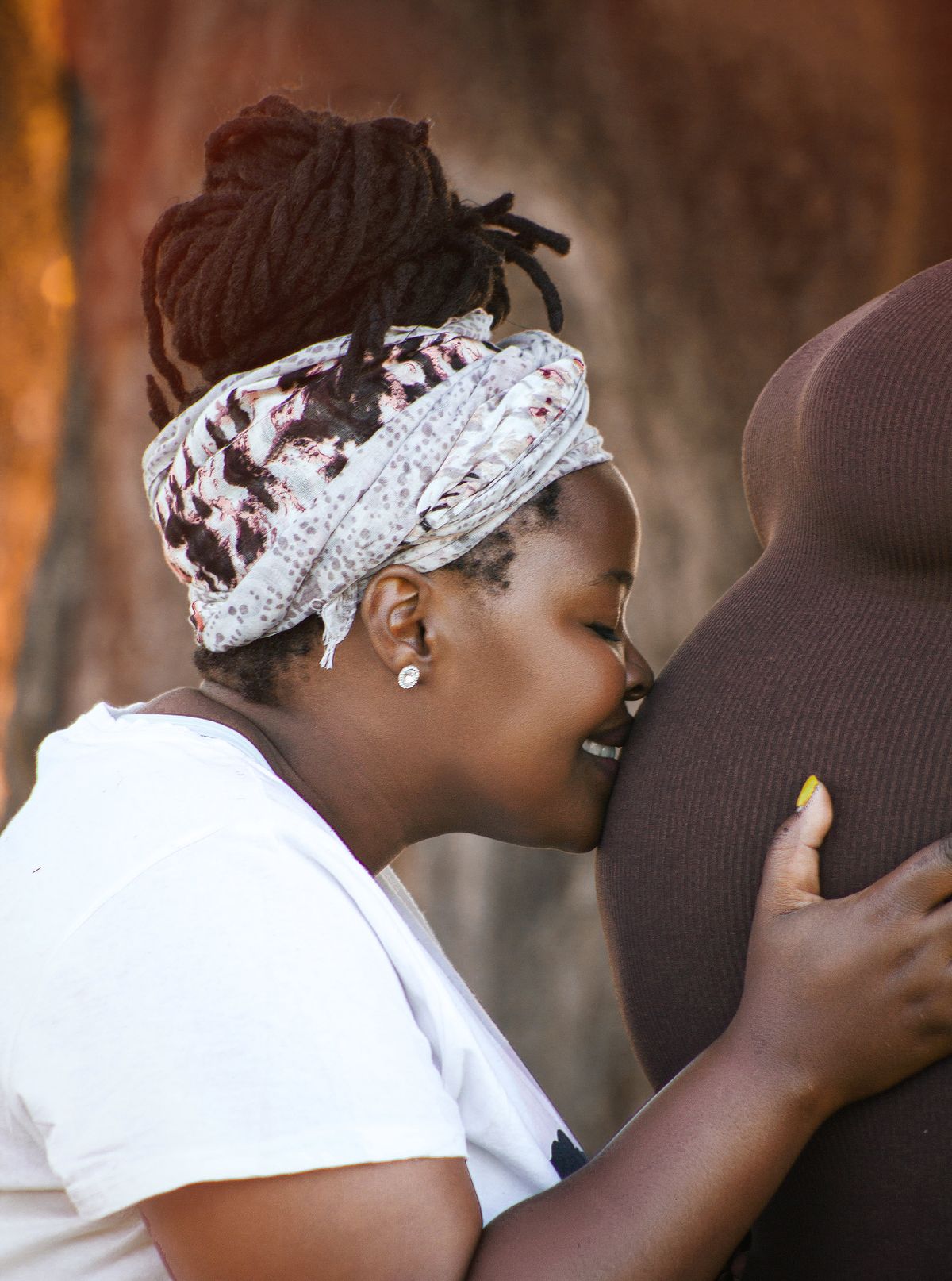
A 2017 Cochrane systematic review led by Meghan A. Bohren pooled 27 randomized trials of continuous labor support covering 15,858 women across high-income, middle-income, and lower-resource settings (Bohren et al., Cochrane Database of Systematic Reviews 2017; PMID 28681500). Women who received continuous one-on-one support during labor were 25 percent less likely to have a cesarean birth than women in usual care. They were also more likely to have a spontaneous vaginal birth, had shorter labors, used less pain medication, and reported fewer negative feelings about their birth experience afterward.
The Cochrane team's verbatim summary: "Continuous support during labour may improve outcomes for women and infants, including increased spontaneous vaginal birth, shorter duration of labour, and decreased caesarean birth, instrumental vaginal birth, use of any analgesia, use of regional analgesia, low five-minute Apgar score and negative feelings about childbirth experiences."
What "continuous support" means in the trials
The Bohren review defined continuous support as one-on-one labor support provided across the duration of labor by a trained or untrained companion: a doula, a midwife, a nurse, a partner, or a friend or family member. The support included emotional encouragement, physical comfort measures (positioning, massage, breathing coaching), information, and advocacy for the woman's preferences with the medical staff.
The cesarean reduction held across multiple subgroup analyses. The effect was strongest when the support person was someone outside the woman's social network and outside the hospital staff (the configuration most US doulas fit). The Cochrane team rated the cesarean-reduction finding as low-quality evidence, which is a Cochrane-specific term referring to confidence in the precision of the effect-size estimate, not a judgment on whether the effect exists. The direction and approximate magnitude of the effect are well-established; the precise number could shift by a few percentage points with future trials.
Why this matters for Black women specifically
The 25 percent cesarean reduction in the Bohren review is a population-level finding. The trials did not stratify their primary results by Black-vs-white outcomes, and most trials were conducted in mixed populations or non-US settings. Black women in the United States face a cesarean rate of about 36 percent, compared with about 31 percent for white women, and a maternal mortality rate roughly three times higher than white women per 2024 CDC data. The continuous-support intervention is unusually well-suited to a population whose poor outcomes are partly downstream of inadequate communication with medical staff, pressure to accept interventions without informed consent, and dismissal of pain reports. Black women in US maternal-health surveys report all three patterns at higher rates than white women.
The implementation evidence specific to Black women in US doula programs is documented in our coverage of Illinois's January 2026 private-insurance doula-coverage mandate, four months in. The Bohren 2017 review is the evidence base the Illinois implementation rests on; the Illinois piece tracks whether implementation translates trial-level findings into population-level outcomes.
What the evidence does not yet pin down
The Cochrane team's "low-quality evidence" caveat applies to the precise magnitude of the cesarean-reduction estimate, not the direction or approximate size. Future trials may shift the point estimate. The Bohren review also does not isolate which components of continuous support drive the effect: emotional support, physical comfort measures, information-sharing, advocacy with medical staff, or the simple presence of a continuous companion. The review's headline finding is that the package works; mechanism-specific analyses are still in progress in the labor-support literature.
US doula-coverage policy at the state Medicaid level has expanded rapidly between 2018 and 2026, with most states now offering some level of Medicaid coverage; private-insurance mandates (Illinois January 2026, several other states with pending legislation) are the more recent expansion lever. The Bohren 2017 evidence base is what policymakers cite when justifying coverage. The implementation question, whether covered doula care reaches the women whose outcomes most need it, is the operational frontier.
How to ask about doula support
Three concrete steps to bring to a prenatal-care visit.
First, ask the obstetrician, midwife, or family-medicine clinician whether the hospital or birth center supports continuous doula presence during labor. The phrasing: "Does this hospital allow a doula to attend my labor in addition to my partner or family?" Most US hospitals do, but the answer can vary by hospital policy and individual clinician comfort; getting the answer in the prenatal visit before labor begins prevents a conflict at admission.
Second, ask about insurance coverage and out-of-pocket cost. Doula services range widely in cost, and coverage varies by insurance type and state. Medicaid doula coverage is now available in most US states; private insurance is expanding through state mandates including Illinois's January 2026 implementation. The phrasing for the conversation with your insurance company: "Is continuous labor-support doula care covered under my plan, and what are the in-network providers?" Get the answer in writing before labor.
Third, find a doula whose training and approach fit the population they serve. The Black-led doula-training organizations operating in the US include Ancient Song Doula Services (Brooklyn-headquartered with national networks), the National Black Doulas Association, the Chicago Birthworks Collective (named in our Illinois doula coverage), and Mamatoto Village (Washington, D.C.). The Black Health provider directory lists Black OB-GYNs, midwives, and family-medicine clinicians.
Citations
- Bohren MA, Hofmeyr GJ, Sakala C, Fukuzawa RK, Cuthbert A. Continuous support for women during childbirth. Cochrane Database of Systematic Reviews. 2017;7:CD003766. PMID 28681500.