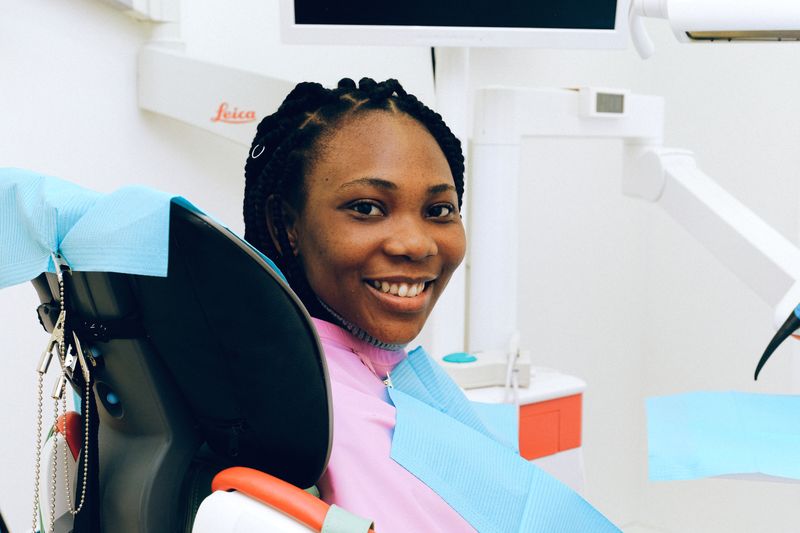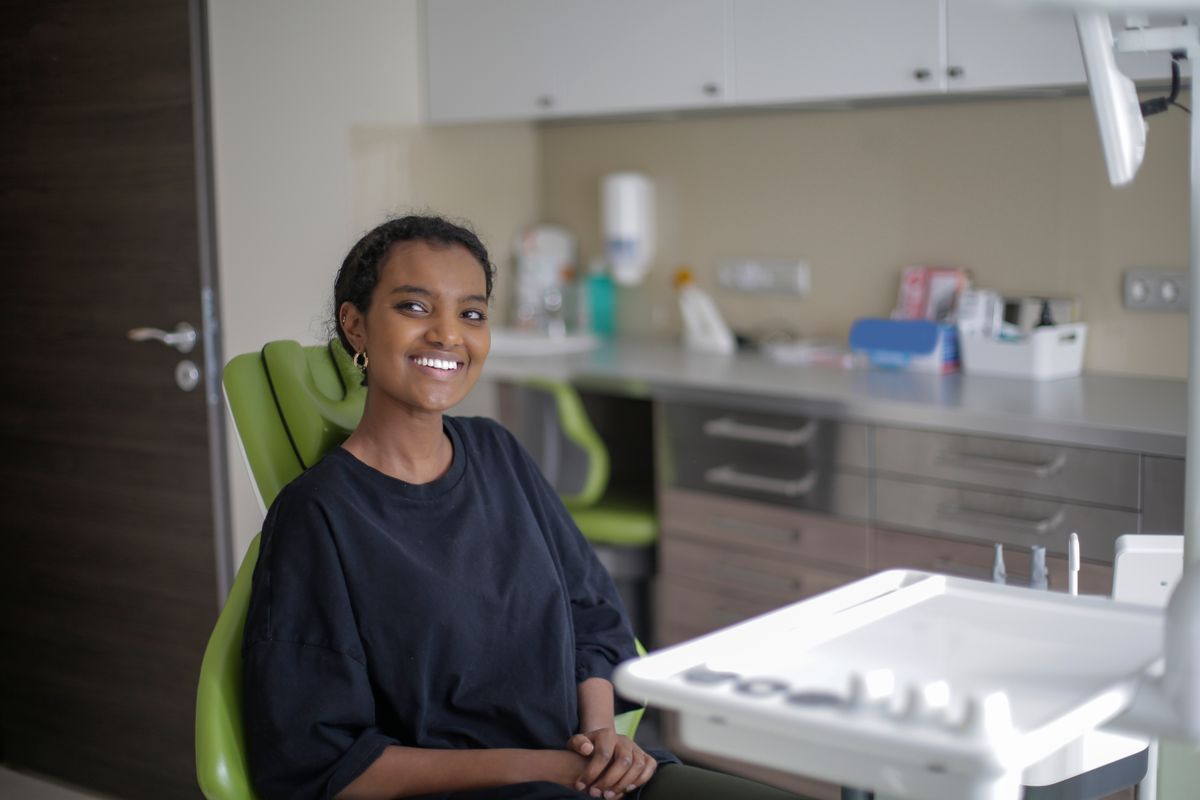
A community health center will see you whether or not you can pay. Federal rules require it: fees slide with your household income, patients at or below the poverty line pay little or nothing, and no one can be denied care for inability to pay. These clinics served 32.7 million people in 2025, including nearly 5.5 million Black patients, and the care goes far beyond a checkup: dental visits, therapy, prenatal care, labs, and discounted prescriptions under one roof.
What a community health center is
A community health center, formally a Federally Qualified Health Center (FQHC), is a local nonprofit clinic funded by the federal Health Resources and Services Administration (HRSA). HRSA's own definition is blunt: health centers must "serve everyone, even if they cannot pay," and must adjust their fees based on income and family size. A majority of every center's governing board must be patients of that center, so the clinic answers to the people it treats.
These are full-service practices, not stripped-down charity care. HRSA requires a full range of services, and centers staff doctors, dentists, therapists, social workers, eye doctors, OB/GYNs, pediatricians, and case managers. About 90 percent of health center patients have incomes under twice the federal poverty level, and in 2025 at least 15.3 million patients lived at or below the poverty line itself. In HRSA's 2025 national data, 1,356 health center organizations reported from every part of the country.
How the sliding fee scale works
Every health center publishes a sliding fee discount schedule tied to the federal poverty guidelines. Federal regulation sets the frame: patients at or below 100 percent of the poverty line get a full discount, though a center may charge a small flat "nominal" fee. Between 100 and 200 percent of the line, fees step down by income band. Above 200 percent you pay the center's regular rate, which is set to cover the center's costs of operation.
For 2026, the poverty line is $15,960 a year for one person and $33,000 for a family of four in the 48 contiguous states. Double those numbers for the discount cutoff: a single adult earning under $31,920, or a family of four under $66,000, qualifies for a reduced fee.
Applying is a front-desk task, not a benefits maze. Call the center and ask two questions: "Do you have a sliding fee discount application?" (every HRSA-funded center does) and "What proof of income do you accept?" Bring proof of income and household size: a recent pay stub, last year's tax return, or a benefits letter. If you have no income to document, say so and ask about self-declaring. And the rule that matters most: by federal regulation, no one can be denied service because they cannot pay.
What is included (more than most people expect)
The service list is where health centers surprise people. In 2025, nearly 7 million health center patients received dental care and more than 3 million received mental health care, on the same sliding scale as medical visits. About 600,000 patients got prenatal care. Centers also run labs, immunizations, and vision services, and a physical for work, school, or sports is an ordinary primary care visit here. If a dental bill is the thing you have been putting off, start with our guide to getting dental care without insurance.
Whatever brought you to this page, community health centers see patients regardless of insurance and charge on a sliding scale that is often $0. Our directory of free and charitable clinics lists centers by state. A same-day telehealth visit is self-pay and is not billed to Medicaid, so if you have Medicaid the clinic route will usually cost less. If you would rather see a clinician online today:

See a doctor online today.
- Same-day video visits from $34
- Price shown before you book
- No insurance needed
 with Sesame Care
Affiliate link, we may earn a commission at no extra cost to you.
Many centers also have on-site pharmacies that provide discounted prescription drugs through the federal 340B program: drug manufacturers that participate in Medicaid must sell outpatient medications to safety-net providers, health centers included, at significantly reduced prices. Centers can also offer patient support services, including help with transportation when getting to the clinic is the barrier.
Health center, free clinic, health department, or urgent care?
Community health center (FQHC). Comprehensive primary care on a sliding fee, with dental and behavioral health at many sites. Takes Medicaid, Medicare, and private insurance, and sees the uninsured. Your best default for ongoing care, chronic conditions, and anything that needs follow-up.
Free or charitable clinic. About 1,400 of these operate nationwide on donations and volunteers, with little to no government funding; they are not FQHCs. Care is free or low cost, but hours, services, and eligibility vary clinic by clinic, with a focus on uninsured and underinsured patients. Excellent when you qualify; check the National Association of Free and Charitable Clinics directory for the rules near you.
Health department clinic. Run by your city or county public health department. Strongest for immunizations, STI testing and treatment, and TB testing, with many services free or low cost. CDC's GetTested directory lists STI testing sites near you, including no-cost options.
Urgent care. A private business built for same-day minor problems. Without insurance you pay the posted rate, and nothing requires an urgent care center to adjust its fees to your income. If the problem is not an emergency and can wait a day, call a health center and ask for a same-day sick visit; the sliding fee applies there.
Built for the coverage gaps that hit Black communities hardest
This system exists because coverage does not reach everyone, and the gaps land hard on Black communities. In 2024, 10.5 percent of Black adults ages 18 to 64 had no health insurance, per CDC's National Health Interview Survey. In states that never expanded Medicaid, an adult can earn too much for Medicaid and too little for marketplace subsidies; HealthCare.gov's guidance for that situation says you "may have fewer options for coverage." A health center does not care which side of that line you fall on. If your Medicaid was cut off at renewal, our guide to Medicaid renewal and redetermination walks through getting it back, and a health center will see you in the meantime.
Pharmacy access shows the same pattern. A 2024 national study counted 15.8 million Americans living in pharmacy deserts and found that those communities hold more residents without insurance and more residents of color; earlier research documented the same shortage concentrated in Chicago's predominantly Black and Hispanic neighborhoods. A health center with a 340B pharmacy on site puts the prescription and the prescriber back in the same building.
How to find a community health center near you
Search community health centers near you in our directory: more than 14,000 locations, browsable by state and city, with sliding-scale details listed. HRSA's official Find a Health Center tool is the federal source and searches by address or ZIP code. Before you go, call and ask for the sliding fee application and the income documents they accept. And if who treats you matters as much as what it costs, find a Black clinician in our provider directory.
Frequently asked questions
Can I go to a community health center without insurance? ▼
Yes. Federally funded health centers must see you regardless of insurance status, and federal regulation bars them from denying service because you cannot pay. Your fee is set by household income and size on the center's sliding fee schedule.
How much does a sliding scale clinic visit cost? ▼
It depends on your income. At or below the federal poverty line ($15,960 for one person, $33,000 for a family of four in 2026), the visit is fully discounted, though some centers charge a small flat fee. Between one and two times the poverty line, fees step down by income band. Each center posts its own schedule, so call and ask before your visit.
What is the difference between a free clinic and a community health center? ▼
A community health center is federally funded, offers comprehensive primary care, bills insurance, and slides fees by income. A free or charitable clinic receives little to no government funding, runs on donations and volunteers, and focuses on uninsured and underinsured patients at little or no charge. About 1,400 free and charitable clinics operate nationwide, alongside the 1,356 federally funded health center organizations in HRSA's 2025 data.
Do community health centers offer dental and mental health care? ▼
Yes, on the same sliding fee scale. In 2025, nearly 7 million health center patients received dental care and more than 3 million received mental health care, per HRSA's national data. Availability varies by site, so ask when you call; some organizations offer dental and behavioral health at select locations.
What proof of income do I need for a sliding fee scale? ▼
Centers set their own documentation lists. A recent pay stub, last year's tax return, or a benefits award letter is the usual ask, plus your household size. If you have no income to document, say so and ask about self-declaring. You cannot be turned away while the paperwork gets sorted.
Can I get a free physical at a community health center? ▼
A physical for work, school, or sports is a routine primary care visit at a health center, billed on the same sliding fee scale. If your income is at or below the poverty line, the visit is fully discounted, which can make it free or nearly free. Call the center, say which form you need signed, and ask for the sliding fee application in the same call.