You have been caring for a wound for weeks. You change the dressing, follow every instruction, and wait. But the wound looks the same. Maybe it even looks worse.
If that sounds familiar, you are not doing anything wrong. Some wounds need more than a fresh bandage. They need a closer look at why they are not healing.
Start here
- If a wound is not getting better, call your healthcare professional and ask for a wound assessment. Please do not keep changing the bandage and hoping for the best.
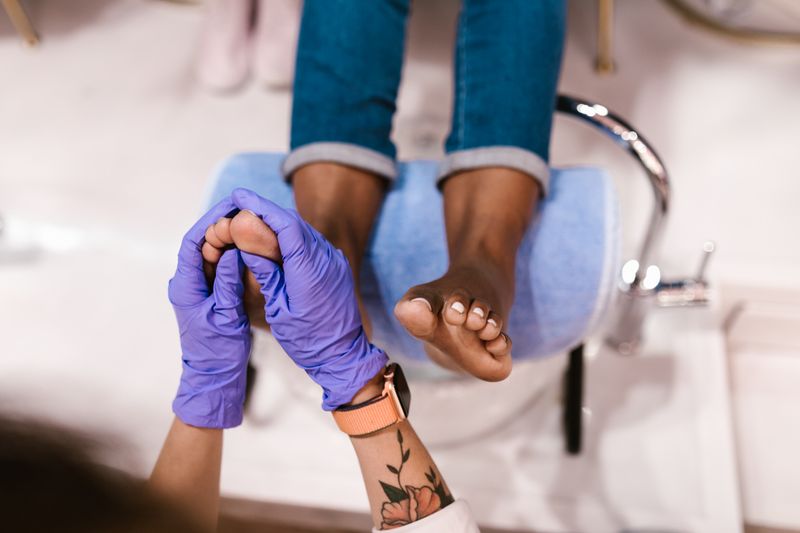
- If you have diabetes and notice a new sore, blister, cut, or color change on your foot, call your doctor or foot specialist right away. Do not wait for your next routine visit. [1,2]
- Get emergency care if a wound comes with confusion, fever or shivering, extreme pain, or a racing heartbeat. These can be signs of sepsis, the body’s extreme reaction to an infection. [3]
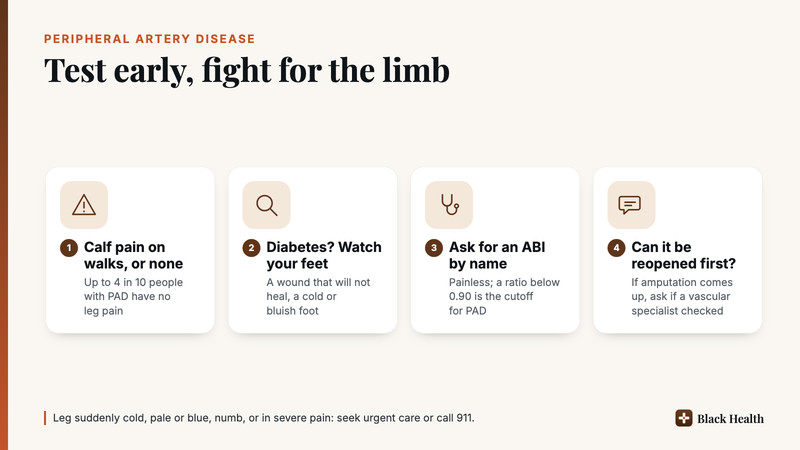
- Get emergency care for a foot or leg that suddenly turns cold, pale, and very painful. [4]
Why this matters during National Diabetes Month: Black adults with diabetes are 30% more likely than White adults with diabetes to have a toe, foot, or leg amputation. [2] The CDC describes this gap as a health inequity tied to unequal opportunities, not a personal failing. Early attention protects your feet.
Weight Care is a BlackHealth program. We have a financial interest in it.
BlackHealth Weight Care
A program for adults that pairs you with a licensed clinician, opening state by state.
Join the waitlist for your state.
Get startedFive warning signs to watch for
1. Your wound is not getting smaller
What to do: Keep a simple record of the wound’s size, color, drainage, and how it feels. Tell them when you see no progress, especially if you have diabetes or circulation problems.
Wounds heal at different speeds depending on the cause, the location, and your overall health. But a wound that stays the same, grows, or shows new areas of damaged tissue needs a fresh look.
Sometimes the problem is not the dressing at all. Diabetes can damage nerves and reduce blood flow to the feet. [1] Narrowed arteries in the legs can also cause sores on the toes, feet, or legs that heal slowly or not at all. [5]
2. Redness, swelling, warmth, or pain is getting worse
What to do: Call your healthcare professional promptly. Please do not start leftover antibiotics or pile on creams without guidance.
Some redness is normal. But redness or swelling that spreads beyond the wound, new warmth, increasing pain, or a fever can point to infection. [6]
Here is something that surprises many people: most leg ulcers have bacteria on them, yet only a few are truly infected. When a leg ulcer is not infected, antibiotics do not help it heal. [6]
3. The wound closes, then opens again
What to do: Ask your care team, “What keeps causing this wound to come back?”
It is discouraging to watch a wound seem to heal, only to break down again weeks later. When that happens, the cause usually has not been fully addressed.
With diabetic foot ulcers, pressure on the bottom of the foot is a major cause. Taking pressure off the area, called offloading, is one of the most important parts of treatment. [7] Pressure injuries also need repositioning and pressure relief, not just dressings. [8]
If you or someone with you has warning signs right now, call 911 or go to the nearest emergency department. Do not wait for an appointment and do not use a video visit for this. Emergency rooms must treat you regardless of insurance or ability to pay under EMTALA. For follow-up care afterwards, our directory of free and charitable clinics lists centers by state, and a same-day telehealth visit is not billed to Medicaid:
 Sesame Care
See a doctor online today.
Same-day video visits from $34
See a clinician todayThe goal is skin that closes and stays closed.
4. Your skin color, temperature, or feeling changes
What to do: If you have diabetes, check your feet every day, including the soles and between your toes. Use a mirror or ask someone you trust if you cannot see them well. [1,2] Report new numbness, tingling, burning, color changes, or a foot that feels colder than the other. [2,5]
Your skin offers early clues about your nerves and circulation. Diabetes can make it harder to feel pain, heat, or cold in your feet, so a blister or cut can form without hurting. [1] Poor circulation can make a foot or leg look pale, discolored, or blue. [5]
Please remember: a wound does not have to hurt to be serious.
5. The wound is changing your daily life
What to do: Tell your care team how the wound affects your sleep, comfort, movement, and daily routine. These details help shape your plan.
Sometimes the most important warning sign is not on the wound at all. Maybe drainage keeps you home from family gatherings. Maybe discomfort keeps you up at night, or you worry about odor from the dressing.
Those concerns matter. Good wound care treats the whole person, not only the wound. You deserve to understand your options and to have a voice in your care.
Support healing from the inside
What to do: If you have diabetes, check your blood sugar as your care team recommends, and bring your readings to your wound visits. Ask a dietitian to help you plan meals that fit both your diabetes and your healing.
Managing your blood sugar helps keep your feet healthy, and healthy eating is part of how you get there. [2,9] Your body also needs enough calories and protein to rebuild skin, and poor nutrition is linked to pressure injuries and slower healing. [10] If your appetite is low or you are losing weight without trying, tell your care team.
What happens at a specialized wound care visit?
Specialized wound care is not just a stronger dressing or a pricier product. It starts with one question: why did this wound develop, and what is keeping it from healing?
Depending on your situation, a full evaluation may include:
- A review of your health history, medications, and past wound treatments
- A close look at the wound and the skin around it
- Checks of your circulation, feeling, swelling, and pressure points
- A look for signs of infection
- A treatment plan built around the cause of the wound
Treatment may include the right dressing, pressure relief [7,8], compression for leg ulcers caused by vein problems when it is safe for you [11], careful removal of dead tissue when appropriate [12], or a referral to another specialist. Not every wound needs every treatment.
Three questions to bring to your next appointment
- What is causing my wound, and what might be keeping it from healing?
- How will we know whether the treatment is working?
- When should I be referred for specialized wound care or more testing?
The bottom line
You do not have to wait until a wound is deep, painful, or infected to ask for help. If a wound is not improving, keeps reopening, or changes in a way that worries you, speak up.
And if you are caring for someone you love, trust what you see. You may be the first person to notice that something has changed.
Healing begins with understanding the wound, noticing the warning signs, and getting the right care at the right time.
For professional wound care advice, seek your local wound care professional.
This article is general health education and is not a substitute for individualized medical evaluation or treatment.