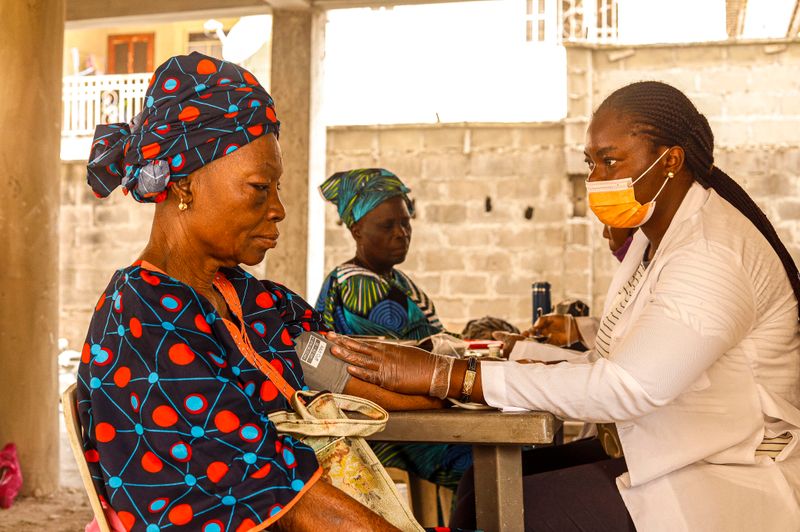
An aortic aneurysm is a weak, ballooning section of the aorta, the main artery that carries blood from your heart down through your chest and belly. When the wall stretches thin enough, it can tear or burst. A ruptured aortic aneurysm kills most people who have one before they reach an operating room. The disease is almost completely silent until that moment, which is why the people most at risk, older men who smoke or smoked and men with uncontrolled high blood pressure, often have no idea anything is wrong. Aortic aneurysms and aortic dissections caused 9,904 deaths in the United States in 2019, and about 59% of those deaths were in men.
What an aortic aneurysm is, and why it stays hidden
The aorta is about the width of a garden hose where it leaves the heart. An aneurysm forms when part of the wall weakens and balloons outward. Most happen in the belly, below the kidneys, and are called abdominal aortic aneurysms (AAA). A smaller share form in the chest and are called thoracic aortic aneurysms. The danger is the same: as the bulge grows, the wall gets thinner and the pressure of every heartbeat pushes against it, until it tears.
Most aneurysms cause no symptoms at all while they grow. A person can carry one for years and feel completely normal. That is what makes it dangerous. By the time it announces itself with pain, it is often already leaking or rupturing. Mortality after rupture is roughly 80% to 90%, compared with single-digit mortality for a planned, scheduled repair. The whole game is finding it before it bursts.
The risk drivers, and the Black-men angle
Four things drive most aortic aneurysms: smoking, high blood pressure, older age, and being male. The first two are the ones you can change, and both land hard in Black communities.
Smoking is the number one modifiable cause. In a meta-analysis of prospective studies, current smokers had nearly five times the risk of an abdominal aortic aneurysm, and people who had ever smoked had more than three times the risk, compared with never-smokers. Menthol cigarettes were marketed aggressively to Black smokers for decades, which is one reason quitting can be harder and matters more here. If you are working on quitting, our guide to quitting menthol cigarettes walks through what actually helps.
Uncontrolled high blood pressure stretches the aortic wall with every beat and speeds aneurysm growth. About 58% of Black adults have high blood pressure, one of the highest rates of any group in the country, and it tends to start younger and run more severe. That makes blood-pressure control a frontline defense against aneurysm growth and rupture. Our guide to high blood pressure in Black men covers how to get a number you can trust and how to bring it down.
Then there are the disparities in care, and they are well documented. When Black patients do get an aneurysm repaired, more of those repairs happen as emergencies rather than planned procedures. In one analysis of endovascular AAA repair, 29.8% of repairs in Black patients were done in a nonelective setting, compared with 20.2% in White patients, even though the aneurysm sizes were similar. Among people who arrive with a ruptured aneurysm, Black patients are less likely to be transferred to a hospital that can fix it (49% versus 62%) and more likely to be turned down for repair (37% versus 28%). An older study found Black patients had a 36% higher risk-adjusted death rate after aneurysm repair, with about a quarter of that gap traced to receiving care at lower-quality hospitals.
Whatever brought you to this page, community health centers see patients regardless of insurance and charge on a sliding scale that is often $0. Our directory of free and charitable clinics lists centers by state. A same-day telehealth visit is self-pay and is not billed to Medicaid, so if you have Medicaid the clinic route will usually cost less. If you would rather see a clinician online today:

See a doctor online today.
- Same-day video visits from $34
- Price shown before you book
- No insurance needed
 with Sesame Care
Affiliate link, we may earn a commission at no extra cost to you.
Symptoms: usually none, until it is an emergency
Most aortic aneurysms produce no symptoms. When an abdominal aneurysm does cause something, it can feel like a pulsing or throbbing sensation deep in the belly, or a steady deep pain in the belly, the side, or the lower back. A thoracic aneurysm in the chest can cause back or chest pain, shortness of breath, a cough, or trouble swallowing. None of these are reliable. The only dependable way to know you have one is a scan.
A rupture is different. It comes on fast and it is unmistakable in its severity: sudden, intense pain in the belly or back, lightheadedness or fainting, clammy skin, and a racing pulse as blood pressure drops. This is a call-911 emergency, not a wait-and-see.
Screening: the one-time ultrasound to ask about
The U.S. Preventive Services Task Force recommends a one-time ultrasound screening for abdominal aortic aneurysm in men aged 65 to 75 who have ever smoked (at least 100 cigarettes in a lifetime). It is a B-grade recommendation, which means most insurance plans cover it with no copay. The scan is painless, takes a few minutes, and uses the same kind of ultrasound used in pregnancy. Catching an aneurysm early lets a surgeon plan a repair on a calm day instead of fighting a rupture in the ER.
Here is why Black men should raise it themselves: screening and timely repair gaps mean the system does not always offer it. If you are a man 65 to 75 who has ever smoked, ask your doctor directly: "Should I get a one-time ultrasound to check for an abdominal aortic aneurysm?" If you smoked heavily, have a family history of aneurysm, or have hard-to-control blood pressure, raise it even if you fall outside that exact window and ask whether screening makes sense for you.
How it is diagnosed and treated
Diagnosis starts with an ultrasound, which measures the aorta's diameter. If an aneurysm is found, or if more detail is needed before surgery, a CT scan maps its exact size and shape. Size drives the plan.
Small aneurysms are usually watched, not cut. The plan is regular ultrasounds to track growth, plus aggressive control of the things that make it grow: quitting smoking and getting blood pressure to goal, often with a statin added. Large or fast-growing aneurysms get repaired before they rupture. Repair is done two ways: open surgery to replace the weak segment with a graft, or endovascular repair (EVAR), where a stent-graft is threaded up through an artery in the groin to reline the aorta from inside. A vascular surgeon decides which fits your anatomy and health.
Prevention and how to get care
Three moves lower your risk and slow any aneurysm you already have. Quit smoking. It is the single most powerful thing you can do, and the benefit starts as soon as you stop. Get your blood pressure to goal and keep it there. Ask about the one-time ultrasound if you are a man 65 to 75 who ever smoked. A statin and treating high cholesterol help the underlying artery disease too.
A clinician who takes your blood pressure, your smoking history, and your questions seriously is the one who orders the scan that finds an aneurysm in time. You can find a Black primary care doctor or cardiologist in our directory and bring the screening question to your first visit.
Frequently asked questions
Are Black men at higher risk for an aortic aneurysm? ▼
The dominant risk drivers, smoking, high blood pressure, older age, and male sex, are common in Black men, and about 58% of Black adults have high blood pressure. Black patients also face documented gaps: aneurysm repairs are more often done as emergencies, and people with ruptures are less likely to be transferred or accepted for repair. The fixable risks are smoking and blood pressure.
What does an aortic aneurysm feel like? ▼
Usually nothing. Most aneurysms are silent until they leak or rupture. Some people feel a pulsing sensation in the belly or a deep, steady pain in the belly, side, or back. A rupture causes sudden, severe belly or back pain with dizziness or fainting and is a 911 emergency.
Who should get screened for an abdominal aortic aneurysm? ▼
The USPSTF recommends a one-time ultrasound for men aged 65 to 75 who have ever smoked at least 100 cigarettes in their lifetime. If you smoked heavily, have a family history of aneurysm, or have hard-to-control blood pressure, ask your doctor whether screening makes sense for you even outside that window.
Can an aortic aneurysm be cured without surgery? ▼
Small aneurysms are not cured, but they are managed with watchful waiting: regular ultrasounds plus quitting smoking and controlling blood pressure to slow growth. Large or fast-growing aneurysms are repaired with open surgery or a stent-graft (endovascular repair) before they rupture.
How dangerous is a ruptured aortic aneurysm? ▼
Very. Roughly 80% to 90% of people who have a rupture die from it, compared with single-digit mortality for a planned repair. That is the whole reason screening and blood-pressure control matter: a calm, scheduled repair is far safer than an emergency one.