Heart disease is the number one killer of Black women
Heart disease kills more women than any other cause. In 2023 it was behind 304,970 deaths among women in the United States, about 1 in every 5 female deaths (CDC). Black women carry the heaviest share of that burden. The American Heart Association reports that roughly 59% of Black women age 20 and older already live with some form of cardiovascular disease, and Black women are more likely to die of heart disease at younger ages than white women.
Younger onset is part of what makes this dangerous. In a study of people who had a heart attack between ages 45 and 65, Black patients had more than double the risk of a repeat heart attack, stroke, heart failure hospitalization, or cardiac death over the next five years (Garcia et al, Journal of the American Heart Association, 2021). Most of that gap traced to income and other social conditions rather than biology, and lower income alone explained 46% of the disparity. The point is not that Black women are doomed by their genes. It is that the heart attack arrives earlier and the road afterward is harder, so recognizing it fast matters more.
The symptom picture is bigger than chest pain
The most common heart attack symptom in women, as in men, is still chest pain or pressure. But women are more likely than men to have a heart attack with little or no chest pain at all, which is exactly why these events get missed. The American Heart Association lists the full picture of warning signs in women:
- Chest discomfort: pressure, squeezing, fullness, or pain in the center of the chest that lasts more than a few minutes or comes and goes.
- Shortness of breath, with or without chest discomfort, including feeling winded by activity that never used to wind you.
- Pain or pressure in the jaw, neck, throat, back, or one or both arms. Some women describe upper-back pressure like a rope being tied around them.
- Nausea, vomiting, or an upset stomach.
- Unusual or extreme fatigue, sometimes for days beforehand.
- Lightheadedness, dizziness, or a cold sweat.
These signs are easy to explain away. Jaw or neck pain reads as a dental or muscle problem. Nausea and fatigue read as a stomach bug or a hard week. Shortness of breath reads as being out of shape. When the textbook chest grab does not happen, women, and the people around them, talk themselves out of calling for help. That delay is the threat.
The risk factors hitting Black women hardest
The conditions that damage the heart cluster in Black women at high rates. Black women have the highest prevalence of high blood pressure of any group, and only about 25% of Black women with high blood pressure have it controlled (American Heart Association). High blood pressure is the single biggest modifiable driver of heart disease, and uncontrolled pressure quietly strains the heart and arteries for years. Almost 57% of Black women have obesity, the highest rate among all racial, ethnic, and sex groups, and Black women are more likely to have undiagnosed diabetes. Smoking compounds every one of these.
If you or someone with you has warning signs right now, call 911 or go to the nearest emergency department. Do not wait for an appointment and do not use a video visit for this. Emergency rooms must treat you regardless of insurance or ability to pay under EMTALA. For follow-up care afterwards, our directory of free and charitable clinics lists centers by state, and a same-day telehealth visit is not billed to Medicaid:

See a doctor online today.
- Same-day video visits from $34
- Price shown before you book
- No insurance needed
 with Sesame Care
Affiliate link, we may earn a commission at no extra cost to you.
One risk factor specific to women is often overlooked: a history of preeclampsia, the high-blood-pressure complication of pregnancy. Women who had preeclampsia in a single pregnancy were about twice as likely to develop heart failure later in life, and women who had it in more than one pregnancy were about four times as likely, in a study of more than half a million Norwegian women (American Heart Association). Preeclampsia is more common in Black women, so a pregnancy that ended years ago can be a flag for heart risk today. If you had preeclampsia, tell your clinician and treat it as part of your cardiac history. Our guide to high blood pressure in Black communities covers the numbers worth knowing.
The stress of racism is itself measurable here. In the Black Women's Health Study, which followed roughly 48,000 women for 22 years, those who reported experiencing racism across employment, housing, and interactions with police had a 26% higher risk of coronary heart disease (Sheehy et al, Circulation). Chronic stress is not a soft factor. It shows up in the arteries.
Being dismissed costs lives
Recognizing the symptoms is only half the battle, because the system does not always respond fast when a woman does come in. In an analysis of nearly 30 million emergency-room visits for chest pain among adults ages 18 to 55, women waited 11 minutes longer than men to be evaluated (48 versus 37 minutes), and women of races other than white waited longest of all, about 58 minutes (Banco et al, Journal of the American Heart Association, 2022). Women were also less likely to be admitted: 12.4% of women versus 17.9% of men. In a heart attack, minutes of blocked blood flow mean permanent loss of heart muscle, so a longer wait is not a minor inconvenience.
Black women sit at the intersection of two documented biases: women's cardiac symptoms get attributed to anxiety or stomach trouble, and Black patients' pain gets undertreated. Knowing this changes how you advocate. If you believe you are having a heart attack, say the words out loud: "I think I am having a heart attack." Ask directly for an electrocardiogram (ECG) and a troponin blood test, the two checks that catch a heart attack. You are allowed to insist.
Prevention starts with knowing your numbers
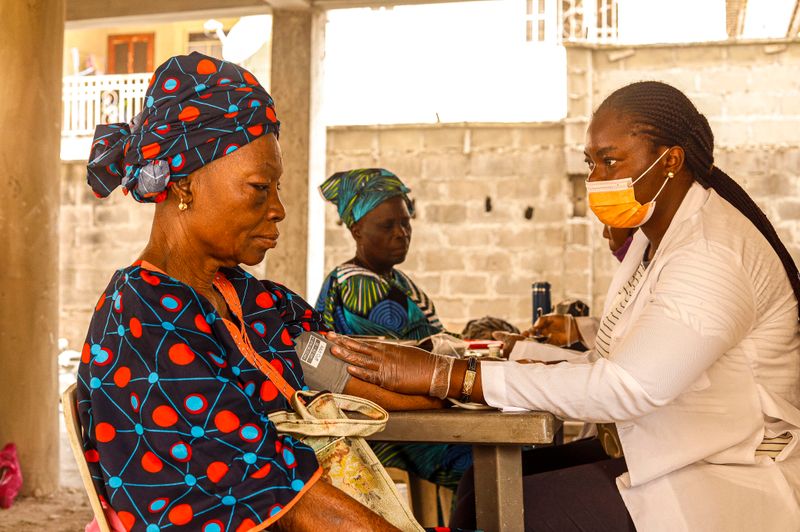
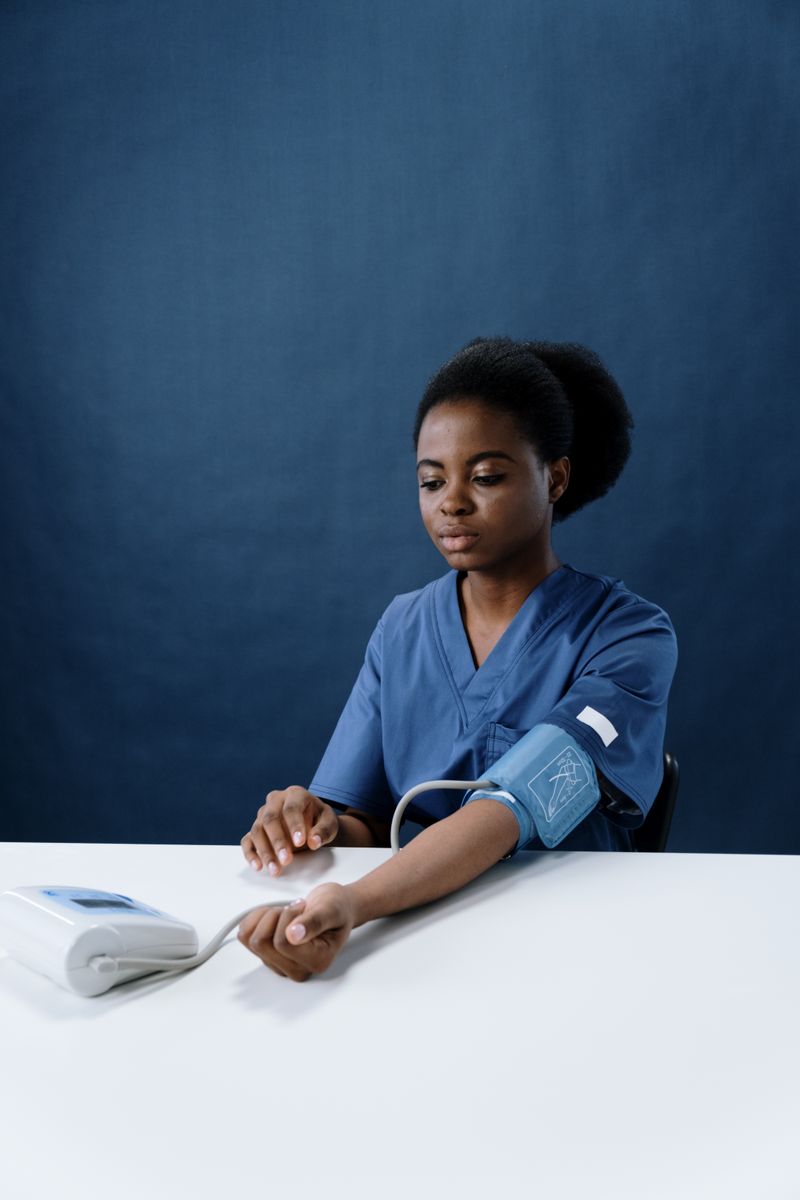
Most heart attacks are the end of a long, silent process you can interrupt. Know four numbers and where you stand on each: blood pressure (target generally below 130/80), blood sugar or A1C, cholesterol, and body weight. Get blood pressure checked at every visit and at home if you have a cuff, because high blood pressure has no symptoms until it has already done damage. If you smoke, quitting is the highest-yield single change you can make for your heart. If you had preeclampsia or gestational diabetes, those belong in every future visit. None of this requires a symptom to start. The screening is the prevention.
How to get care
Find a clinician who runs your numbers, takes your history seriously, and does not wave off symptoms. At your next visit, ask for your blood pressure, A1C, and cholesterol results in plain terms, share any preeclampsia or family heart-disease history, and ask what your personal risk looks like. If something has felt off, say so directly and ask whether your heart has been ruled out. Find a Black cardiologist or primary care clinician in our directory to start with someone who listens. For an overview of related risk, see our guide to cholesterol and statins in Black patients.
Frequently asked questions
Can you have a heart attack without chest pain? ▼
Yes. Chest pain or pressure is still the most common symptom, but women are more likely than men to have a heart attack with little or no chest pain. Warning signs can instead be shortness of breath, pain in the jaw, neck, back, or arm, nausea, a cold sweat, lightheadedness, or sudden unusual fatigue. If you have these symptoms without a clear explanation, call 911 and let the ER rule out your heart.
Why is heart disease worse for Black women? ▼
Several forces stack. High blood pressure, diabetes, and obesity are more common in Black women, and only about 1 in 4 Black women with high blood pressure has it controlled. Heart disease also tends to start younger, and after a midlife heart attack Black women face roughly double the five-year death rate of white women. Access gaps and the stress of racism add measurable risk on top. About 59% of Black women age 20 and over already have some form of cardiovascular disease.
Should I take aspirin if I think I'm having a heart attack? ▼
Call 911 first, and do not take aspirin on your own before you call. The American Heart Association now advises that the 911 dispatcher decide whether aspirin is appropriate, because they will confirm you are not allergic and not having a condition aspirin would make worse. If the operator recommends it, chewing the aspirin gets it into your blood faster. Never delay calling 911 to find or take aspirin.
Does a history of preeclampsia raise my heart attack risk? ▼
Yes. Preeclampsia, the high-blood-pressure complication of pregnancy, is linked to higher lifetime cardiovascular risk. Women who had preeclampsia in one pregnancy were about twice as likely to develop heart failure later, and those who had it in more than one pregnancy about four times as likely. Preeclampsia is more common in Black women, so a past pregnancy complication belongs in your heart-health history, even years later.
What should I do if the ER does not take my symptoms seriously? ▼
Be specific and persistent. Say "I think I am having a heart attack," and ask directly for an electrocardiogram (ECG) and a troponin blood test, the two checks that detect a heart attack. Research shows women and Black adults wait longer to be evaluated for chest pain, so clear, direct words help. Bring someone with you if you can, and do not leave until your heart has been ruled out.
What numbers should I track to lower my risk? ▼
Four. Blood pressure (generally aim below 130/80), blood sugar or A1C, cholesterol, and body weight. Get blood pressure checked at every visit, since it has no symptoms until damage is done. Add any history of preeclampsia, gestational diabetes, or family heart disease. Quitting smoking is the single highest-impact change for most people. You do not need symptoms to start; screening is the prevention.