Preeclampsia is a pregnancy complication marked by new high blood pressure plus evidence that organs are under strain, usually the kidneys, liver, blood, or brain. It typically begins after 20 weeks of pregnancy and can appear or worsen in the first days and weeks after birth. Left unchecked it can progress to seizures (eclampsia), stroke, organ failure, and death. The reason it kills is that the early signs hide inside the normal aches of late pregnancy and early motherhood, and the people who report them are too often not believed.
Why preeclampsia hits Black women harder
The numbers are not close. Preeclampsia occurs in about 6.0% of pregnancies in Black women compared with about 3.8% in white women, roughly a 60% higher rate (Johnson and Louis, Obstetrics & Gynecology, 2022). The gap in who dies is wider. In one analysis the risk of death tied to preeclampsia was 121.8 per 100,000 deliveries for Black women versus 24.1 per 100,000 for non-Black women, about five times higher (Shahul et al, Hypertension in Pregnancy, 2015). Black women with preeclampsia are also more likely to suffer stroke, pulmonary edema, kidney failure, and cardiac complications.
This is why preeclampsia sits at the center of the Black maternal mortality gap. Hypertensive disorders of pregnancy, the category preeclampsia belongs to, affected more than 1 in 5 delivery hospitalizations among Black women, compared with about 1 in 8 among white women, and carried a higher death rate at delivery for Black patients (CDC MMWR, 2022). Black women die of pregnancy-related causes at roughly three times the rate of white women, and high blood pressure disorders are one of the largest contributors. For the wider picture, see our reporting on how the Black-white maternal mortality gap widened.
Genetics and a higher baseline rate of chronic hypertension play a role, but they are not the whole story. The CDC estimates that more than 80% of pregnancy-related deaths in the United States are preventable, and reviews of hypertension-related maternal deaths find missed or delayed treatment of severe high blood pressure as a recurring failure (CDC; Preeclampsia Foundation Racial Disparities Task Force, 2024). When a Black woman reports a symptom and is told it is normal, that delay is often the difference.
The warning signs that mean call now
Some preeclampsia is silent and shows up only as a high reading at a prenatal visit, which is why every visit includes a blood-pressure check. But certain symptoms are red flags. The CDC Hear Her campaign lists these as urgent maternal warning signs that should prompt you to seek care right away during pregnancy and in the year after delivery:
- A severe headache that will not go away or keeps getting worse, especially one that does not ease with the medicine your provider said you could take.
- Vision changes: blurred sight, flashing lights, spots, or temporary loss of vision.
- Pain in the upper-right belly or under the right ribs, sometimes felt in the right shoulder. This can signal liver involvement.
- Sudden swelling of the face or hands, or rapid weight gain over a day or two from fluid.
- Trouble breathing or shortness of breath.
- Chest pain or a fast-beating heart.
- Less movement from the baby than usual, in the third trimester.
If you or someone with you has warning signs right now, call 911 or go to the nearest emergency department. Do not wait for an appointment and do not use a video visit for this. Emergency rooms must treat you regardless of insurance or ability to pay under EMTALA. For follow-up care afterwards, our directory of free and charitable clinics lists centers by state, and a same-day telehealth visit is not billed to Medicaid:

See a doctor online today.
- Same-day video visits from $34
- Price shown before you book
- No insurance needed
 with Sesame Care
Affiliate link, we may earn a commission at no extra cost to you.
These do not all have to appear together, and you do not need to be certain it is preeclampsia. One severe, persistent symptom is reason enough to call your provider or labor and delivery, or to go in. Swelling of the feet and ankles is common and usually not dangerous on its own. Sudden swelling of the face and hands paired with a headache or vision changes is different, and it is worth a call.
It can strike after the baby comes
Preeclampsia is not over once you deliver. Postpartum preeclampsia can develop after a normal pregnancy and an uncomplicated birth, most often within the first 7 days home but up to 6 weeks later (Cleveland Clinic; ACOG). Many women who get it had no signs during pregnancy at all. This is the most dangerous window precisely because no one is taking your blood pressure anymore and your attention is on the newborn. The warning signs are the same: a pounding headache that will not quit, vision changes, upper-right belly pain, swelling, shortness of breath. Roughly one in three maternal deaths happens between one week and one year after birth, so a symptom that shows up at home is not a reason to wait until the six-week checkup. Our guide to postpartum warning signs every Black mother should know covers the full list.
Who is at higher risk, and the aspirin that helps
You are at higher risk for preeclampsia if you have had it before, are carrying twins or more, have chronic high blood pressure, type 1 or type 2 diabetes, kidney disease, or an autoimmune condition such as lupus or antiphospholipid syndrome. Moderate risk factors include a first pregnancy, age 35 or older, a body mass index over 30, a family history of preeclampsia, and being Black, which the US Preventive Services Task Force names as a risk factor because of the documented disparity in outcomes (USPSTF, 2021).
If you are at increased risk, there is a proven preventive step. The USPSTF recommends low-dose aspirin (81 mg a day) starting between 12 and 28 weeks of pregnancy, ideally before 16 weeks, and continued until delivery, for people at high risk for preeclampsia (USPSTF, 2021; ACOG, 2021). Trials including more than 20,000 pregnant people found that aspirin started before 16 weeks meaningfully lowered the odds of preeclampsia, severe preeclampsia, and growth restriction, without raising bleeding risk. It is inexpensive and widely available. The catch is that someone has to identify your risk and prescribe it early, which makes the first-trimester conversation worth having directly. Do not start aspirin in pregnancy on your own; ask your provider whether you qualify.
Why being believed is part of the treatment
The disparity is not only biological. Black women report having their symptoms dismissed, their pain underestimated, and their concerns explained away as anxiety or normal pregnancy. The CDC built the Hear Her campaign around this exact failure, urging clinicians, partners, and family to listen when a pregnant or postpartum woman says something is wrong (CDC). When the system is slow to act on your symptoms, clear and specific words help. Say the numbers out loud: "My headache is severe and not going away, and I am worried about preeclampsia. I want my blood pressure checked and a urine test now." Ask for the reading. If your blood pressure is 140/90 or higher, or 160/110 or higher, say you want it treated, not rechecked later. You are allowed to insist, to ask for a second opinion, and to go to labor and delivery if you are not being heard.
What treatment looks like
Delivery is the only cure for preeclampsia. Everything before it buys time and prevents catastrophe. For preeclampsia with severe features, the standard of care is magnesium sulfate given through an IV to prevent seizures, plus fast-acting blood-pressure medicine (labetalol, hydralazine, or oral nifedipine) to bring a dangerous reading down within an hour (ACOG; Merck Manual). The timing of delivery depends on how far along you are and how severe the disease is: at term, delivery is recommended; before 37 weeks without severe features, providers may monitor closely to let the baby's lungs mature; with severe features, HELLP syndrome, or eclampsia, delivery happens promptly regardless of dates. Magnesium typically continues for 24 hours after birth, because the postpartum period still carries seizure risk. Knowing this lets you ask the right questions: Is my blood pressure in the severe range? Am I on magnesium? When do you plan to deliver, and why?
How to get care
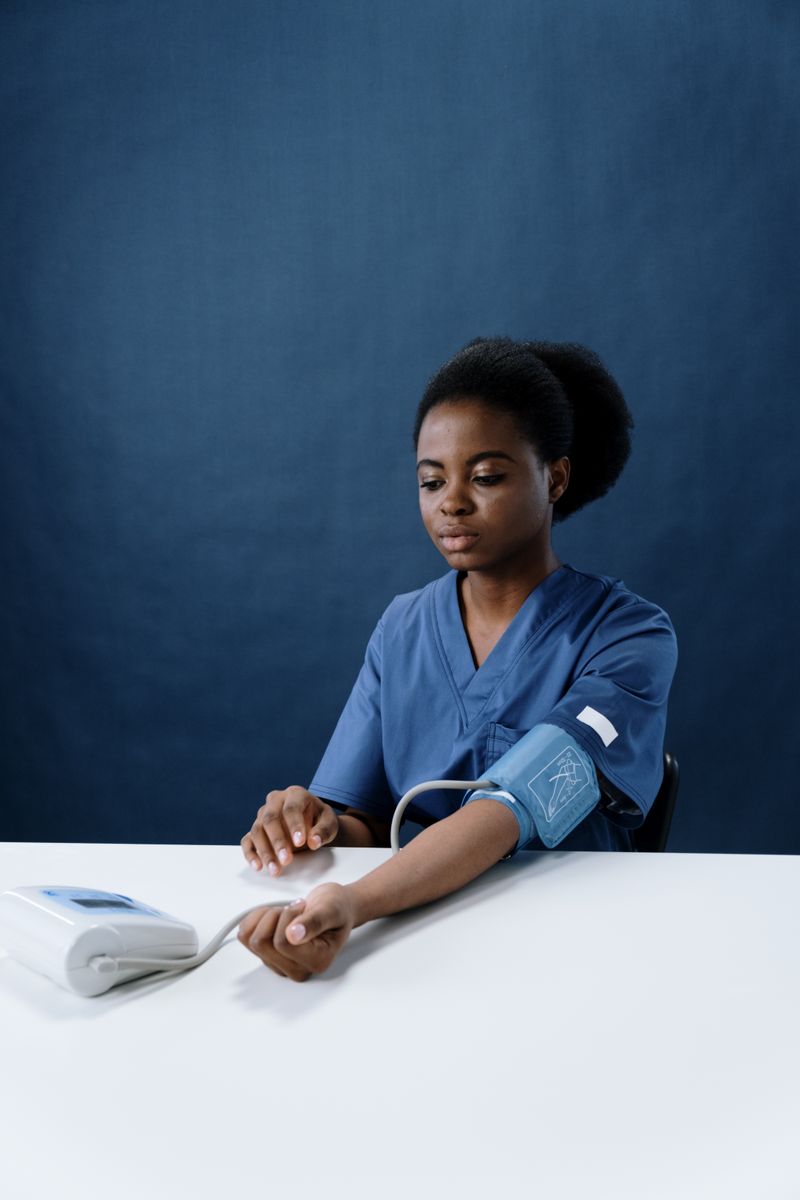
The strongest protection is a prenatal team that checks your blood pressure at every visit, screens you for aspirin in the first trimester, takes your symptoms seriously, and treats severe readings fast. If you have felt dismissed, you are allowed to change providers. Find a Black OB-GYN in our directory to start with a clinician who listens. Bring your history to the first visit: any past preeclampsia, chronic high blood pressure, diabetes, kidney disease, lupus, or family history, and ask directly whether you should be on low-dose aspirin and how your blood pressure will be watched after delivery. If you have a cuff at home, ask which readings should send you in.
Frequently asked questions
What are the first warning signs of preeclampsia? ▼
The most common early sign is high blood pressure caught at a prenatal visit, which is why every visit includes a check. Symptoms to act on include a severe or persistent headache, vision changes such as blurring or spots, pain in the upper-right belly or right shoulder, sudden swelling of the face or hands, rapid weight gain, and shortness of breath. One severe, lasting symptom is reason enough to call your provider or go in.
Why is preeclampsia more dangerous for Black women? ▼
Black women develop preeclampsia about 60% more often than white women and are about three times more likely to die from it. The reasons include higher rates of chronic high blood pressure, but also delayed treatment and the documented dismissal of Black women's symptoms. The CDC estimates more than 80% of pregnancy-related deaths are preventable, and missed treatment of severe high blood pressure is a recurring failure in the deaths that occur.
Can you get preeclampsia after giving birth? ▼
Yes. Postpartum preeclampsia can develop after a normal pregnancy and an uncomplicated delivery, most often within the first week home but up to 6 weeks after birth. Many women who get it had no signs during pregnancy. Watch for a severe headache, vision changes, upper-right belly pain, swelling, and shortness of breath, and do not wait for your six-week checkup if a symptom appears. Go in.
Does low-dose aspirin prevent preeclampsia? ▼
For people at higher risk, yes, it lowers the odds. The US Preventive Services Task Force recommends 81 mg of aspirin a day starting between 12 and 28 weeks, ideally before 16 weeks, and continued until delivery. Trials in more than 20,000 pregnant people found it reduced preeclampsia and severe preeclampsia without raising bleeding risk. Ask your provider in the first trimester whether you qualify. Do not start aspirin in pregnancy on your own.
What blood pressure reading is dangerous in pregnancy? ▼
A reading of 140/90 or higher on two occasions is the threshold for a hypertensive disorder of pregnancy and needs evaluation. A reading of 160/110 or higher is severe-range and is a medical emergency that should be treated within an hour with IV or oral medication. If you read 160/110 or higher on a home cuff, go in immediately rather than waiting to recheck.
Is delivery the only cure for preeclampsia? ▼
Yes. Delivery is the only definitive treatment. Until then, magnesium sulfate is given to prevent seizures and fast-acting blood-pressure medicine controls severe readings. The timing of delivery depends on how far along you are and how severe the disease is. At term, delivery is recommended. With severe features, HELLP syndrome, or eclampsia, delivery happens promptly. Magnesium usually continues for 24 hours after birth.