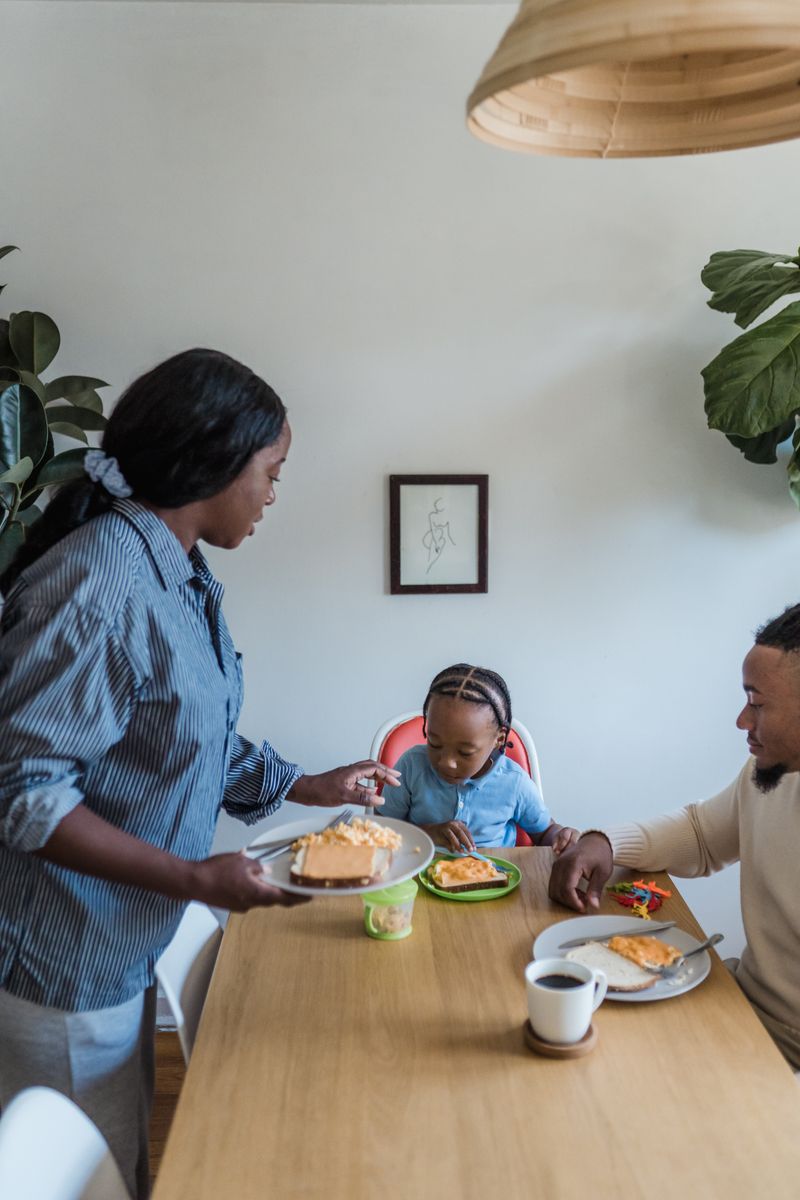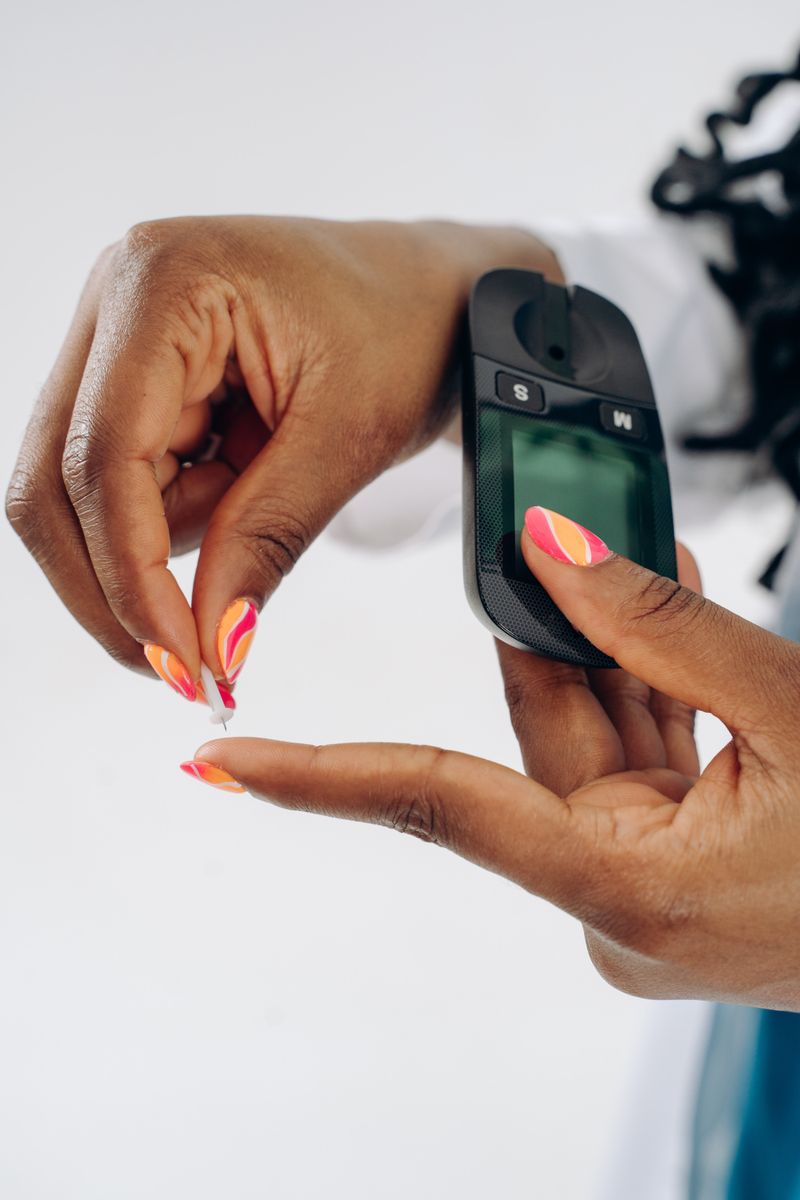
There is no safe level of lead in a child's blood. The American Academy of Pediatrics says so plainly, and the science is settled: even small amounts of lead damage the developing brain and the harm does not reverse. Black children are exposed at the highest rates in the United States, driven by where families have been forced to live, not by anything parents did or failed to do. The hardest part is that lead poisoning is silent. Most children with dangerous levels have no symptoms at all, which is exactly why a blood test, not a wait-and-see approach, is the only reliable way to find it.
Why lead is so dangerous to young children
Lead is a poison to the brain, and a child's brain is most vulnerable in the first years of life. The CDC and the AAP have concluded there is no identified threshold below which lead is safe. Lead exposure damages the brain and nervous system and produces developmental and growth delays, learning problems, trouble paying attention, and behavior and speech difficulties. The CDC notes that these effects can show up later, sometimes not until a child reaches school age, even though the exposure happened years earlier.
In 2021, the CDC lowered its blood lead reference value from 5 to 3.5 micrograms per deciliter. That number is not a safety line. It marks the top 2.5 percent of blood lead in U.S. children, the threshold at which a child should get prompt action to find and remove the source. A level under 3.5 is not proof a child is fine; it is a statistical cutoff that flags the most-exposed children for follow-up.
Most poisoned children show no symptoms
This is the part parents most need to hear: a child can have a harmful lead level and look and act perfectly healthy. The CDC states that most children exposed to lead do not appear sick. You cannot wait for signs, because the absence of symptoms means nothing.
When symptoms do appear, they are usually a sign of higher exposure and they are easy to mistake for something else. Watch for developmental delays, slipping or stalled learning, irritability, low appetite, fatigue, and belly pain. At very high levels lead can cause vomiting and seizures, which is a medical emergency. But the typical case has none of this, and that is precisely why the blood test exists.
Where the lead comes from
The biggest source in the United States is deteriorating lead-based paint and the dust it sheds, in homes built before 1978, when lead paint was banned for residential use. Chipping paint, friction surfaces like windows that scrape open and shut, and the fine dust that settles on floors and toys are how a crawling, hand-to-mouth toddler takes it in. Lead also shows up in contaminated soil, in some older water service lines and plumbing, and the Flint water crisis showed how fast a switch to corrosive water can pull lead from pipes into a city's taps.
Whatever brought you to this page, community health centers see patients regardless of insurance and charge on a sliding scale that is often $0. Our directory of free and charitable clinics lists centers by state. A same-day telehealth visit is self-pay and is not billed to Medicaid, so if you have Medicaid the clinic route will usually cost less. If you would rather see a clinician online today:

See a doctor online today.
- Same-day video visits from $34
- Price shown before you book
- No insurance needed
 with Sesame Care
Affiliate link, we may earn a commission at no extra cost to you.
Sources also reach beyond the house, which matters for immigrant and first-generation families. The CDC and FDA have documented lead in some imported spices, in traditional cosmetics such as kohl, kajal, and surma used around the eyes, in certain folk remedies, and in glazed or hand-made imported pottery. The FDA warns that these eye cosmetics can contain very high lead concentrations and are not safe regardless of the name on the package. You cannot see, smell, or taste lead in any of these products; only lab testing detects it.
This is environmental injustice, not a parenting failure
The disparity is real and it is measured. A national analysis of NHANES data found that Black children had 2.8 times higher odds of an elevated blood lead level than other children, and that among Black children in pre-1950 housing, roughly one in four had an elevated level. Black children are concentrated in older, substandard housing for a documented reason: redlining and decades of housing discrimination steered Black families into neighborhoods with the oldest, least-maintained homes and the most deteriorated lead paint. Researchers and child-health advocates describe childhood lead exposure as a textbook environmental-justice problem.
The takeaway is not that families are doing something wrong. It is that the exposure was built into the housing and the water decades before any child was born. That framing matters, because the fix is to find and remove the source, hold landlords and utilities accountable, and get children tested, not to blame parents for a hazard they did not create. Lead exposure compounds other pediatric burdens that fall harder on Black children, including ADHD that is under-recognized and under-treated and asthma tied to the same older, poorly maintained housing stock.
The blood lead test: ask for it
Because there are no reliable symptoms, a simple blood test is the only way to know. Children enrolled in Medicaid are required to be tested at ages 1 and 2, and the CDC notes any child between 2 and 6 with no record of a prior test should get a catch-up test. A federal review found that more than a third of Medicaid-enrolled children in five states did not receive the testing they were owed, so do not assume it happened automatically. Any child at risk, which includes any child living in or regularly visiting a home built before 1978, should be tested. If your pediatrician does not bring it up, ask directly: "Has my child had a blood lead test?"
What to do if a level comes back high
The first and most important step is to find and remove the source, because no medicine helps if the child keeps being exposed. Your local health department can arrange a home inspection to locate lead paint, dust, soil, or water sources, and many programs help with remediation. Nutrition is part of the plan: a diet adequate in iron, calcium, and vitamin C reduces how much lead the gut absorbs, and treating iron deficiency matters because iron-deficient children take in more lead. Children with confirmed elevated levels need repeat testing to track the trend and developmental follow-up to catch and address any delays early.
Chelation, the medication that binds lead so the body can clear it, is reserved for very high levels, generally a blood lead of 45 micrograms per deciliter or more. It is not used for the common lower-level exposures, because for those it has not been shown to prevent the developmental and behavioral effects, and the only proven action at lower levels is removing the source. Prevention is the whole game: wet-wipe floors and windowsills, wash hands and toys often, run tap water before drinking if you have older pipes, and know your tenant rights. Federal law requires landlords to disclose known lead hazards, and local lead programs can enforce remediation in rental housing.
How to get care
Start with a pediatrician who will test proactively and explain results in plain language. You can find a Black pediatrician or a clinician who serves Black families in our directory, then ask at the next visit whether your child has had a blood lead test and request one if not. If a level comes back high, ask for a referral to your local lead-poisoning prevention program for the home inspection and remediation help, which is often free.
Frequently asked questions
What blood lead level is dangerous for a child? ▼
There is no safe level. The CDC uses 3.5 micrograms per deciliter as a reference value to flag the most-exposed children for action, but the AAP is clear that lead harms the developing brain at levels below that too. Any detectable lead warrants finding and removing the source.
Why are Black children more likely to have lead poisoning? ▼
Not because of anything families do. Decades of redlining and housing discrimination concentrated Black families in older, poorly maintained housing with the most deteriorated lead paint, plus aging water systems. A national NHANES analysis found Black children had 2.8 times the odds of an elevated blood lead level. It is an environmental-justice problem.
Will I be able to tell if my child has lead poisoning? ▼
Usually not. Most children with elevated lead levels have no symptoms and appear healthy. That is why a blood test is the only reliable way to catch it, and why testing at ages 1 and 2 is required for children on Medicaid.
Besides paint, what else can expose a child to lead? ▼
Lead-contaminated dust and soil, some older water pipes and plumbing, and non-housing sources including certain imported spices, traditional eye cosmetics such as kohl, kajal, and surma, some folk remedies, and glazed imported pottery. You cannot detect lead in these products by sight, smell, or taste.
How is lead poisoning treated? ▼
The first step is always removing the source, since no treatment works if exposure continues. Nutrition with adequate iron, calcium, and vitamin C reduces absorption. Chelation medication is reserved for very high levels, generally 45 micrograms per deciliter or more, and is not used for lower-level exposures.