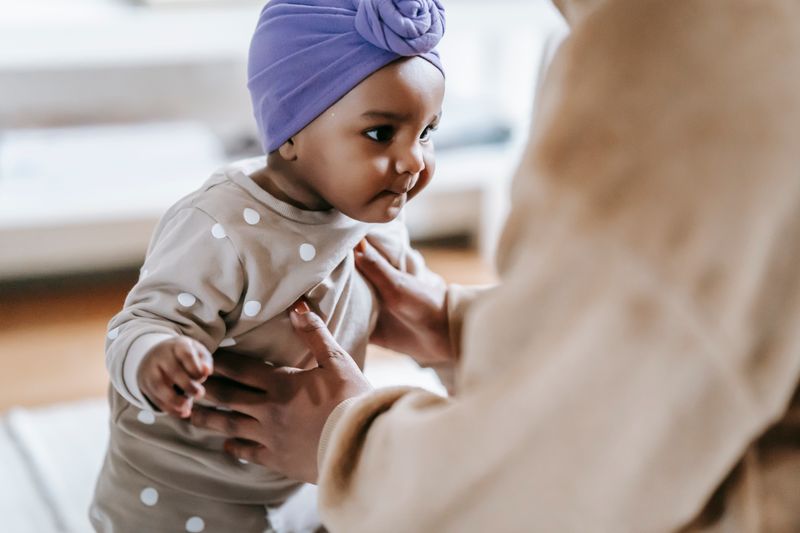
The HPV vaccine prevents cancer. It blocks the human papillomavirus types that cause most cervical, anal, throat, penile, vulvar, and vaginal cancers, plus genital warts. The CDC recommends it routinely at ages 11 or 12, and it can start as early as age 9. It works best when given before any exposure to the virus, which is the whole reason it is timed for the preteen years rather than later. For Black families, getting it on time matters downstream: cervical cancer is the disease the vaccine prevents most directly, and Black women carry the highest death rate from it of any group in the United States.
What the vaccine actually prevents
HPV causes about 39,300 cancers in the United States every year, and the vaccine targets the virus types behind most of them. The CDC's count of HPV-attributable cancers breaks down to roughly 16,000 oropharyngeal (throat) cancers, 11,100 cervical cancers, 7,600 anal cancers, 3,000 vulvar cancers, 900 penile cancers, and 700 vaginal cancers each year. This is not a vaccine for one disease in one sex. It protects boys and girls, and it is the reason it is recommended for every adolescent.
The vaccine prevents new infections. It does not treat an infection someone already has, and it does not clear a cancer once it starts. That single fact drives the schedule: the protection is highest when the shots come before a person is ever exposed to HPV, which for most people means before any sexual activity. Giving it at 11 or 12 is not a comment on a child's behavior. It is the timing that gets the full benefit while there is still a clear runway.
Why this matters for Black families
Cervical cancer is almost entirely preventable, yet Black women die from it at the highest rate of any racial or ethnic group in the country. In an analysis of national data from 2005 to 2018, Black women had a hysterectomy-corrected cervical cancer death rate of 5.0 per 100,000, the highest of all groups studied. Black women are also more likely to be diagnosed at a later stage, when the cancer is harder to treat and survival is lower. The HPV vaccine is one of the few tools that prevents this years ahead of any screening, because it stops the infection that leads to the cancer in the first place.
Community health centers offer Pap smears and HPV screening on a sliding scale, often the exact test a paid telehealth visit would refer you out for anyway. Our directory of free and charitable clinics lists verified centers by state. A self-pay telehealth follow-up for an abnormal result is not billed to Medicaid, so book the screening at a clinic first. If you need a follow-up visit sooner:

Everlywell
An at-home HPV test for women using a vaginal swab sample, with physician-reviewed results delivered online.
Order an at-home HPV testAffiliate link, we may earn a commission at no extra cost to you.
The barrier is not that Black parents reject the vaccine. Nationally, 76.8% of adolescents aged 13 to 17 had received at least one HPV dose in 2023, but only 61.4% were up to date with the full series. That gap between starting and finishing is where protection is lost, and it tracks closely with whether a family got a clear, direct recommendation from their child's clinician. A strong recommendation, the kind that names the vaccine alongside the others at the same visit, is one of the most reliable predictors that a teen completes the series. If your provider mentions it in passing or skips it, ask for it by name. Screening still matters in adulthood, and our guide on cervical cancer screening for Black women covers what to do at every age, but the vaccine is the step that works first.
The dose schedule, plainly
The number of doses depends on the age the series starts.
- Started before the 15th birthday: 2 doses, given 6 to 12 months apart.
- Started at 15 or older, or with a weakened immune system: 3 doses, over six months.
- Catch-up: recommended for anyone through age 26 who is not already vaccinated.
- Ages 27 to 45: not routinely recommended, but some adults benefit; this is a shared decision to make with a clinician, since more people in this range have already been exposed.
If your teen got one dose and the visit got away from you, the series does not restart. The next dose picks up where you left off, no matter how long it has been.
How to get it, and how to get it free
You have more than one door. A pediatrician or family doctor can give it at a regular checkup, and bundling it with the other 11-to-12-year-old shots is the easiest way to stay on schedule. Many pharmacies give it to adolescents, and so do some school-based health clinics. Cost should not be the obstacle. Most private insurance and Medicaid cover the HPV vaccine with no out-of-pocket cost. For kids who are uninsured, on Medicaid, or American Indian or Alaska Native, the federal Vaccines for Children program provides it free through age 18 at enrolled providers, which include private offices, community health centers, and many pharmacies. If you want a clinician who knows your community and will give you a straight recommendation, you can find a Black pediatrician in our directory.
Frequently asked questions
At what age should my child get the HPV vaccine? ▼
Routinely at 11 or 12, and it can start as early as 9. Earlier is better because the vaccine works best before any exposure to the virus. If your child is older, catch-up is recommended through age 26.
Why give it so young if it is about a sexually transmitted virus? ▼
Because the vaccine prevents new infections and cannot treat ones that already exist. Giving it before any exposure, which for most people means before any sexual activity, is what secures the full protection. The timing is about effectiveness, not an assumption about a child.
How many doses does my teen need? ▼
Two doses if the series starts before the 15th birthday, given 6 to 12 months apart. Three doses if it starts at 15 or older, or if your child has a weakened immune system. If a dose was missed, the series resumes where it stopped and does not start over.
Is the HPV vaccine safe? ▼
It has been recommended in the United States since 2006 and is one of the most studied vaccines in use. The most common reactions are a sore arm, brief dizziness or fainting (common with any shot in teens), and mild fever. Serious reactions are rare. Talk to your provider first if your child has a severe allergy to yeast or to a prior dose.
What does it cost? ▼
Most insurance and Medicaid cover it with no out-of-pocket cost. For uninsured or Medicaid-eligible kids and American Indian or Alaska Native children, the Vaccines for Children program provides it free through age 18 at enrolled providers.
My teen already started the series but did not finish. What now? ▼
Finish it. The series does not restart no matter how much time has passed; the next dose simply continues from where you stopped. Completing the series is where the protection is, so book the remaining dose at your next visit.