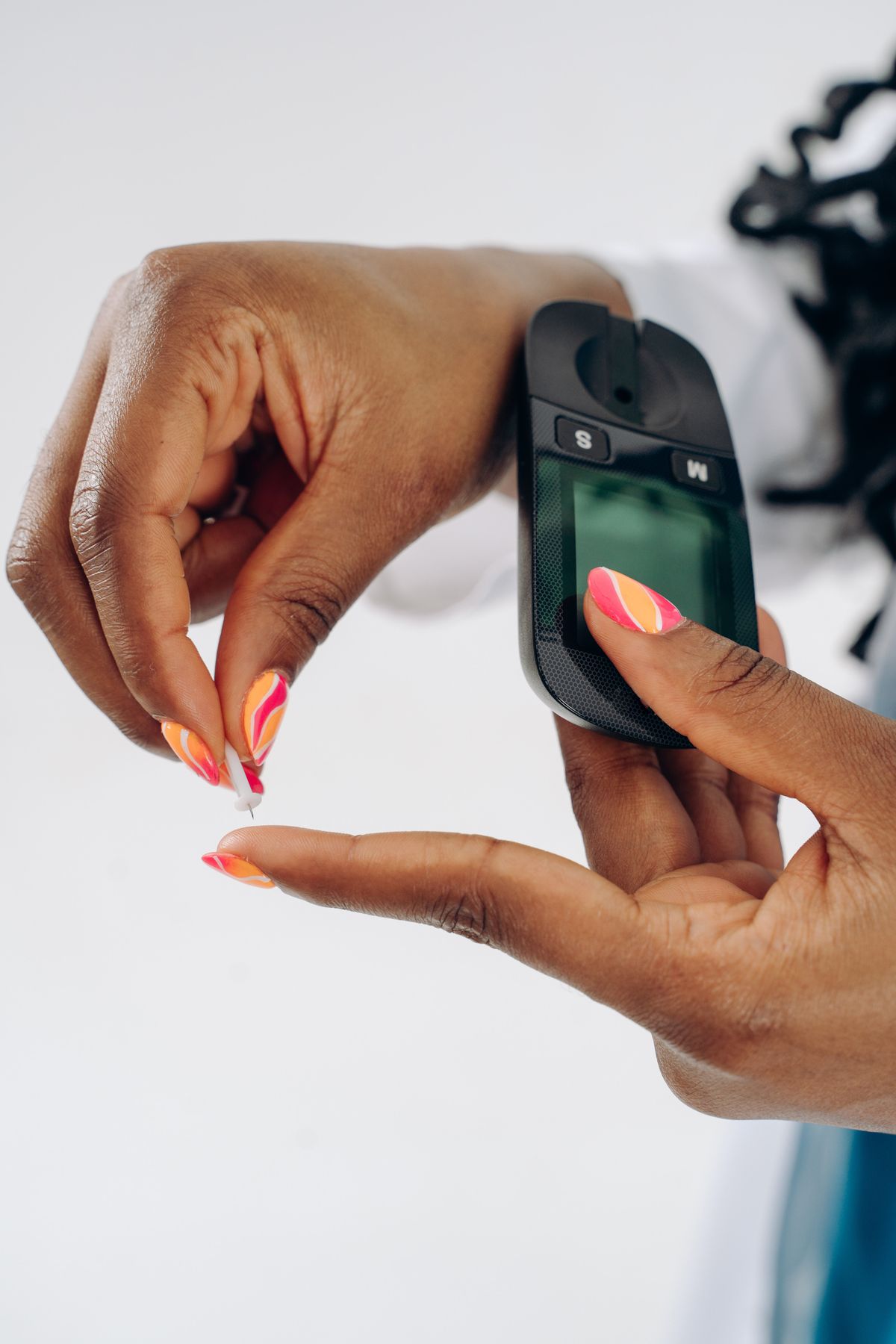
Type 1 diabetes is an autoimmune disease. The immune system destroys the insulin-making cells in the pancreas, so the body cannot move sugar out of the blood and into cells for energy. It is not caused by diet or weight. The CDC states plainly that "diet and lifestyle habits don't cause type 1 diabetes." In children, the symptoms can appear over just a few weeks and turn severe quickly.
The four early signs in children
The classic presentation is several days to weeks of these four symptoms together:
- Excessive thirst. A child who cannot stop drinking and is still thirsty.
- Frequent urination. Soaking through diapers, more bathroom trips, or a potty-trained child who suddenly starts wetting the bed again.
- Unexplained weight loss. The body cannot use sugar for fuel, so it burns fat and muscle. A child can lose weight even while eating more.
- Fatigue and weakness. Low energy, sleeping more, or seeming "off."
Blurry vision, nausea, vomiting, and yeast or diaper rashes can also show up. Per the National Institute of Diabetes and Digestive and Kidney Diseases, these symptoms develop quickly in type 1, sometimes in a matter of weeks. If you see this cluster in your child, ask for a blood sugar test the same day. A finger-stick glucose check takes seconds.
Type 1 is not type 2, and the difference matters
Both diseases raise blood sugar, but they work in opposite ways. In type 1, the pancreas stops making insulin, so the child needs insulin to survive from the moment of diagnosis. In type 2, the pancreas still makes insulin but the body resists it; that type is often managed at first with lifestyle changes and pills. Mixing them up is dangerous. The American Diabetes Association notes that type 1 requires insulin therapy, while many people with type 2 start with other treatments. A child with type 1 who is treated as if they have type 2, and sent home without insulin, is left to slide toward a medical emergency. For the adult-onset insulin-resistant disease, see our explainer on type 2 diabetes in Black adults.
Black children are more often misdiagnosed and diagnosed in crisis
This is where the disparity bites hardest. A 2024 analysis of 2,073 youth with new-onset diabetes found that 6.4%, about 1 in 15, had their diabetes type classified inaccurately at diagnosis. Misclassification was tied to earlier development of diabetic ketoacidosis and to nerve and kidney complications. In the study's sensitivity analysis, Black race emerged as a factor in reclassification once children with positive autoantibodies were excluded, and Hispanic ethnicity was strongly associated overall (published in Scientific Reports, Tosur and colleagues). When a Black child's type 1 is read as type 2, the right treatment, insulin, gets delayed.
Community health centers are primary care: they see patients regardless of insurance, charge on a sliding scale that is often $0, and can manage a condition like blood pressure or diabetes long-term. Our directory of free and charitable clinics lists centers by state. A same-day telehealth visit is self-pay and is not billed to Medicaid, so an ongoing clinic relationship usually costs less over a year. If you want a telehealth visit sooner:

See a doctor online today.
- Same-day video visits from $34
- Price shown before you book
- No insurance needed
 with Sesame Care
Affiliate link, we may earn a commission at no extra cost to you.
Delay shows up as diabetic ketoacidosis, or DKA, at diagnosis. DKA happens when the body, starved of insulin, burns fat for fuel and floods the blood with acids called ketones. It can cause coma and death. Across nearly 20,000 patients at eight U.S. academic diabetes clinics, 28% of non-Hispanic Black youth with type 1 diabetes had experienced DKA, compared with 8% of non-Hispanic White youth (Majidi and colleagues, Clinical Diabetes, 2021). DKA at diagnosis is not just a scary start. The SEARCH for Diabetes in Youth study found that children who presented in DKA had higher blood sugar control problems for years afterward, with the gap widening over nearly a decade of follow-up.
The technology gap is real and it is not just about money
Continuous glucose monitors (CGMs) and insulin pumps make type 1 safer and easier to manage, yet Black children use them far less. In the same eight-clinic study, 17% of Black youth used a CGM versus 40% of White youth, and 41% used an insulin pump versus 60% of White youth. A 2025 study of automated insulin delivery systems, the most advanced setup, found 47% of Black youth used one compared with 70% of White youth (Yilmaz and colleagues, Diabetes Spectrum, 2025).
Money is part of it, but not all of it. Researchers analyzing the T1D Exchange registry concluded that socioeconomic status did not fully explain the gap between Black and White youth, pointing to provider implicit bias, structural racism, and medical mistrust as added drivers (Majidi et al., 2021). The outcome gap follows: in that registry, Black youth had a mean HbA1c (a 3-month blood sugar average) of 10.3% versus 8.3% in White youth. Even Black children who do use the best technology tend to land at higher A1C levels than White peers using the same tools.
How to get care and protect your child
If you see the four signs, push for a same-day glucose test and ask directly: "Could this be type 1 diabetes?" If your child is diagnosed, ask whether they were checked for diabetes autoantibodies, the markers that confirm type 1, so the type is not assumed from appearance or weight. From the start, ask about a continuous glucose monitor and an insulin pump; you have the right to request the technology that White children receive at nearly double the rate. A clinician who knows the data on Black pediatric diabetes is an asset. You can find a Black clinician in our directory. If weight has been part of the conversation, our piece on childhood obesity in Black children covers how to talk about it without losing sight of type 1.
Frequently asked questions
What are the first signs of type 1 diabetes in a child? ▼
Four signs that appear together over days to weeks: extreme thirst, frequent urination (including a potty-trained child wetting the bed again), unexplained weight loss even while eating, and fatigue. Blurry vision, nausea, and vomiting can also occur. Ask for a blood sugar test the same day you notice them.
Can a Black child be misdiagnosed with type 2 instead of type 1? ▼
Yes. About 1 in 15 youth have their diabetes type classified inaccurately at diagnosis, and misclassification is more common in Black and Hispanic children. If type 1 is read as type 2, insulin gets delayed, which raises the risk of diabetic ketoacidosis. Ask whether your child was tested for diabetes autoantibodies to confirm the type.
Why do Black children present in DKA more often? ▼
In one study of nearly 20,000 patients, 28% of Black youth with type 1 had experienced diabetic ketoacidosis versus 8% of White youth. Misread early symptoms, delayed diagnosis, and unequal access to care all contribute. DKA at diagnosis is tied to worse blood sugar control for years afterward, so early recognition matters.
Is type 1 diabetes caused by diet or weight? ▼
No. The CDC states that diet and lifestyle do not cause type 1 diabetes. It is an autoimmune disease in which the immune system destroys the insulin-making cells in the pancreas. A child with type 1 needs insulin from the day of diagnosis.
How can I get my child a CGM or insulin pump? ▼
Ask for it directly. Black children are offered continuous glucose monitors and insulin pumps at far lower rates than White children, and the gap is not explained by income alone. Request the technology, ask your clinician to document the medical need for insurance, and seek a provider experienced with Black pediatric diabetes if you meet resistance.