About 1 in 4 non-Hispanic Black children in the US have obesity, and Black girls have the highest rate of any group of girls at 30.8 percent, according to CDC data for 2017 to March 2020. The reasons are mostly about where families live, what food is sold nearby, what gets marketed to kids, and whether it is safe to play outside. None of that is a parent's fault. This guide covers how obesity is defined in children, the health risks that show up earlier in Black kids, and the family habits that help without dieting, food policing, or weight-talk that can trigger eating disorders.
Start with the systems, not the child
Black and Latino children are more likely to grow up in neighborhoods with fewer grocery stores, more fast food, fewer safe parks, and heavier advertising for sugary drinks and snacks. Researchers tie these patterns directly to structural racism and residential segregation, not to parenting or willpower. Low-income Black mothers are more than five times as likely as low-income White mothers to live in a low-socioeconomic-status neighborhood, which shapes a child's food and activity options from birth.
This framing matters because the alternative, blaming families, makes things worse. It loads shame onto kids and parents who are already navigating an environment built against them. The honest starting point is that a child's weight is a signal about the systems around them, and the response should target those systems alongside the home.
How obesity is defined in kids, and the limits
For children and teens, obesity is defined as a body mass index at or above the 95th percentile for the child's age and sex on the CDC growth charts. Because children grow, their BMI is compared to other kids the same age and sex rather than to a single adult cutoff. The 2023 American Academy of Pediatrics clinical practice guideline keeps BMI percentile as the primary screening tool.
BMI is a screen, not a verdict. It does not measure muscle, bone, or where fat sits, and it can misjudge an individual child. A high BMI percentile is a reason to look closer with a clinician, check blood pressure and labs, and ask about sleep and growth. It is not a reason to put a child on a diet on its own.
The health stakes show up earlier in Black kids
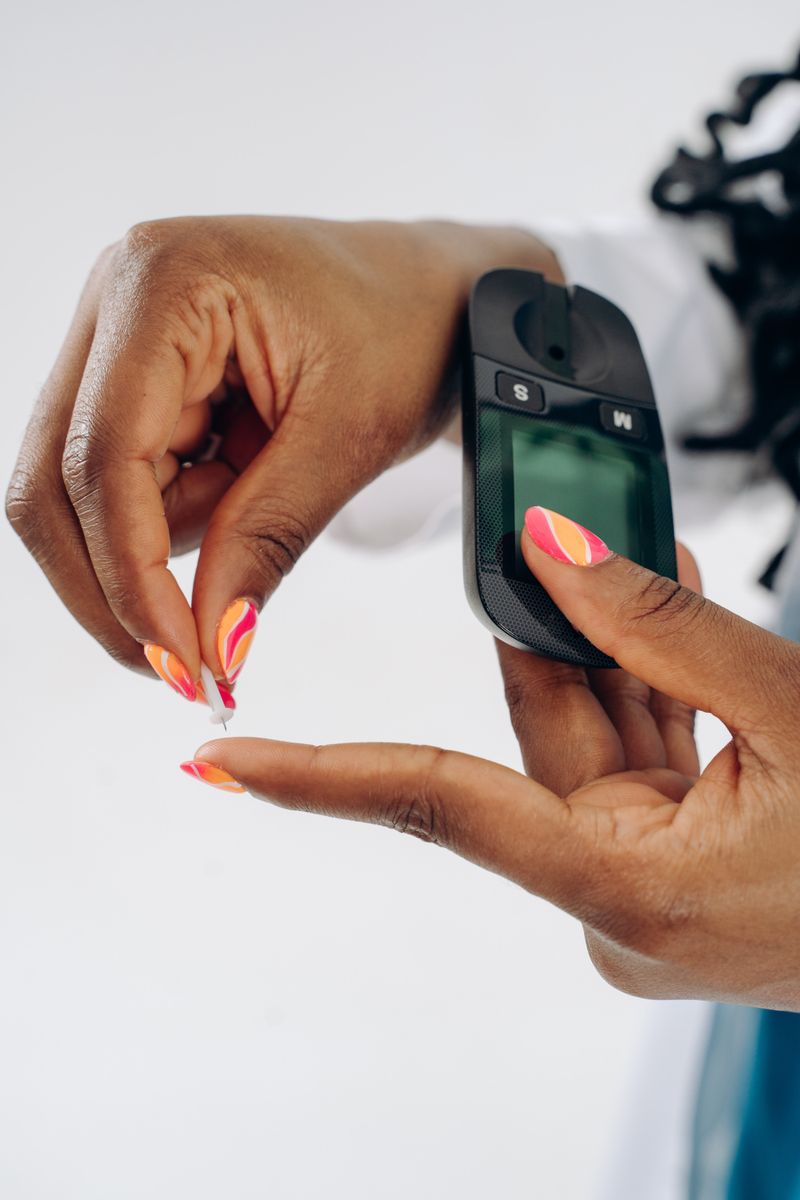
The reason pediatricians take childhood obesity seriously is that complications arrive young, and they arrive earlier and harder in Black youth. Type 2 diabetes, once almost unheard of in children, now accounts for roughly one in three new childhood diabetes cases. Incidence has climbed fastest among Black and Hispanic youth: in the SEARCH for Diabetes in Youth study, the annual increase in type 2 diabetes among Black youth rose to about 7 percent in the later study years. Youth-onset type 2 diabetes is also more aggressive than the adult form, with faster loss of blood-sugar control and earlier complications.
Community health centers are primary care: they see patients regardless of insurance, charge on a sliding scale that is often $0, and can manage a condition like blood pressure or diabetes long-term. Our directory of free and charitable clinics lists centers by state. A same-day telehealth visit is self-pay and is not billed to Medicaid, so an ongoing clinic relationship usually costs less over a year. If you want a telehealth visit sooner:

See a doctor online today.
- Same-day video visits from $34
- Price shown before you book
- No insurance needed
 with Sesame Care
Affiliate link, we may earn a commission at no extra cost to you.
Beyond diabetes, children with obesity face higher rates of prediabetes, nonalcoholic fatty liver disease, high blood pressure, abnormal cholesterol, obstructive sleep apnea, joint and orthopedic strain, and depression and anxiety. Black children carry a disproportionate share of this risk. If your child already has elevated weight, ask the pediatrician to screen for these, not to lecture about pounds. For families managing related adult risk, our explainers on type 2 diabetes in Black adults and reversing prediabetes cover the same metabolic story across the lifespan.
Why weight-talk and dieting backfire
Shaming a child about weight does not produce a healthier child. The AAP and The Obesity Society warn that weight stigma drives binge eating, social isolation, avoidance of medical care, less physical activity, and more weight gain. The most lasting harm often starts with a comment, sometimes from a doctor, telling a child to watch their weight.
Dieting and weight talk also raise the risk of eating disorders. A 2023 systematic review in JAMA Pediatrics found that about 1 in 5 children and adolescents worldwide show disordered eating behaviors. Children told to diet are more likely to develop those patterns. The goal at home is not a smaller child. It is a child with a steady relationship to food, a body they are not at war with, and habits that hold for life. That means no labeling foods as good or bad in front of the child, no commenting on their body or anyone else's, and no using food as reward or punishment.
What actually helps at home
The habits with the most evidence are whole-family routines, not restriction aimed at one kid:
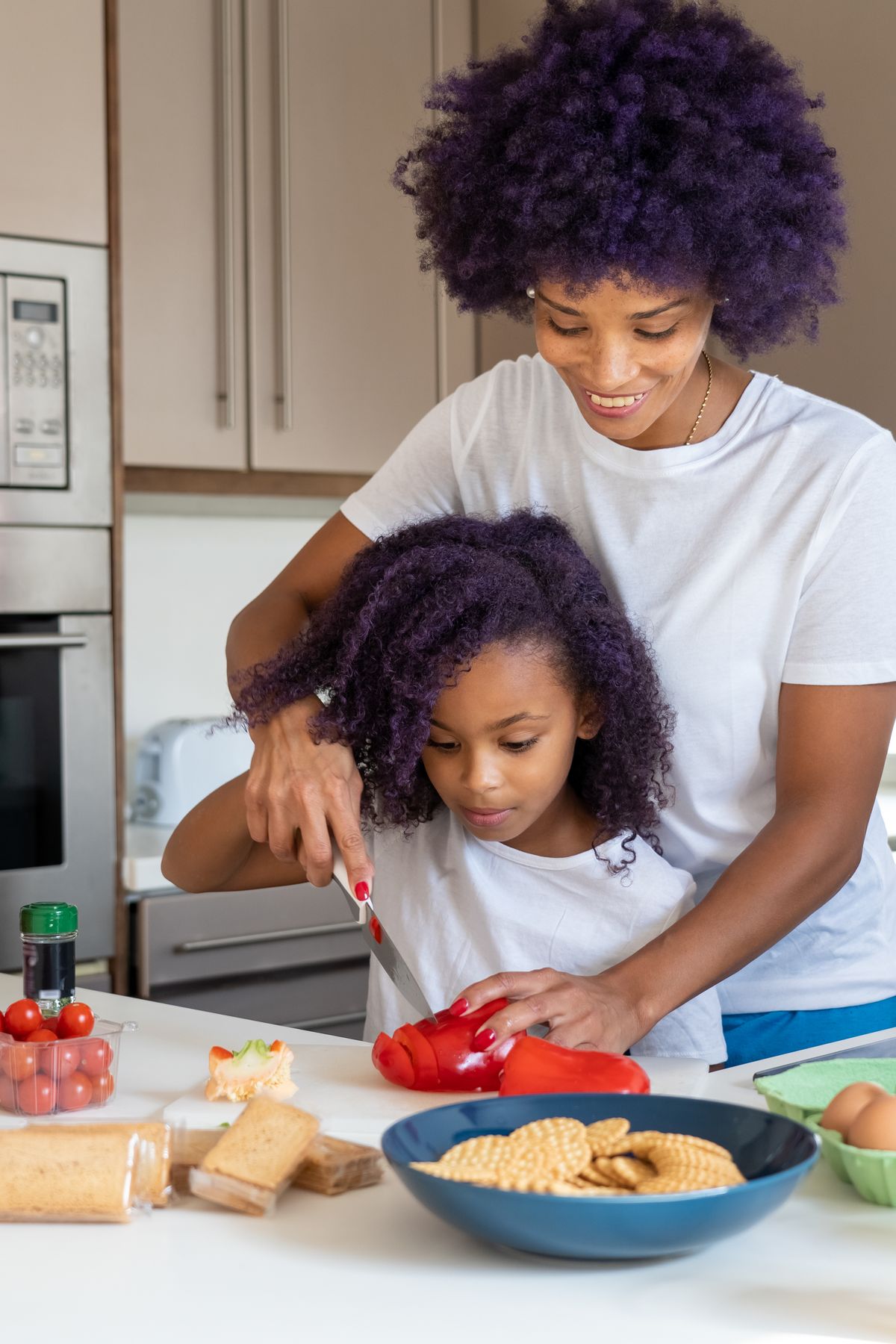
- Regular family meals. Eating together on a predictable schedule is linked to lower obesity risk and better eating patterns. Cook realistic, budget-friendly versions of the foods your family already loves rather than chasing a special diet.
- Water and milk over sugary drinks. Sugary drinks are among the most consistent dietary drivers of weight gain in kids, and they are marketed hardest to Black children. Make water the default and treat soda and juice as occasional.
- Enough sleep. Short sleep is tied to higher obesity risk. Protect a consistent bedtime and keep screens out of the bedroom.
- Movement that is fun. Play, dance, sports, walking the dog, anything the whole family enjoys, beats structured exercise framed as punishment. If the neighborhood is not safe for outdoor play, look to school programs, rec centers, and faith-community spaces.
- Limit screen-time marketing. Cutting screen time reduces both sedentary hours and exposure to junk-food advertising aimed at kids.
What the pediatrician should offer
The 2023 AAP guideline says evaluation and treatment should be early and comprehensive, not a wait-and-see approach. The cornerstone is intensive health behavior and lifestyle treatment: ideally 26 or more contact hours over a year with a team that supports the whole family on nutrition, activity, and behavior. For some adolescents, the guideline says clinicians should also consider weight-loss medication or referral to a specialized program, evaluated case by case. A good clinician offers these as options, screens for the medical complications above, and never makes the child feel blamed.
How to get care that respects your child
A clinician who does not blame is part of the treatment. You can ask a pediatrician to focus on health behaviors and lab markers rather than weight numbers, to avoid weighing your child in front of them or commenting on their body, and to screen for diabetes, blood pressure, and liver markers. A provider who shares your community context often makes those conversations land better. You can find a Black pediatrician in our directory. Beyond the clinic, push your child's school and your local officials for better school food, safe places to play, and recess time. Those community resources do more than any single visit.
Frequently asked questions
Why are Black children more likely to have obesity? ▼
The drivers are largely structural. Black children are more likely to live in neighborhoods with fewer grocery stores and parks, more fast food, unsafe streets that limit play, and heavier junk-food marketing aimed at them. Researchers link these patterns to structural racism and segregation, not to parenting. CDC data for 2017 to March 2020 put obesity at about 24.8 percent among non-Hispanic Black children, with Black girls highest at 30.8 percent.
Should I put my child on a diet? ▼
No. Pediatric guidelines and eating-disorder specialists warn that dieting and weight talk raise the risk of disordered eating and rarely produce lasting health gains. Focus the whole family on regular meals, water over sugary drinks, sleep, and fun movement, and let a clinician guide any medical treatment. Do not single out one child or label foods as good or bad in front of them.
What is a healthy BMI for a child? ▼
For children, BMI is read as a percentile for the child's age and sex on the CDC growth charts. Obesity is defined as the 95th percentile or higher. BMI is a screen, not a diagnosis: it does not measure muscle or fat distribution and can misjudge an individual child. A high percentile is a reason to check in with a clinician, not to start restricting food.
What health problems can childhood obesity cause in Black kids? ▼
Type 2 diabetes, prediabetes, nonalcoholic fatty liver disease, high blood pressure, abnormal cholesterol, sleep apnea, joint strain, and depression or anxiety. These complications show up earlier and progress faster in Black youth. Type 2 diabetes now accounts for about one in three new childhood diabetes cases, and incidence has risen fastest among Black and Hispanic youth.
What does the 2023 AAP guideline recommend? ▼
The American Academy of Pediatrics says evaluation and treatment should be early and comprehensive rather than watchful waiting. The cornerstone is intensive health behavior and lifestyle treatment, ideally 26 or more contact hours over a year with a family-centered team. For some adolescents, clinicians should also consider weight-loss medication or referral to a specialized program, decided case by case.