Type 2 diabetes is what happens when your body stops responding well to insulin, the hormone that moves sugar out of your blood and into your cells for energy. Sugar builds up in the blood instead. Left uncontrolled, that high blood sugar slowly damages blood vessels and nerves, which is how diabetes leads to kidney failure, blindness, amputation, and heart disease. For Black adults the stakes are higher at every stage, and the reasons are mostly fixable: later diagnosis, gaps in care, and a blood test that can mislead. None of that is destiny.
The disparity is large, and most of it is preventable
Black Americans carry more diabetes and worse outcomes from it. The Office of Minority Health reports that in 2024 Black/African American adults were 24% more likely than U.S. adults overall to have diabetes, and the long-standing comparison to White adults specifically puts the gap near 60% higher. The harder numbers are downstream: in 2022, Black Americans died from diabetes 78% more often than the U.S. population overall. Black adults with diabetes reach end-stage kidney disease at more than twice the rate, undergo lower-limb amputation at about 1.3 times the rate, and lose vision at higher rates than the general population with diabetes.
Those gaps are not written into Black bodies. They track to later diagnosis, less consistent access to specialists and newer medications, uneven care quality, and neighborhood food and built environments that make blood-sugar control harder. Each of those has a counter-move, which is what the rest of this guide is about.
What type 2 diabetes actually is
In type 2 diabetes, your cells stop responding normally to insulin. This is called insulin resistance. The pancreas compensates by making more insulin, and for a while blood sugar stays normal. Over years the pancreas cannot keep up, insulin output falls behind, and blood sugar climbs into the diabetic range. That slow build is why type 2 diabetes is mostly a disease of adulthood and why it can be present long before anyone notices.
Risk goes up with extra weight (especially around the middle), family history, age over 45, high blood pressure, and having had gestational diabetes. Genetics and the day-to-day realities of where you live and what food is within reach both feed insulin resistance. If your numbers are still in the in-between range, you may have prediabetes, which is reversible. Read our guide on reversing prediabetes if you have been told your blood sugar is borderline.
The symptoms people miss
Type 2 diabetes is often silent for years. When symptoms do show up, they are easy to write off as stress, aging, or a busy week. The ones to know:
- Constant thirst and frequent urination. Excess blood sugar pulls water out, so you drink and urinate more, often waking at night to go.
- Fatigue. When sugar cannot get into cells for energy, you feel drained even after rest.
- Blurry vision. High blood sugar swells the lens of the eye and changes your focus.
- Slow-healing cuts and sores, and infections that keep coming back, because high sugar impairs healing and immune defense.
- Numbness or tingling in the hands or feet, an early sign of nerve damage. We cover this in numbness and tingling in the hands and feet.
- Unexplained weight loss and increased hunger in some people.
Because the disease can run silent, symptoms are not a reliable screen. The numbers are.
The diagnostic numbers, explained plainly
Diabetes is diagnosed with blood tests, and the cutoffs are fixed:
Community health centers run A1C and blood sugar panels on a sliding scale that is often $0, and screening for prediabetes is a routine part of an annual physical if you have insurance. Our directory of free and charitable clinics lists centers by state. An at-home A1C kit is self-pay and is not billed to Medicaid, so the clinic route usually costs less. If you would rather test at home:

Everlywell
An at-home A1C test that measures your average blood sugar over roughly three months from a finger-prick sample.
Order an at-home A1C testAffiliate link, we may earn a commission at no extra cost to you.
- A1C measures your average blood sugar over about three months. Below 5.7% is normal, 5.7% to 6.4% is prediabetes, and 6.5% or higher is diabetes.
- Fasting blood sugar (no food for 8 hours): 99 mg/dL or below is normal, 100 to 125 mg/dL is prediabetes, and 126 mg/dL or higher is diabetes.
- Oral glucose tolerance test (blood sugar 2 hours after a sugary drink): 140 mg/dL or below is normal, 140 to 199 is prediabetes, and 200 mg/dL or higher is diabetes.
Why A1C can mislead Black patients
Here is a caveat that matters specifically for Black patients and that many clinicians skip. The A1C test depends on how long your red blood cells live. Sickle cell trait and other hemoglobin variants shorten that lifespan, so sugar has less time to attach, and the A1C reads lower than your blood sugar actually is. About 1 in 13 African Americans carries sickle cell trait. A 2017 JAMA study by Mary Lacy and colleagues found that using standard A1C cutoffs identified 40% fewer cases of prediabetes and 48% fewer cases of diabetes in people with sickle cell trait than in those without it. A falsely low A1C can delay diagnosis for years.
The fix is simple. If you carry sickle cell trait, or do not know whether you do, ask your clinician to confirm any borderline A1C with a fasting glucose or an oral glucose tolerance test, which measure blood sugar directly. The NIDDK advises that the A1C test should not be used at all for people with sickle cell disease (HbSS, HbSC, or HbCC). Knowing your hemoglobin status is part of getting an accurate diagnosis.
The targets to aim for
Once you have diabetes, three numbers drive whether you stay healthy. For most adults the goals are an A1C below 7%, blood pressure below 140/90 mm Hg (your clinician may set a tighter goal), and LDL cholesterol under 70 mg/dL if you are 40 to 75 with heart-disease risk factors. Your personal targets may differ, so confirm yours. The reason all three matter: most of what kills people with diabetes is heart and blood-vessel disease, and blood pressure and cholesterol drive that as much as blood sugar does. Only about 1 in 4 U.S. adults with diabetes meets the combined goals, so there is real room to do better with a clinician who tracks all three.
Management that works
Food, made realistic. The goal is fewer rapid blood-sugar spikes, not a diet that ignores how you actually eat. That means smaller portions of rice, grits, and cornbread, more non-starchy vegetables and beans, and protein at every meal. Greens, okra, black-eyed peas, fish, and baked instead of fried versions of familiar dishes keep the plate cultural and the blood sugar lower. Sweet tea and soda are the fastest wins to cut. A diabetes educator or dietitian who respects how your household eats is worth asking for by name.
Movement. Regular activity makes your cells more sensitive to insulin, which lowers blood sugar directly. A brisk walk after meals, most days, moves the needle. You do not need a gym.
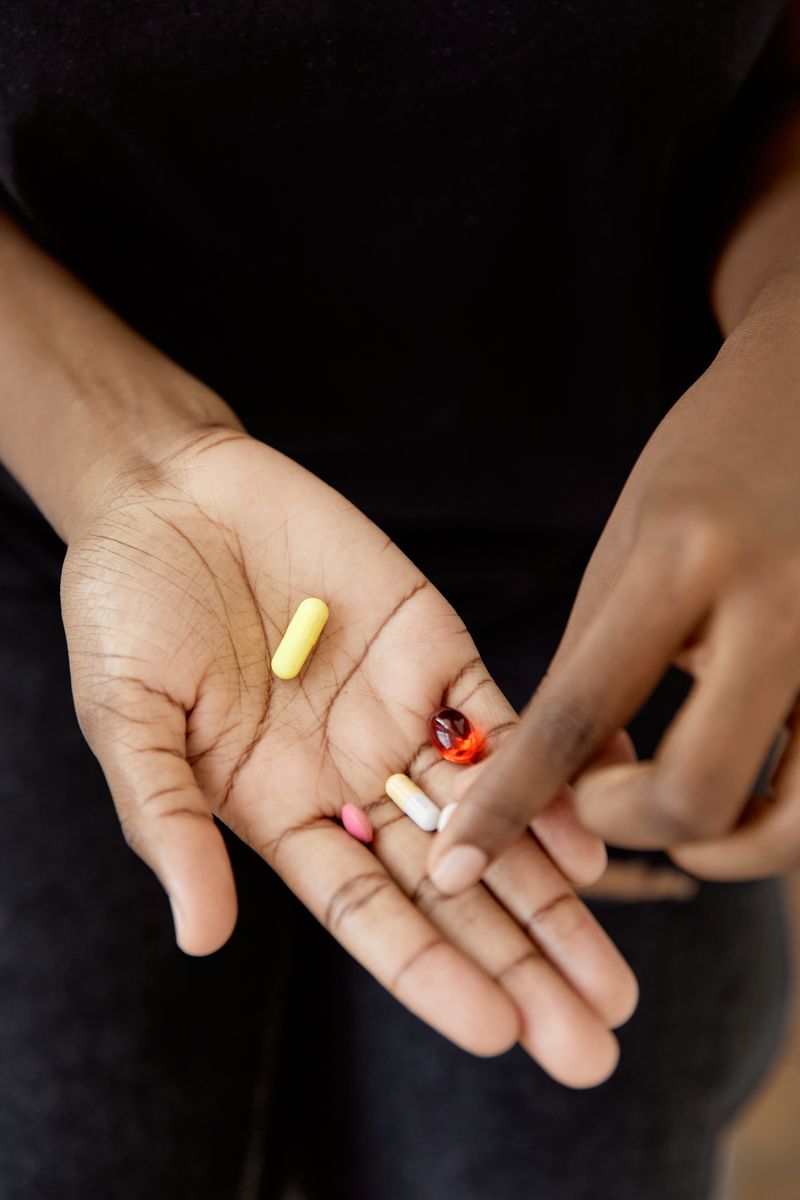
The modern medication menu. Metformin is still the usual first pill: cheap, effective, and well understood. For its common stomach side effects and how to manage them, see our guide on metformin side effects. Two newer classes have changed the game. GLP-1 receptor agonists (drugs like semaglutide and tirzepatide) lower blood sugar, drive weight loss, and cut the risk of heart attack and stroke. SGLT2 inhibitors (drugs like empagliflozin and dapagliflozin) lower blood sugar and have been shown to protect the kidneys and reduce hospitalization for heart failure. The American Diabetes Association now treats these two classes as a core part of care for people with diabetes who also have heart or kidney disease, regardless of what the A1C is doing. That organ protection matters most for the exact organs diabetes hits hardest in Black patients.
These newer drugs are also where access gaps bite. They are expensive and historically prescribed less often to Black patients. If a GLP-1 makes sense for you, telehealth can be one route to a prescription and to coverage help. Our online GLP-1 guide walks through how that works. The point is to ask: a medication that protects your kidneys and heart should not be skipped because no one offered it.
The complications to screen for and prevent
Most diabetes complications are preventable, and the prevention is screening that catches damage before you feel it. Four checks belong on your calendar:
- Eyes. A dilated eye exam every year catches diabetic retinopathy, a leading cause of blindness, while it is still treatable. Damage is silent until late.
- Kidneys. A urine albumin test and an eGFR blood test, yearly, find kidney damage early. Black adults face more than twice the rate of diabetes-related kidney failure, so this one is not optional.
- Feet. Have your feet checked at every visit, and look at them yourself. Nerve damage means a sore can go unnoticed until it becomes the infection that leads to amputation.
- Heart. Blood pressure and cholesterol at every visit, because heart and blood-vessel disease is the most common cause of death in diabetes.
How to get care
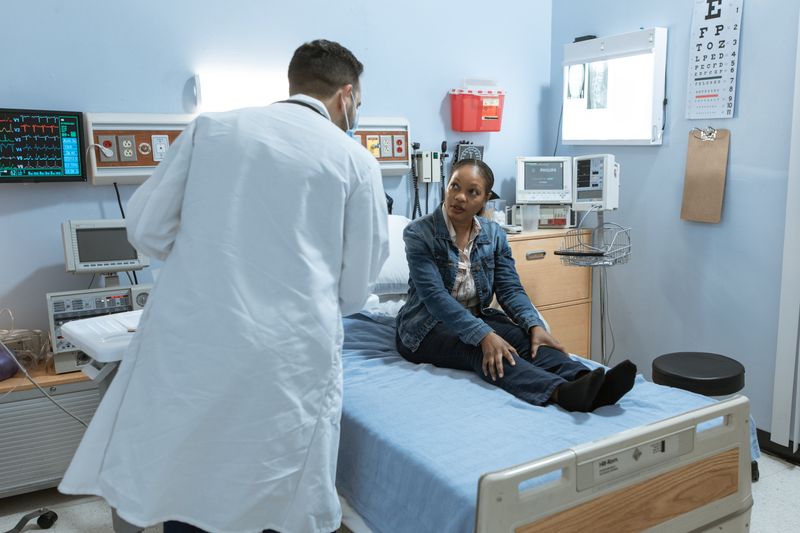
Start with a clinician who runs the full set of numbers and acts on them. At your next visit, ask for an A1C plus a fasting glucose if your A1C is borderline or you carry sickle cell trait, confirm your blood-pressure and cholesterol targets, and ask whether a GLP-1 or SGLT2 medication fits your kidney and heart risk. Then book the yearly eye, kidney, and foot checks. A clinician who takes your family history and your hemoglobin status seriously changes outcomes. Find a Black primary care clinician or endocrinologist in our directory to start that conversation with someone who will listen.
Frequently asked questions
Why are Black adults more likely to get type 2 diabetes? ▼
Several forces combine: higher rates of risk factors like high blood pressure and excess weight, later diagnosis, less consistent access to specialists and newer medications, and food and neighborhood environments that make blood-sugar control harder. Black adults are about 60% more likely than White adults to be diagnosed with diabetes. Most of the gap traces to access and care, not biology, which is why earlier testing and better treatment close it.
Can sickle cell trait make a diabetes test wrong? ▼
Yes. Sickle cell trait, carried by about 1 in 13 African Americans, shortens the lifespan of red blood cells and can make the A1C test read falsely low, hiding diabetes. A 2017 JAMA study found A1C missed 48% more diabetes cases in people with the trait. If you carry sickle cell trait or do not know your status, ask for a fasting glucose or oral glucose tolerance test to confirm a borderline A1C.
What A1C means I have diabetes? ▼
An A1C of 6.5% or higher means diabetes. Below 5.7% is normal, and 5.7% to 6.4% is prediabetes. Diabetes can also be diagnosed by a fasting blood sugar of 126 mg/dL or higher or a 2-hour glucose tolerance result of 200 mg/dL or higher. For most adults with diabetes, the treatment goal is to get A1C below 7%.
Are GLP-1 and SGLT2 drugs better than metformin? ▼
They do different jobs. Metformin is usually the first pill: effective, inexpensive, and safe. GLP-1 drugs add weight loss and lower heart-attack and stroke risk, and SGLT2 inhibitors protect the kidneys and reduce heart-failure hospitalization. For people who also have heart or kidney disease, the ADA recommends a GLP-1 or SGLT2 alongside other care regardless of A1C. Many people end up on metformin plus one of the newer drugs.
Can type 2 diabetes be reversed? ▼
Type 2 diabetes can sometimes go into remission, meaning normal blood sugar without medication, especially with significant weight loss soon after diagnosis. It is more often controlled than cured. Prediabetes, the stage before diabetes, is more clearly reversible. Either way, the earlier you act, the better the odds of avoiding complications.
What screenings do I need once I have diabetes? ▼
Four every year or every visit: a dilated eye exam for retinopathy, a urine albumin test and eGFR for kidney damage, a foot check for nerve damage and sores, and blood pressure plus cholesterol for heart risk. These catch the complications that cause blindness, kidney failure, amputation, and heart disease while they are still preventable. Ask for each by name.