Bacterial meningitis kills roughly one in seven people who get it, and meningococcal disease can move from a first symptom to death in under a day. The mistake that costs lives is waiting for the full classic picture. In 696 adults with community-acquired bacterial meningitis, all three of fever, stiff neck and altered mental status were present in only 44 percent of cases. Two of those signs arriving together over hours is already an emergency.
Bacterial or viral: the difference decides your next hour
Meningitis means the membranes around the brain and spinal cord are inflamed. What caused the inflammation decides everything about urgency. Viral meningitis, most often from enteroviruses, usually resolves on its own: up to 75,000 enteroviral cases occur in the US each year, and the course is self-limited with a favorable prognosis. Bacterial meningitis is the opposite. Across US surveillance from 2003 to 2007, Streptococcus pneumoniae caused 58.0 percent of cases and Neisseria meningitidis 13.9 percent, with about 4,100 cases and 500 deaths a year and a case fatality rate of 14.3 percent in the last years measured.
You cannot tell the two apart at home. Neither can a physician, without spinal fluid. So the working rule is simple: treat a sudden fever with a severe headache and a neck that will not bend as bacterial until a hospital proves otherwise.
Waiting for all three classic signs is the mistake
Medical training teaches a triad: fever, stiff neck, altered mental status. In 696 episodes of community-acquired bacterial meningitis in adults, all three were present in 44 percent. Ninety-five percent had at least two of four features: headache, fever, neck stiffness and altered mental status. Headache alone showed up in 87 percent, neck stiffness in 83 percent, fever in 77 percent and a change in mental status in 69 percent.
The trigger for an emergency department visit is two signs appearing together over hours, not three signs appearing over days. Speed of onset carries as much information as the list itself. A headache that builds over a week is a different problem from a headache that arrives with a fever and a stiff neck the same afternoon.
The signs that should put you in a car
In adults and older children, watch for these appearing suddenly and together:
- Fever with a severe headache, worse than any headache you have had before
- A stiff neck, especially if you cannot touch your chin to your chest
- Confusion, disorientation, or being hard to wake
- Sensitivity to light
- Nausea and vomiting
- A seizure
Babies show none of that
Infants do not report headache and often never develop a stiff neck. MedlinePlus lists what replaces it: a bulging fontanelle (the soft spot on top of the head), poor feeding, irritability, decreased alertness, rapid breathing, and an arched-back posture. A baby who will not feed, cannot be settled, and is getting harder to rouse needs to be seen now, not in the morning.
The rash on brown and dark skin
When meningococcal bacteria multiply in the bloodstream they damage vessel walls and blood leaks under the skin, producing petechiae: pinprick spots one to two millimeters across that can spread into larger purple patches. Nearly every reference photograph of that rash was taken on light skin, where it reads as bright red. On brown and dark skin it reads as dark brown, deep purple, or barely as a change in texture, and low light hides it completely.
If you or someone with you has warning signs right now, call 911 or go to the nearest emergency department. Do not wait for an appointment and do not use a video visit for this. Emergency rooms must treat you regardless of insurance or ability to pay under EMTALA. For follow-up care afterwards, our directory of free and charitable clinics lists centers by state, and a same-day telehealth visit is not billed to Medicaid:

See a doctor online today.
- Same-day video visits from $34
- Price shown before you book
- No insurance needed
 with Sesame Care
Affiliate link, we may earn a commission at no extra cost to you.
That gap has been measured. In a 2022 international study, 432 health professionals were shown images of pediatric skin conditions on darker skin tones and asked to identify them. Meningococcal sepsis was correctly identified 61 percent of the time. The authors linked the result to teaching materials, noting that the UK general-practice guidance on meningococcal meningitis and sepsis contained only two images of the rash on children with darker skin.
So look where the skin is palest and the spots show earliest: the palms, the soles of the feet, the inside of the lower eyelid, the whites of the eyes, the inside of the cheeks and the roof of the mouth. Use bright light, not a phone screen. Then press the side of a clear drinking glass firmly against the spots and look through it. A rash that fades under pressure is probably something else. A rash that stays visible through the glass is an ambulance call.
Two limits matter more than the test itself. A non-blanching rash is a late sign, so by the time it is unmistakable the illness is advanced. And many people with invasive meningococcal disease never develop a visible rash. Absence of a rash rules out nothing. Act on the fever, the headache and the neck.
The strain hitting Black adults ages 30 to 60 right now
In 2023 the United States recorded 422 cases of invasive meningococcal disease, the highest count since 2014. One serogroup Y strain, sequence type 1466, accounted for 101 of the 148 sequenced serogroup Y cases. The CDC health advisory reported that cases from this strain occurred disproportionately in people ages 30 to 60 (65 percent), people who are Black or African American (63 percent), and people living with HIV (15 percent). Of 94 patients with known outcomes, 17 died, an 18 percent case fatality rate against a historical 11 percent for serogroup Y.
The clinical detail matters more than the count. Most 2023 cases from this strain did not look like meningitis: 64 percent presented as bloodstream infection, at least 4 percent as septic arthritis. A Black adult in their forties with high fever, severe body aches and a perfectly flexible neck can still have invasive meningococcal disease, and the picture overlaps heavily with the warning signs of sepsis. If you are living with HIV and your MenACWY doses are not current, that is the gap this strain has been exploiting.
What happens at the hospital, and why not to refuse the spinal tap
A lumbar puncture is the only way to know. A needle draws cerebrospinal fluid from the lower back, well below where the spinal cord ends, and the lab reads cell count, glucose, protein, Gram stain and culture. MedlinePlus states it plainly: a spinal tap is required to determine the specific cause. Blood cultures and a CT scan support the workup, they do not replace it.
Refusing the tap does not protect anyone. It leaves the team guessing at the organism and the antibiotic, and it removes the evidence that would let them safely stop treatment if the cause turns out to be viral. It is done under local anesthetic, and the usual complication is a headache afterward.
Antibiotics should not wait for the result. Infectious Diseases Society of America guidelines direct clinicians to start empiric antibiotics as soon as bacterial meningitis is suspected, before imaging when a CT scan would delay the tap. In adults with acute bacterial meningitis, a door-to-antibiotic time longer than six hours carried an adjusted odds ratio for death of 8.4 (95 percent CI 1.7 to 40.9).
The vaccines that prevent this
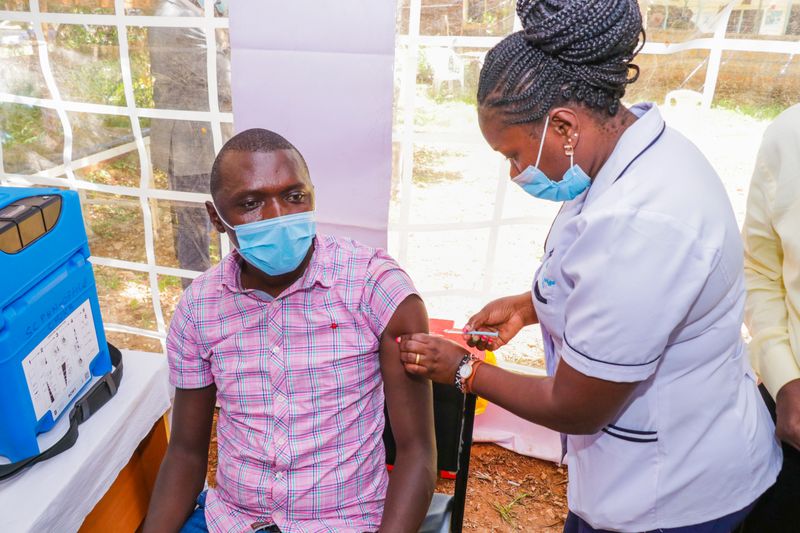
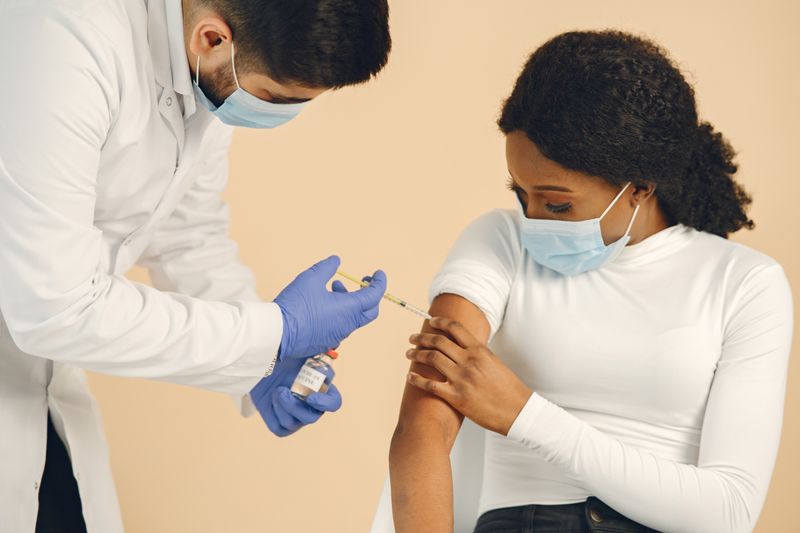
The Advisory Committee on Immunization Practices recommends MenACWY routinely at age 11 or 12 with a booster at 16. It covers serogroups A, C, W and Y, including the Y strain driving the current increase, and first-year college students living in residence halls are named specifically for catch-up. MenB is a separate vaccine covering serogroup B, recommended for ages 16 to 23 through shared clinical decision-making, which in practice means it happens only if somebody in the room brings it up. Bring it up.
Coverage shows what that difference produces. In 2021, 86.4 percent of adolescents had at least one MenACWY dose by age 13. MenB coverage was 33.7 percent by age 17, and among 19 to 23 year olds in commercial claims data only 15.0 percent had a first dose. The vaccine aimed squarely at the age group living in dorms is the one most young people are never offered.
Some people need both vaccines regardless of age. ACIP names anatomic or functional asplenia, persistent complement component deficiencies, and complement inhibitor use. Sickle cell disease sits in that first category: repeated splenic infarction leaves the spleen non-functional, which is why children with sickle cell disease need the full schedule against encapsulated bacteria plus daily penicillin in early childhood.
Be precise about the evidence. A 2025 systematic review found robust evidence of increased invasive pneumococcal and Hib disease in people with sickle cell disease, and no evidence of increased invasive meningococcal risk. ACIP still recommends MenACWY and MenB for functional asplenia. The documented benefit sits with pneumococcal vaccination and Hib, and pneumococcus causes the majority of US bacterial meningitis cases. Get all of them.
How to get care
Suspected meningitis is an emergency department problem, not a telehealth problem. The prevention work is a primary care visit: pull your immunization record, confirm MenACWY and its booster, ask for MenB by name, and ask about pneumococcal and Hib coverage if you have sickle cell disease, no spleen, a complement deficiency, or HIV. Shared clinical decision-making only works when the patient starts the conversation.
You can find a Black primary care doctor or pediatrician in our directory and ask at the first visit which vaccines you are missing.
Frequently asked questions
How fast does bacterial meningitis progress? ▼
Fast enough that hours decide the outcome. Invasive meningococcal disease carries a case fatality rate of 10 to 15 percent even with prompt antibiotics, and in adults a door-to-antibiotic time over six hours was associated with an adjusted odds ratio for death of 8.4. Do not wait to see how things look tomorrow.
Can you have meningitis without a stiff neck? ▼
Yes. Neck stiffness was present in 83 percent of adults with community-acquired bacterial meningitis, and the full triad of fever, stiff neck and altered mental status in only 44 percent. Infants frequently have no neck stiffness at all. And most 2023 US cases of the serogroup Y ST-1466 strain presented as bloodstream infection rather than meningitis.
How do you check for a meningitis rash on dark skin? ▼
Use bright light and look where the skin is palest: palms, soles, inside the lower eyelid, the whites of the eyes, and inside the mouth. Press a clear glass firmly on the spots. If they stay visible through the glass, call an ambulance. The rash is a late sign and many people never develop one, so clear skin rules nothing out.
Which meningitis vaccines does a college student need? ▼
MenACWY at age 11 or 12 with a booster at 16, plus catch-up for unvaccinated first-year students living in residence halls. MenB is a separate series recommended for ages 16 to 23 through shared clinical decision-making. In 2021 only 33.7 percent of adolescents had a MenB dose by age 17, so ask for it by name.
Does sickle cell disease raise the risk of meningitis? ▼
It raises the risk of invasive pneumococcal and Hib disease, both of which cause meningitis, because repeated splenic infarction leaves the spleen non-functional. A 2025 systematic review found no evidence of increased invasive meningococcal risk specifically. ACIP still recommends MenACWY and MenB for functional asplenia, alongside the pneumococcal and Hib series.
Is viral meningitis dangerous? ▼
It is usually far milder and follows a self-limited course with a favorable prognosis, and enteroviruses cause up to 75,000 US cases a year. The problem is that viral and bacterial meningitis look identical at the start. Only spinal fluid separates them, which is why the emergency visit is not optional.