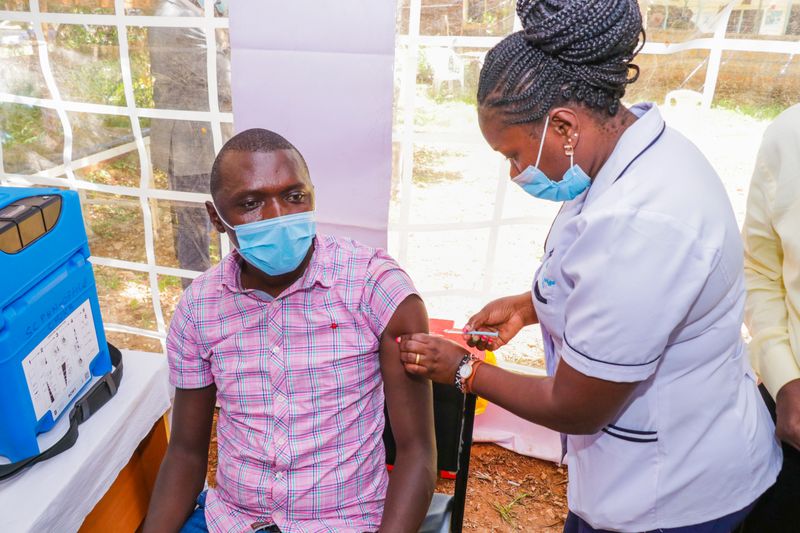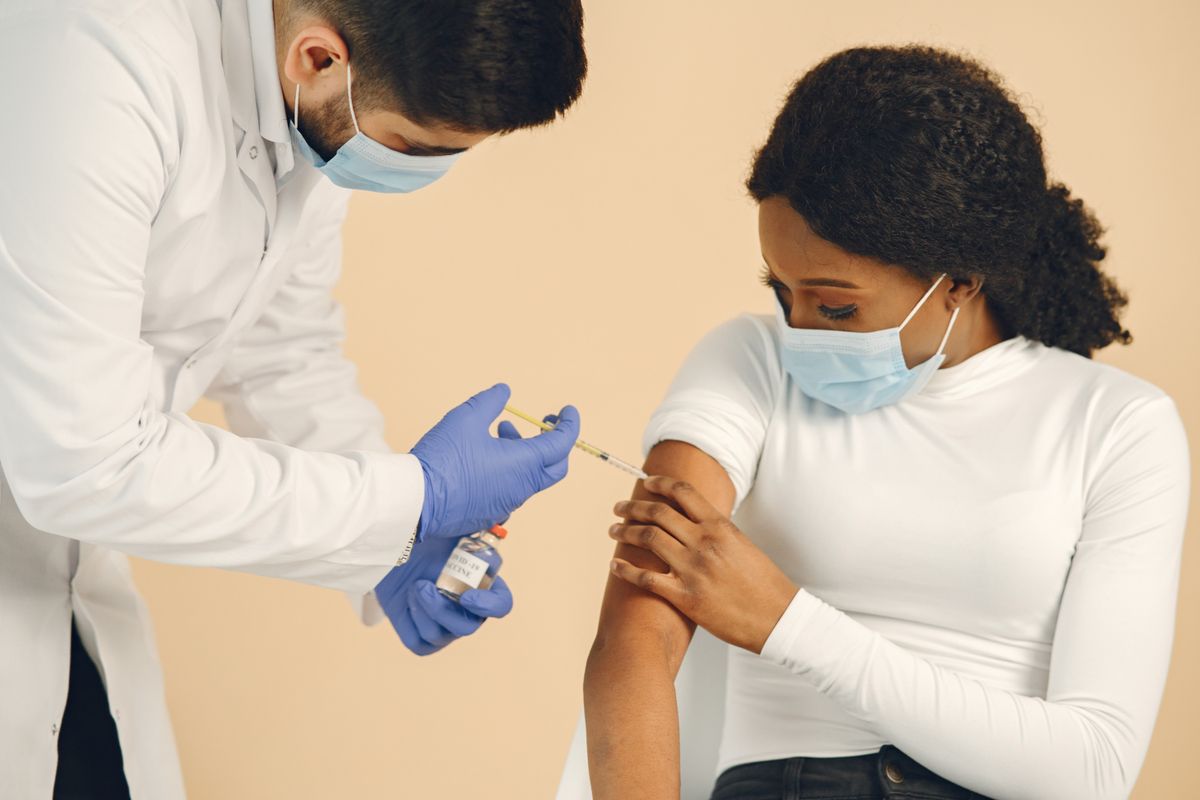
The flu is not just a bad cold. Influenza sends hundreds of thousands of Americans to the hospital in an average season and kills tens of thousands, and Black Americans carry more of that burden than white Americans do. During the 2021 to 2022 season, 42% of Black adults got a flu shot compared with 54% of white adults, and Black adults were hospitalized for flu at nearly twice the rate of white adults (PMID 36302226). That gap is not biological. It tracks to access barriers, missed chances to vaccinate at the doctor's office, and a mistrust rooted in real history. All of those are fixable.
Why the flu is more than a bad cold
Flu comes on fast. A cold builds over a few days with a runny nose and mild aches. Flu hits suddenly with fever, body aches, a dry cough, sore throat, headache, and the kind of fatigue that puts you in bed (CDC). The danger is what flu can turn into: pneumonia, worsening of a chronic condition, hospitalization, and death. The people most at risk are adults over 65, young children, pregnant people, and anyone with diabetes, heart disease, or lung disease like asthma or COPD (CDC). Those conditions are more common in Black communities, which is part of why the same virus does more damage here.
Flu also raises the odds of bacterial pneumonia, which is one reason adults with chronic conditions are urged to stay current on both the flu shot and the pneumococcal vaccine. The two protect against different infections that often arrive together.
The vaccination gap, by the numbers
The CDC tracked flu hospitalizations and vaccination by race across 12 seasons. Two findings stand out. First, flu vaccination coverage has been consistently lower among Black adults than white adults since at least 2010, reaching 42% versus 54% in 2021 to 2022 (PMID 36302226). Second, the gap held even among people who had insurance, a regular doctor, and a checkup in the past year. In other words, simply having access to care did not close it (PMID 36302226). That points to what happens inside the visit, not just whether the visit happens.
One of the most reliable findings in vaccination research is that a clear recommendation from a clinician is the strongest single cue that gets a high-risk adult vaccinated (PMID 10646398). Black adults receive that strong, specific offer less often during visits, even when they say they would accept the shot if a provider recommended it (PMID 28933619). When the recommendation is made and the shot is offered on the spot, the racial gap in who says yes largely disappears. The fix is not a lecture. It is making the offer.
Urgent care and community health centers treat most of these same-day on a sliding scale, and Medicaid covers the visit if you're enrolled. Our directory of free and charitable clinics lists centers by state. A same-day telehealth visit is self-pay and is not billed to Medicaid, so the clinic route usually costs less and can examine you in person. If you want a telehealth visit sooner:

Same-day online urgent care.
- Video visits for common infections and illnesses
- From $34, price shown before you book
- No insurance needed
 with Sesame Care
Affiliate link, we may earn a commission at no extra cost to you.
Mistrust is reasonable. Here is what to do with it.
If you hesitate over vaccines, that instinct did not come from nowhere. The U.S. Public Health Service ran the Tuskegee syphilis study on Black men for 40 years, withholding treatment they had a right to. Forced sterilizations, the cells taken from Henrietta Lacks without consent, and everyday dismissal in exam rooms are part of the same record. Skepticism toward a medical system that earned it is not ignorance. It is memory.
What the history does not change is the math on this particular shot. The flu vaccine cannot give you the flu; the injected vaccine contains no live virus. It is remade every year to match the strains in circulation, which is why it is an annual shot. For people with chronic conditions, vaccination lowers the risk of flu-driven flare-ups and flu-related hospitalization (CDC). You get to weigh that for yourself. The goal here is to give you credible information and leave the decision where it belongs, with you. A useful move is to bring your questions to a clinician you trust. If you want a doctor who understands this context, you can find a Black clinician in the directory.
Who should get vaccinated, and when
The CDC recommends a flu vaccine every year for everyone 6 months and older, with rare exceptions (CDC). Timing matters: September and October are the sweet spot, and ideally you are vaccinated by the end of October, before flu starts spreading widely. Getting it later still helps, so a November or December shot is far better than none. If you are pregnant, the inactivated flu shot is recommended at any point in pregnancy and also protects the baby in the first months of life (CDC).
Where to get a free or low-cost flu shot
Cost is rarely the real barrier, even if it feels like one:
- Pharmacies. Most chain and neighborhood pharmacies give flu shots without an appointment, and most insurance, including Medicaid and Medicare, covers it at no cost to you.
- Community health centers (FQHCs). Federally qualified health centers vaccinate on a sliding fee scale based on income and serve patients with or without insurance. You can find a community health center near you for a low-cost shot.
- Vaccines for Children. This federal program provides free vaccines, including flu, for children who are uninsured, on Medicaid, or American Indian or Alaska Native.
If you do get the flu: antivirals and care
If you catch the flu and you are at higher risk, antiviral medicine can shorten the illness and lower the chance of complications. Oseltamivir (Tamiflu) and similar drugs work best when started early, within 48 hours of your first symptoms, so call a clinician quickly if you have a high-risk condition (CDC). These are prescription medicines, not a substitute for vaccination, and they do the most good when you do not wait. Rest, fluids, and fever medicine help the rest run its course at home.
How to get protected this season
Pick a date in September or October and put it on the calendar. Walk into a pharmacy, or ask at your next appointment. If you have diabetes, heart disease, asthma, or are pregnant, the case for getting vaccinated is strongest of all, and a clinician can answer your questions in person. If you do not have a regular provider, you can find a Black clinician who will take your history and your hesitations seriously. Ask about other adult vaccines at the same visit too, including the vaccine that helps prevent shingles.
Frequently asked questions
Can the flu shot give me the flu? ▼
No. The injected flu vaccine contains no live virus, so it cannot cause flu. Some people feel a sore arm, mild aches, or a low fever for a day as the immune system responds, which is not the flu itself (CDC).
Why are Black Americans hospitalized for flu more often? ▼
Lower vaccination rates, a higher burden of conditions like diabetes and heart disease, and gaps in access and provider recommendations all contribute. CDC data show flu hospitalization rates about 1.8 times higher among Black adults than white adults from 2009 to 2022 (PMID 36302226).
When is it too late to get a flu shot? ▼
It is rarely too late. The ideal window is by the end of October, but flu can circulate into spring, so a shot in November, December, or later still offers protection (CDC).
Is the flu shot safe during pregnancy? ▼
Yes. The inactivated flu shot is recommended at any stage of pregnancy. It protects the pregnant person, who is at higher risk of severe flu, and passes protection to the baby for the first months of life (CDC).
How much does a flu shot cost? ▼
For most people it is free. Insurance, Medicaid, and Medicare cover it with no copay. Uninsured adults can use community health centers on a sliding scale, and uninsured or Medicaid-enrolled children qualify for free shots through Vaccines for Children.