What prediabetes is, and what the numbers mean
Prediabetes means your blood sugar runs higher than normal but has not crossed the line into type 2 diabetes. Three lab tests define it, and any one of them can flag you.
- A1c 5.7 to 6.4 percent. A1c reflects your average blood sugar over about three months. Below 5.7 percent is normal, 5.7 to 6.4 percent is prediabetes, and 6.5 percent or higher is diabetes.
- Fasting glucose 100 to 125 mg/dL. Measured after not eating for at least eight hours. Below 100 is normal; 126 or above on a repeat test is diabetes.
- 2-hour glucose 140 to 199 mg/dL on an oral glucose tolerance test.
Within the prediabetes range, higher is riskier: an A1c above 6.0 percent puts you at the high end and warrants closer follow-up.
Prediabetes is usually silent. There is no pain, no obvious symptom, which is why more than 2 in 5 American adults have it and roughly 8 in 10 of them have no idea. You cannot feel your A1c. You have to measure it.
The progression gap is real, and it is why this matters for Black adults
Prediabetes does not hit every community equally. In national data, 45.7 percent of non-Hispanic Black adults met criteria for prediabetes compared with 40.8 percent of white adults, and after adjustment Black adults carried a 17 percent higher risk. Diabetes itself follows the same pattern: Black adults are 24 percent more likely than U.S. adults overall to have diabetes (12.4 percent versus 10.0 percent), and Black Americans died from diabetes 78 percent more often than the overall population in 2022.
These gaps are driven by access to care, food environment, chronic stress, and screening, not by anything inherent. That distinction matters because it means the trajectory is changeable. Prediabetes is the stage where the gap is most reversible, before complications set in. Understanding where this fits in the larger picture is covered in our overview of type 2 diabetes.
Can you actually reverse it? The honest answer
Yes, with an important definition. Reversing prediabetes means bringing your A1c and glucose back into the normal range and keeping them there. That is a genuine, measurable result, and it is achievable for many people through weight loss, activity, and food changes.
Community health centers run A1C and blood sugar panels on a sliding scale that is often $0, and screening for prediabetes is a routine part of an annual physical if you have insurance. Our directory of free and charitable clinics lists centers by state. An at-home A1C kit is self-pay and is not billed to Medicaid, so the clinic route usually costs less. If you would rather test at home:

Everlywell
An at-home A1C test that measures your average blood sugar over roughly three months from a finger-prick sample.
Order an at-home A1C testAffiliate link, we may earn a commission at no extra cost to you.
What it does not mean is a permanent cure. Insulin resistance does not vanish forever. If the habits that lowered your numbers stop, the numbers can drift back up. Think of it the way you think of blood pressure: well controlled is a real win, and control is something you maintain. Anyone promising a one-time, permanent fix is selling you something. The evidence supports lasting risk reduction when the changes are sustained, which is the goal worth aiming for.
What works: the Diabetes Prevention Program evidence
The strongest evidence comes from the Diabetes Prevention Program (DPP), a randomized trial of more than 3,200 adults with prediabetes. It tested two approaches against placebo.
Lifestyle change cut the risk of developing type 2 diabetes by 58 percent. The program was specific and modest, not extreme:
- Lose 7 percent of body weight and keep it off. For a 200-pound person, that is 14 pounds.
- Move 150 minutes a week, about 30 minutes of brisk walking five days a week.
- Change what you eat: smaller portions, less added sugar and refined starch, more vegetables, lean protein, and fiber. Weight loss was the single biggest driver of prevention.
The benefit was even larger in older adults: in people aged 60 and older, lifestyle change lowered the risk of diabetes by 71 percent. And it lasts. Long-term follow-up of DPP participants shows the lifestyle group still had meaningfully lower diabetes development decades later.
The practical takeaway: the goals are reachable. Fourteen pounds and a daily walk is not a crash diet. Modest and sustained beats dramatic and abandoned.
Where metformin and GLP-1 medications fit
In the same DPP trial, metformin cut diabetes risk by 31 percent compared with placebo. Less than lifestyle change, but real, and metformin is inexpensive, well studied, and generally well tolerated. The ADA notes it is reasonable to consider, especially for people who are younger, have a higher BMI, have an A1c above 6.0 percent, or had gestational diabetes. Lifestyle change is the foundation; metformin is an add-on your clinician may recommend, not a replacement for the habits.
GLP-1 medications (the class that includes semaglutide and tirzepatide) are approved for type 2 diabetes and for weight management, and they produce substantial weight loss. They are not first-line for prediabetes alone, and they are not a shortcut around the basics. For some people with prediabetes plus significant excess weight, a clinician may discuss them as part of a weight-management plan. If you are exploring that route, our state-by-state guide to online GLP-1 care explains how access works and what to ask. Any prescription decision belongs with your clinician.
The visible clue: acanthosis nigricans
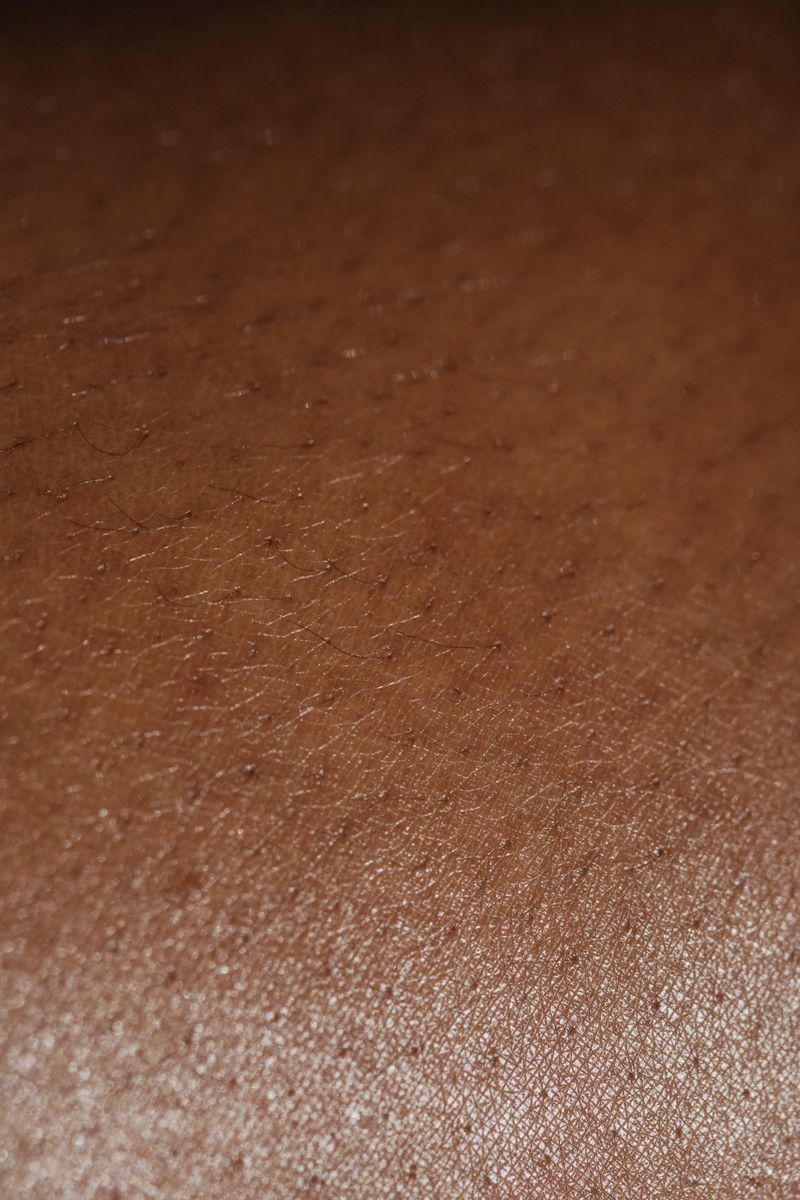
Insulin resistance sometimes leaves a mark you can see. Acanthosis nigricans shows up as dark, thickened, velvety-feeling patches of skin, most often on the back and sides of the neck, the armpits, the groin, and under the breasts. On Black skin it can be mistaken for dirt or a hygiene issue, which it is not, and scrubbing will not remove it.
These patches are linked to elevated insulin levels and can appear alongside obesity, prediabetes, or diabetes. They are a prompt to get your blood sugar checked. The encouraging part: when the underlying insulin resistance improves through weight loss, activity, and a better diet, the patches often fade and can clear substantially. We cover this in depth in what a dark neck on Black skin can mean, and the related pattern of belly weight and insulin resistance in Black women.
Get tested
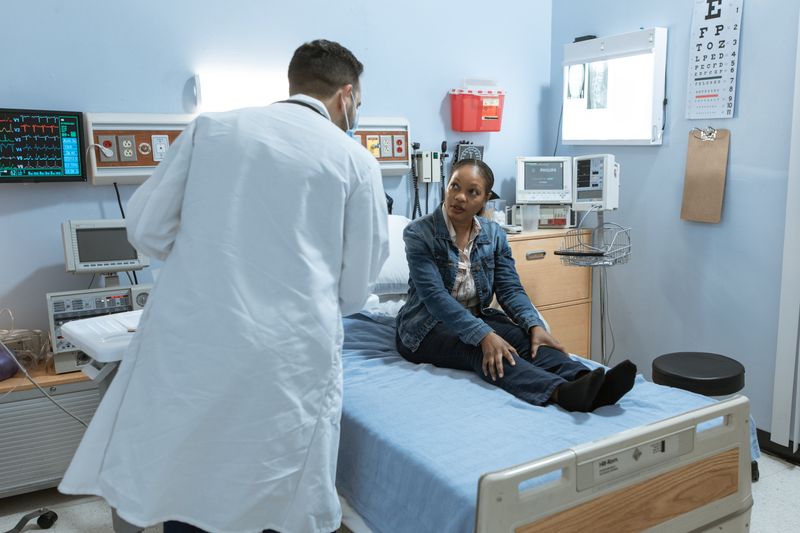
Because prediabetes is silent, testing is the only way to know. Ask your clinician for an A1c or fasting glucose, especially if you are 35 or older, carry extra weight (particularly around the middle), have a family history of diabetes, had gestational diabetes, or notice acanthosis nigricans. A simple blood draw answers the question.
If your number lands in the prediabetes range, that is information, not a sentence. It is the early-warning stage where the evidence for changing the outcome is strongest. If you need a clinician who takes your concerns seriously, you can find a provider through our directory.
Frequently asked questions
What A1c level is prediabetes? ▼
An A1c of 5.7 to 6.4 percent is prediabetes. Below 5.7 percent is normal, and 6.5 percent or higher on a repeat test indicates diabetes. Within the prediabetes range, the higher your A1c, the higher your risk of progressing.
Can prediabetes be reversed permanently? ▼
You can return your A1c and glucose to the normal range, which is what reversing prediabetes means in practice. It is not a permanent cure: the improvement depends on continuing the weight, activity, and food changes that produced it. Sustained habits produce sustained results.
How much weight do I need to lose? ▼
In the Diabetes Prevention Program, a 7 percent weight loss, combined with 150 minutes of activity a week, cut the risk of developing diabetes by 58 percent. For a 200-pound person, 7 percent is about 14 pounds. Modest, maintained weight loss is the target.
Should I take metformin for prediabetes? ▼
Metformin reduced diabetes risk by 31 percent in the DPP and may be recommended, especially with a higher BMI, an A1c above 6.0 percent, or a history of gestational diabetes. It works alongside lifestyle change, not instead of it. Discuss it with your clinician.
Is prediabetes more serious for Black adults? ▼
Black adults have a higher prevalence of prediabetes and are more likely to develop and die from type 2 diabetes than the overall population. That makes the prediabetes window, where risk is most reversible, especially worth acting on.