RSV, respiratory syncytial virus, is a common seasonal virus that gives older kids and adults a cold. In a baby, especially one under 6 months or born early, it can fill the small airways with mucus and make breathing hard. That is why RSV is the leading cause of infant hospitalization in the United States. Two new tools approved in 2023, a single antibody shot for the baby and a vaccine given during pregnancy, now cut the risk of severe RSV by most of what it was. The catch: Black infants are getting them less often than other babies. This guide covers the warning signs to watch for, the emergency signs that mean call now, and the exact questions to ask your baby's clinician.
What RSV does to a baby
Most people catch RSV by age 2, and for them it looks like a runny nose, a cough, and maybe a low fever. In a baby, the same virus can travel down into the lungs and inflame the bronchioles, the smallest airways. The CDC names RSV the most common cause of bronchiolitis and pneumonia in children younger than 1. Babies have narrow airways to begin with, so the swelling and mucus that an older child shrugs off can leave an infant working hard for every breath.
The youngest babies are at the highest risk. The CDC flags infants under 6 months, those born premature, and those with chronic lung disease or congenital heart disease as the groups most likely to be hospitalized. In a very young infant, RSV does not always look like a chest cold at first. The CDC notes that the only symptoms may be irritability, less activity, eating or drinking less, and pauses in breathing.
The symptoms, from a cold to an emergency
RSV usually starts like any other cold: a stuffy or runny nose, a cough, a little fussiness, sometimes a fever. For most babies it stays there and clears in a week or two. Watch the breathing, because that is where RSV turns serious. The warning signs are a faster cough, faster breathing, and feeding that drops off because a baby who is working to breathe cannot also nurse or take a bottle well.
The signs that mean a baby is in trouble are about effort and color. Trouble breathing shows up as short, fast breaths, the chest or the spaces between the ribs pulling in with each breath (retractions), nostrils flaring open, the head bobbing, or a grunting sound at the end of each breath. In the youngest infants, RSV can cause apnea, pauses in breathing that last more than 10 seconds. Fewer wet diapers, a dry mouth, and no tears point to dehydration from poor feeding. Any of these means the baby needs to be seen.
Checking color on dark skin
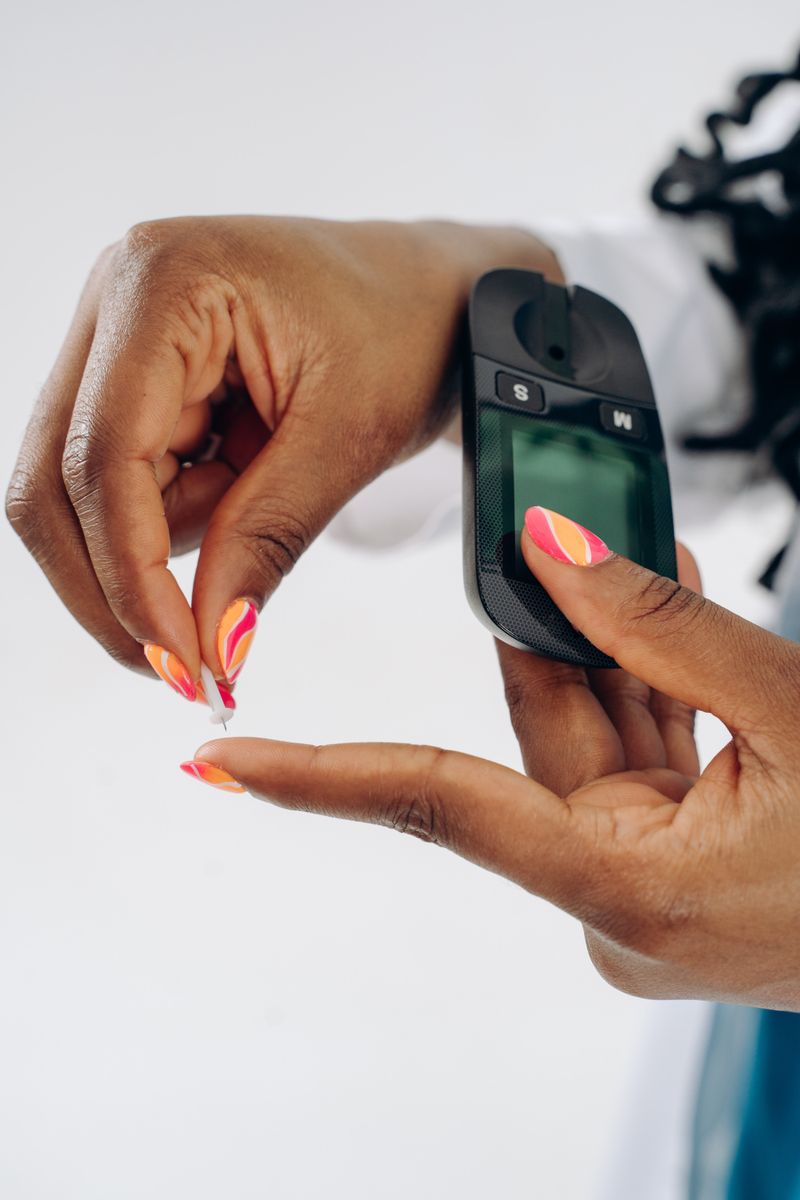
The classic emergency sign is a bluish or gray tint to the skin, called cyanosis, which signals the blood is low on oxygen. On dark skin that blue color is far harder to see, and waiting for it on the fingertips can cost time. Check inside the mouth instead: the lips, the gums, and the tongue turn pale, gray, or dusky when oxygen is low. The same caution applies to the device clipped on a finger. A 2020 study in the New England Journal of Medicine found pulse oximeters overestimate oxygen levels nearly three times as often in Black patients as in white patients, so a reassuring number on the monitor does not rule out low oxygen. Trust what your baby's breathing and color tell you, and say so out loud to the clinician.
Whatever brought you to this page, community health centers see patients regardless of insurance and charge on a sliding scale that is often $0. Our directory of free and charitable clinics lists centers by state. A same-day telehealth visit is self-pay and is not billed to Medicaid, so if you have Medicaid the clinic route will usually cost less. If you would rather see a clinician online today:

See a doctor online today.
- Same-day video visits from $34
- Price shown before you book
- No insurance needed
 with Sesame Care
Affiliate link, we may earn a commission at no extra cost to you.
The big prevention news: two new shots
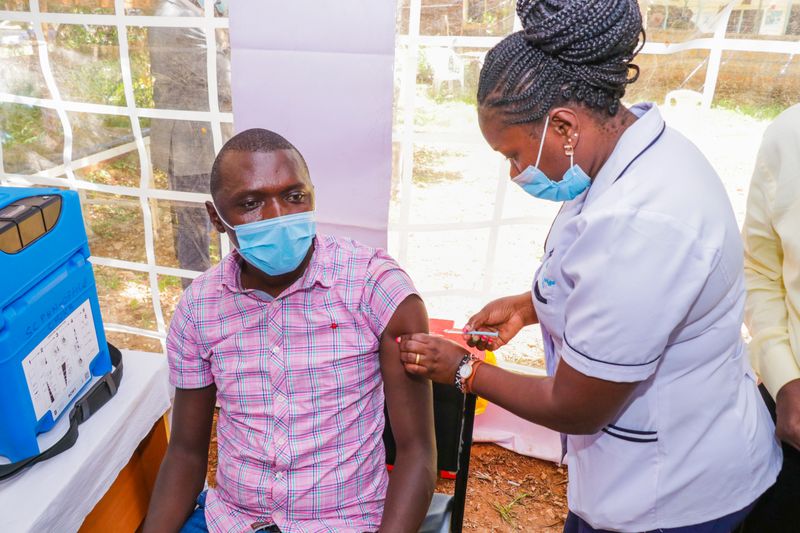
In 2023 the prevention picture changed. The CDC now recommends that every baby be protected for their first RSV season one of two ways: a shot given to the baby, or a vaccine given to the mother during pregnancy. Most babies need only one of the two.
Nirsevimab (brand name Beyfortus) is a one-dose protective antibody shot for the baby, given to infants entering their first RSV season and to some high-risk toddlers in their second. It is not a vaccine; it delivers ready-made antibodies that start working right away. In the MELODY trial, published in the New England Journal of Medicine in 2022, a single dose cut medically attended RSV lower-respiratory infections by 74.5 percent in healthy late-preterm and term infants.
The maternal RSV vaccine (brand name Abrysvo) is given to the pregnant parent at 32 through 36 weeks, in the fall and winter, so antibodies pass to the baby before birth. In the MATISSE trial, also in the New England Journal of Medicine in 2023, it was about 82 percent effective against severe RSV lower-respiratory illness in a baby's first 90 days and about 69 percent through 180 days. The American College of Obstetricians and Gynecologists endorses it during RSV season. A baby whose parent got the vaccine usually does not need the antibody shot too.
Why this is an equity issue, and what to ask
The tools work. The gap is in who gets them. National surveillance of the 2023-2024 season found RSV protection lowest among infants born to Black mothers, around 70 percent, compared with about 87 percent for infants of Asian mothers. One children's hospital found that in the first season, white infants got nirsevimab on time far more often than Black infants, 73 percent versus 45 percent, and that babies on government insurance and families who spoke a language other than English were also behind. These are access and offer gaps, not parenting failures, and the fix often comes down to making sure the shot is offered and given on schedule.
The Medicaid picture sharpens the point. A national analysis of hospital data from 2018 to 2020 found that about 60 percent of US infant RSV hospitalizations were among babies covered by Medicaid, and that a larger share of the RSV hospital burden for Black, Hispanic, Native American, and Asian or Pacific Islander infants fell on Medicaid-covered families than it did for white infants. Both shots are covered for eligible children, including through the Vaccines for Children program, so cost should not be the barrier it once was. The barrier is whether the shot gets offered, stocked, and given on time.
Two questions close the gap. If you are pregnant in the fall or winter, ask your obstetrician: am I due for the RSV vaccine, and should I get it now or wait so my baby gets the antibody shot instead? After the baby is born, ask the pediatrician: does my baby need nirsevimab this season, and can we give it today? If a clinic says it is out of stock, ask where to get it, and follow up rather than letting the season pass.
Everyday prevention and how RSV is treated
The shots do the heavy lifting, but the basics still matter, especially for a newborn in peak season from fall through spring. Wash hands before holding the baby, and ask visitors to do the same. Keep anyone with a cold or cough away from a young infant. Keep the baby away from cigarette and vape smoke, which damages the airways and worsens RSV. Breastfeeding passes along antibodies and is linked to fewer severe respiratory infections.
There is no antiviral that cures RSV, and antibiotics do nothing against it because RSV is a virus, not a bacterium. Care for a sick baby is about comfort and breathing: keep fluids up in small frequent feeds, clear the nose with saline drops and gentle suction so the baby can eat and breathe, and watch the breathing closely. Babies who need the hospital get supportive care, extra oxygen, IV fluids if they cannot drink enough, and in severe cases a breathing tube. The CDC reports most improve with this care and go home in a few days.
How to get care
A pediatrician who knows your baby and listens when you describe a change in breathing is the front line of RSV care, and a clinician your family trusts is more likely to offer the new shots and answer your questions plainly. You can find a Black pediatrician in our directory. While you have a clinician's attention, two related conditions are worth a conversation if they run in your family: how to recognize and manage asthma in Black children, which can follow severe early RSV, and ear infections in Black children, a common complication of the same season's colds.
Frequently asked questions
How do I know if my baby's RSV is serious? ▼
Watch the breathing and the feeding. Fast or labored breathing, ribs or the skin between them pulling in, flaring nostrils, grunting, or pauses in breathing are emergencies. So is feeding far less and making fewer wet diapers. Because a bluish tint is hard to see on dark skin, check the lips, gums, and tongue for a pale, gray, or dusky color. Any of these means get care now.
Is the RSV shot a vaccine? ▼
There are two different tools. Nirsevimab (Beyfortus) given to the baby is a monoclonal antibody, not a vaccine: it delivers ready-made antibodies that protect right away. The maternal RSV vaccine (Abrysvo) is a true vaccine given during pregnancy so the parent's body makes antibodies that pass to the baby. Most babies need only one of the two.
If I got the RSV vaccine in pregnancy, does my baby still need the antibody shot? ▼
Usually no. The CDC says most babies do not need both. If you received the maternal vaccine at the right time in your pregnancy, your baby is generally considered protected and does not also need nirsevimab. Confirm the timing with your pediatrician, because babies born soon after vaccination or in certain high-risk situations may still be advised to get the shot.
Are the RSV shots covered by insurance and Medicaid? ▼
Yes. Both the maternal vaccine and nirsevimab are recommended by the CDC, which means they are covered by Medicaid and most private insurance, and nirsevimab is available at no cost to eligible children through the federal Vaccines for Children program. If a clinic says it is out of stock, ask where else you can get it rather than skipping it.
Why are Black babies more likely to miss the RSV shots? ▼
The gap is about access, not parenting. National data from the first seasons found RSV protection lowest among infants born to Black mothers, and one hospital found Black infants and those on government insurance got the shot on time far less often than white infants. The fix is making sure the shot is offered, stocked, and given on schedule, so ask for it by name and follow up if it is not available the first time.
Do antibiotics help with RSV? ▼
No. RSV is a virus, and antibiotics only work on bacteria. Treatment is supportive: fluids in small frequent feeds, saline drops and gentle suction to clear the nose, and close watching of the breathing. Babies who need the hospital get oxygen, IV fluids, and breathing support if needed, and most go home within a few days.