What PCOS actually is
PCOS is a hormone and metabolic condition. The ovaries make higher-than-typical levels of androgens (hormones like testosterone that all bodies have in some amount), ovulation becomes irregular or stops, and the body often handles insulin less efficiently. The American College of Obstetricians and Gynecologists describes PCOS as affecting the whole body, not just the reproductive system, and notes it raises the risk of type 2 diabetes, cardiovascular disease, and endometrial (uterine lining) overgrowth over a lifetime.
It is common. Depending on the diagnostic criteria used, PCOS affects roughly 5 to 13 percent of women of reproductive age. That makes it one of the conditions a primary care doctor or gynecologist should keep in mind when periods are irregular. You can read the clinical overview on our PCOS condition page.
The symptoms to watch for
PCOS shows up differently from person to person, but the common signs cluster together:
- Irregular, infrequent, or absent periods. Cycles longer than 35 days, fewer than eight periods a year, or months with no period at all point to irregular ovulation.
- Excess hair growth (hirsutism). Coarse, dark hair on the face, chin, chest, or abdomen driven by higher androgens.
- Acne that is persistent and often along the jaw and lower face.
- Scalp hair thinning in a male-pattern distribution at the crown or temples.
- Weight changes, particularly weight that settles around the midsection and is hard to shift.
- Infertility or difficulty getting pregnant, because ovulation is irregular.
- Acanthosis nigricans: velvety, darkened, thickened skin in body folds such as the back of the neck, armpits, or groin.
That last sign matters. Acanthosis nigricans is a visible clue of insulin resistance, the metabolic process at the center of many PCOS cases. On brown and Black skin it can be mistaken for poor hygiene or dirt and dismissed, when it is actually a flag worth raising with a clinician. We cover the insulin-resistance side of this in detail in belly weight and insulin resistance in Black women.
Why Black women are diagnosed later, and why it carries more risk
Two things are true at once, and both deserve plain language.
First, the diagnosis arrives late more often. A 2025 study in The Journal of Clinical Endocrinology & Metabolism of more than 200,000 patients found that Black women had about 1.7 times higher odds of a missed PCOS diagnosis compared with non-Hispanic white women (adjusted odds ratio 1.69; 95% CI 1.28 to 2.24). Missed diagnoses were also more likely for women on Medicaid or charity insurance and for non-English speakers. A delayed diagnosis means years without treatment that could have lowered long-term risk.
Second, the stakes are higher once PCOS is present. A study of 519 women with PCOS found that Black women with PCOS had significantly higher rates of low HDL ("good") cholesterol and high blood glucose after adjusting for age and body weight, and that overall cardiovascular disease risk was significantly elevated in Black adults with PCOS. Among Black adolescents with PCOS, metabolic syndrome was about 2.6 times more common than in white adolescents with PCOS. A 2023 review in Fertility and Sterility reached a consistent conclusion: pooled US data show Black women with PCOS tend to have higher fasting insulin and higher rates of developing metabolic syndrome over time, in one cohort 28 percent versus 12 percent in white women.
The honest caveat: the science on insulin resistance specifically is mixed. At least one large multicenter study found no significant difference in insulin-resistance measures between Black and white women with PCOS once other factors were accounted for. The dependable takeaway is the downstream risk picture, metabolic syndrome and cardiovascular disease, where the disparity is consistent and the response is the same regardless: screen early and treat the metabolic side seriously.
Community health centers and OB-GYN clinics diagnose PCOS on a sliding scale, ordering the same hormone panel and ultrasound a paid service would refer you out for anyway. Our directory of free and charitable clinics lists centers by state. A same-day telehealth visit is self-pay and is not billed to Medicaid, so book the clinic workup first. If you want a telehealth visit sooner:

Sesame Care
Online PCOS treatment with a licensed clinician. Prices are shown before you book.
Start PCOS treatmentAffiliate link, we may earn a commission at no extra cost to you.
How PCOS is diagnosed
There is no single PCOS blood test. Clinicians use the Rotterdam criteria, which require at least two of these three findings:
- Ovulatory dysfunction: irregular, infrequent, or absent periods.
- Hyperandrogenism: clinical signs such as hirsutism or acne, or blood tests showing elevated androgens.
- Polycystic ovaries on ultrasound, or, under the 2023 international guideline, an elevated anti-Mullerian hormone (AMH) blood level can be used in adults in place of ultrasound.
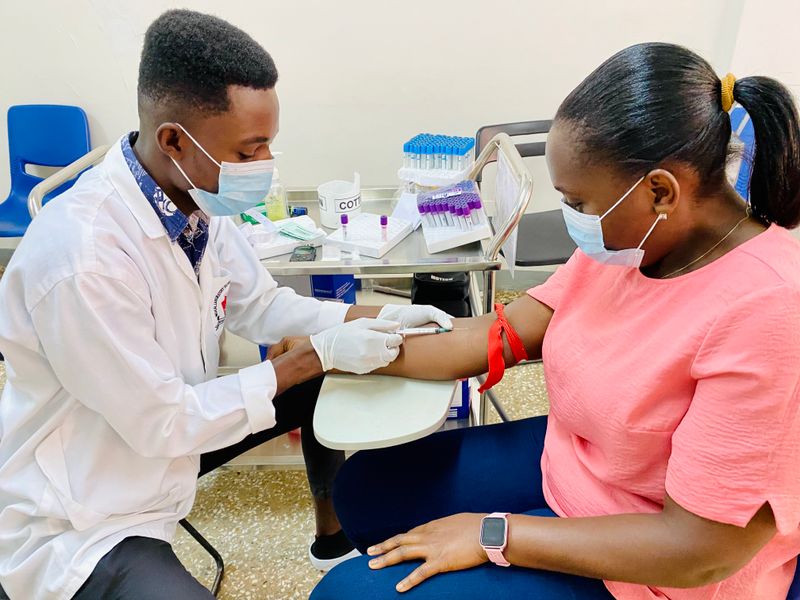
Crucially, a PCOS diagnosis also requires ruling out other causes of the same symptoms, including thyroid disease, high prolactin, and non-classic congenital adrenal hyperplasia. A reasonable workup includes a menstrual history, a check for signs of high androgens, blood tests (androgens, thyroid, prolactin, glucose or A1c, and a lipid panel given the metabolic risk), and a pelvic ultrasound or AMH where appropriate. PCOS is also strongly tied to insulin resistance: the CDC notes that more than half of women with PCOS develop type 2 diabetes by age 40, which is part of why the metabolic workup matters. If a clinician brushes off irregular periods or visible symptoms without this evaluation, it is fair to ask for it directly.
If you need a clinician who will take the full picture seriously, our provider directory lists practitioners by specialty and location.
What actually helps
Treatment targets the symptoms that matter most to you and the metabolic risk underneath. The 2023 International Evidence-based Guideline for the Assessment and Management of PCOS, the most current global standard, is the basis for what follows.
Lifestyle is the foundation. The guideline recommends lifestyle intervention for all women with PCOS to improve metabolic health, including central body fat and lipid profile. This is not about a number on a scale; it is about insulin sensitivity, blood pressure, and cholesterol.
Metformin is recommended for adults with PCOS and a BMI of 25 or higher to improve weight and metabolic outcomes. Its gastrointestinal side effects are usually dose-dependent and ease over time, with a typical maximum of 2.5 g per day in adults. Given the metabolic risk profile in Black women, metformin is often a central part of the plan.
GLP-1 medications (anti-obesity medications including liraglutide and semaglutide) can be considered alongside active lifestyle changes for weight management in PCOS. Because pregnancy-safety data are lacking, effective contraception is essential while using them if pregnancy is possible. If you are weighing this route, see our guide to online GLP-1 care.
For periods and androgen symptoms, combined oral contraceptive pills are recommended to manage irregular cycles and hirsutism, with shared decision-making about preparation and any contraindications. Regular cycles also protect the uterine lining against the endometrial overgrowth ACOG flags.
For specific symptoms, acne and hirsutism can be treated directly with topical and other dermatologic options layered on top of hormonal treatment.
Fertility
PCOS is a leading cause of ovulation-related infertility, and it is treatable. Letrozole is the first-line medication for ovulation induction in women with PCOS and no other infertility factors, ahead of clomiphene; gonadotropins or ovarian surgery are second-line options. Many women with PCOS conceive with this kind of support, so an irregular-cycle history is a reason to start the conversation early, not a verdict.
What to ask your clinician
- "My periods are irregular and I have [acne / excess hair / midsection weight gain / dark skin patches]. Could this be PCOS, and can we evaluate for it?"
- "Can we run androgen levels, thyroid, prolactin, an A1c or glucose, and a lipid panel?"
- "Given the higher metabolic and heart risk with PCOS, what is our plan to monitor and lower it?"
- "Is metformin appropriate for me, and where do GLP-1 medications fit?"
- "If I want to conceive, can we talk about letrozole?"
Frequently asked questions
Does PCOS always cause weight gain? ▼
No. PCOS occurs across the full weight range, and people of normal weight can have it. Body weight is not part of the Rotterdam diagnostic criteria; the diagnosis rests on ovulation, androgen signs, and ovarian or AMH findings. That said, weight that concentrates around the midsection is a common feature linked to the metabolic side of PCOS.
Can you have PCOS with regular periods? ▼
Yes. The Rotterdam criteria require only two of three findings, so a person with high androgens and polycystic ovaries on ultrasound can meet the definition even with reasonably regular cycles, once other causes are excluded.
Is PCOS curable? ▼
There is no cure, but it is highly manageable. Lifestyle changes, metformin, hormonal treatment, and fertility medications address symptoms and lower long-term metabolic and cardiovascular risk. Because of the higher cardiometabolic risk in Black women with PCOS, ongoing management matters even when symptoms feel mild.
Does PCOS raise the risk of diabetes and heart disease? ▼
Yes. ACOG notes that insulin resistance in PCOS raises the risk of type 2 diabetes and cardiovascular disease, and evidence shows that risk is higher still for Black women with PCOS. This is the main reason early diagnosis and metabolic treatment are worth pushing for.