Why "always tired" gets dismissed, and why that is wrong
If you have told a provider you are exhausted and been waved off with "you are stressed" or "you are a busy woman," you are not imagining the gap. Fatigue is a vague symptom, and vague symptoms in Black women are frequently undertreated. But fatigue is also one of the body's most reliable early warnings. The causes below are common, testable, and treatable. The goal of this article is to hand you the specific language and tests that move you from "tired all the time" to an actual diagnosis.
Iron-deficiency anemia (and the heavy-period and fibroid link)
When your body does not have enough iron to make healthy red blood cells, less oxygen reaches your tissues, and the first thing you feel is tiredness. The National Heart, Lung, and Blood Institute lists fatigue and tiredness among the core symptoms of iron-deficiency anemia, and names heavy menstrual periods as a leading cause of the blood loss behind it.
This is where the disparity bites. Black women are far more likely to have uterine fibroids, which commonly cause heavy bleeding, and heavy bleeding drains iron month after month. Research in premenopausal African American women links heavier self-reported menstrual bleeding to measurable iron deficiency and anemia. If your periods are heavy, your fatigue and your bleeding are probably the same story. If you also have heavy or prolonged periods, read our guide to fibroids in Black women, because treating the source of the bleeding is often what finally fixes the fatigue.
The fix is usually straightforward once it is found: iron repletion, and addressing the bleeding. The tests to ask for are a CBC and, critically, ferritin, because ferritin can be low (signaling depleted iron stores and real fatigue) before the CBC ever turns "anemic."
Thyroid disease
An underactive thyroid (hypothyroidism) slows the body's metabolism, and profound fatigue is one of its hallmark symptoms. The Office on Women's Health lists fatigue, feeling cold, weight gain, constipation, and depression among hypothyroidism symptoms, and notes that women are far more likely than men to develop Hashimoto's disease, the most common cause.
Thyroid disease is easy to miss because the symptoms (tiredness, weight changes, low mood, hair and skin changes) overlap with so many other things and with everyday life. The single most useful test is TSH. If your fatigue comes with cold intolerance, dry skin, hair thinning, or unexplained weight gain, ask for it.
Vitamin D deficiency
Vitamin D deficiency is more common in people with more melanin, because melanin reduces the skin's ability to make vitamin D from sunlight. The NIH Office of Dietary Supplements states this directly and reports that Black Americans typically have lower vitamin D levels than white Americans, with 17.5% of non-Hispanic Black people at risk of deficiency compared with 2.1% of non-Hispanic white people.
Fatigue is a frequently reported symptom of low vitamin D. The honest caveat: the long-term clinical significance of lower vitamin D levels in people with darker skin is still debated, and Black Americans have lower rates of fractures and osteoporosis than white Americans. That nuance does not make your tiredness less real. It means vitamin D is worth checking with a 25-OH vitamin D blood test, and worth correcting if low, while not assuming it is the whole answer.
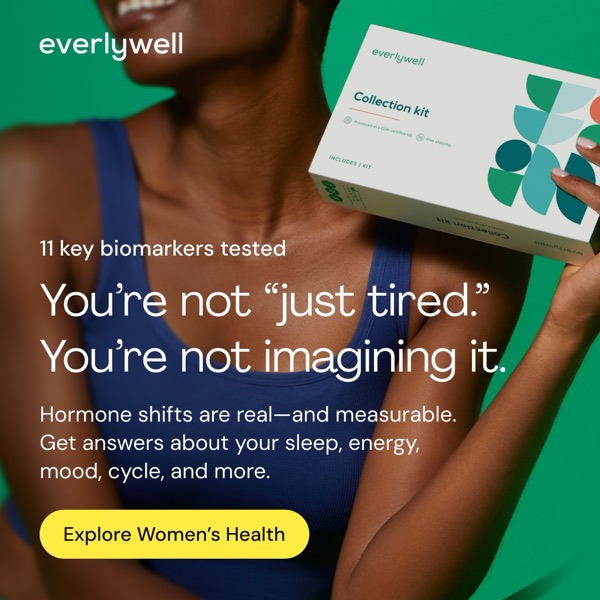
Community health centers order thyroid panels on a sliding scale that is often $0, and your regular primary care doctor can order the same panel if you have coverage. Our directory of free and charitable clinics lists centers by state. An at-home thyroid test is self-pay and is not billed to Medicaid, so the clinic route usually costs less. If you would rather test at home:

Everlywell
An at-home thyroid panel measuring TSH and related hormones from a finger-prick sample, with results in the Everlywell app.
Order an at-home thyroid testAffiliate link, we may earn a commission at no extra cost to you.
Lupus
Lupus (systemic lupus erythematosus, or SLE) is an autoimmune disease in which the immune system attacks the body's own tissues, and extreme fatigue is one of its most common and most disabling features. It matters enormously here because lupus disproportionately affects Black women.
The Lupus Foundation of America reports that lupus is two to three times more prevalent among African American women than white women. The population-based Georgia Lupus Registry found that Black women had an SLE incidence rate nearly three times higher than white women, and a striking prevalence of about 196 per 100,000. The disease also runs more severe: a CDC analysis in Georgia found Black patients died of lupus at a younger age, with a mean age at death of roughly 52 years compared with 64 to 65 years in white patients.
So if your fatigue comes with joint pain, a facial or sun-triggered rash, hair loss, mouth sores, or fevers, lupus belongs on the list. The screening test to ask for is an ANA (antinuclear antibody). Our lupus condition page explains the full symptom picture and what diagnosis involves.
Sleep apnea
If you sleep a full night and still wake up exhausted, obstructive sleep apnea (OSA) may be the cause. In OSA the airway repeatedly collapses during sleep, fragmenting rest and leaving you with daytime fatigue, sleepiness, and brain fog even when the clock says you slept enough.
OSA is badly underdiagnosed in Black adults. In the Jackson Heart Sleep Study, an African American population, only about 4 to 5% of participants had been diagnosed with clinically significant OSA despite high underlying prevalence, a gap driven by access barriers rather than milder disease. Loud snoring, witnessed pauses in breathing, gasping awake, and morning headaches are clues. The next step is a sleep study, which can often be done at home.
Depression
Depression is not only sadness. Fatigue, loss of energy, and trouble concentrating are core symptoms, and for many Black women depression shows up more through physical exhaustion, irritability, and emptiness than through visible tears. The National Institute of Mental Health reports that past-year major depressive episodes are more common in adult women (10.3%) than men (6.2%).
Depression in Black women is frequently underdiagnosed and undertreated, partly because the symptom presentation does not always match what standard screenings look for. If your tiredness comes with loss of interest, changes in sleep or appetite, hopelessness, or trouble functioning, that is a medical symptom worth naming to a provider, and it is treatable.
Diabetes
Type 2 diabetes can cause persistent fatigue when the body cannot use blood sugar efficiently. The NIDDK lists fatigue directly among common diabetes symptoms, alongside increased thirst, frequent urination, blurred vision, and slow-healing sores.
This matters for Black women specifically: diagnosed diabetes prevalence is 12.1% among non-Hispanic Black adults versus 6.9% among non-Hispanic white adults. If your fatigue comes with increased thirst, frequent urination, or blurry vision, ask for an A1c. Our type 2 diabetes condition page covers symptoms, testing, and what the numbers mean.
Tests to ask for by name
You can walk into an appointment and ask for these directly. They are standard, inexpensive, and cover the most common causes above:
- CBC with ferritin: screens for anemia and, via ferritin, for low iron stores that cause fatigue before anemia appears.
- TSH: screens for thyroid disease, especially hypothyroidism.
- 25-OH vitamin D: checks for vitamin D deficiency.
- ANA (antinuclear antibody): screens for lupus and other autoimmune disease when fatigue comes with joint pain, rashes, or fevers.
- A1c: screens for diabetes and prediabetes.
If your provider declines a reasonable test, ask them to document why in your chart. That single request often changes the conversation. To find a clinician who listens, browse our provider directory.
Frequently asked questions
Can heavy periods really make me this tired? ▼
Yes. Heavy menstrual bleeding is a leading cause of iron-deficiency anemia, and fatigue is one of anemia's most common symptoms. In Black women, heavy bleeding is often driven by fibroids, and studies link heavier periods to measurable iron deficiency and anemia. Treating the bleeding and replacing iron usually resolves the fatigue.
Why is lupus a bigger concern for Black women? ▼
Lupus is two to three times more prevalent in Black women than white women, and it tends to appear younger and run more severe. A CDC analysis found Black lupus patients died about 13 years younger on average than white patients. Extreme fatigue is a core lupus symptom, so unexplained exhaustion plus joint pain or rashes is worth an ANA test.
My thyroid test was "normal" but I am still exhausted. What now? ▼
A normal TSH makes thyroid disease less likely but does not rule out the other causes on this list. Ask about a CBC with ferritin, vitamin D, A1c, and, if you have joint or skin symptoms, an ANA. Fatigue often has more than one contributor.
Could it just be depression? ▼
Depression is a real, common, and treatable cause of fatigue, and in Black women it often shows up as physical exhaustion and irritability rather than obvious sadness. It is also frequently underdiagnosed. It is worth taking seriously, and it is worth ruling out the physical causes at the same time, since they can coexist.
Is vitamin D the answer if I run low? ▼
Low vitamin D is common with more melanin and can contribute to fatigue, so it is worth checking and correcting. But the clinical significance of lower vitamin D in people with darker skin is still debated, so do not assume it is the only cause. Get the full panel.