The hypothyroid signs: dry, slow, and cold
When the thyroid is underactive, your whole metabolism slows down, and the skin, hair, and nails are usually where you notice it first.
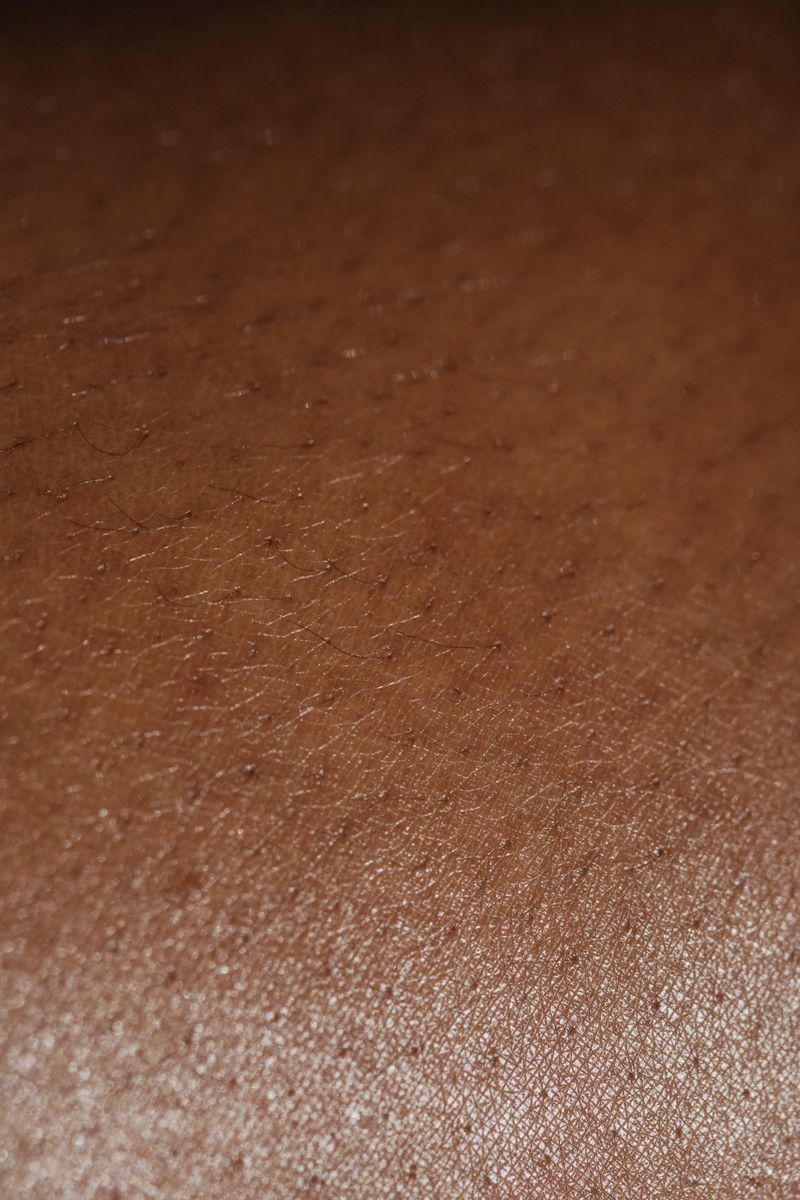
The most common skin change is xerosis cutis: excessively dry, scaly, rough skin. On deeper skin tones this can read as ashiness that does not resolve with lotion, or a dull, flaky surface across the shins and arms. Skin can also take on a yellowish cast from carotene buildup, which, unlike jaundice, spares the whites of the eyes. The face can look puffy, with a non-pitting, doughy, waxy swelling around the eyes and cheeks.
Hair becomes dry, brittle, and coarse, and a classic sign is thinning or loss of the outer third of the eyebrow (madarosis). Hair loss overall is common: the American Thyroid Association reports it in roughly 30 percent of people with an underactive thyroid, and dry skin in about 63 percent. Nails turn fragile, brittle, thickened, and slow-growing.
Beyond the skin, the underactive-thyroid picture includes persistent fatigue, trouble tolerating cold, weight gain, joint and muscle aches, heavy or irregular periods, a slowed heart rate, and depression. Per the NIDDK, women are much more likely than men to develop an underactive thyroid, and the symptoms build so gradually that they are easy to write off as stress or aging.
The hyperthyroid signs: warm, fast, and sweaty
An overactive thyroid is the mirror image. The skin is warm, smooth, and moist, often with excessive sweating (hyperhidrosis), and you feel hot when others are comfortable. Hair turns fine and soft and can shed in a diffuse, non-scarring pattern.
The nails can lift away from the nail bed at the tip, a change called onycholysis or Plummer's nails. In Graves' disease specifically, some people develop pretibial myxedema, raised pink or purple plaques on the shins with an orange-peel texture.
The rest of the hyperthyroid picture: a racing or irregular heartbeat, weight loss despite a normal or bigger appetite, hand tremor, anxiety and irritability, trouble sleeping, more frequent bowel movements, and lighter or less frequent periods. Graves' disease can also cause eye pain or bulging.
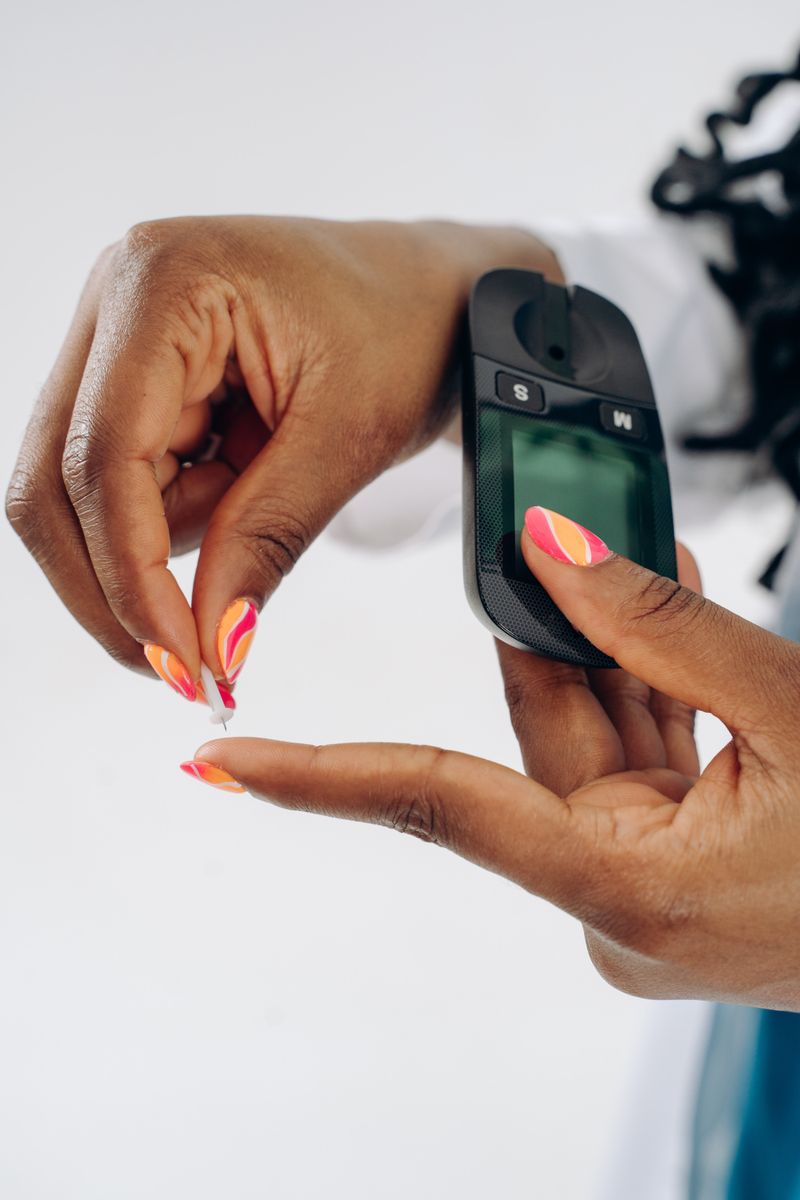
Community health centers order thyroid panels on a sliding scale that is often $0, and your regular primary care doctor can order the same panel if you have coverage. Our directory of free and charitable clinics lists centers by state. An at-home thyroid test is self-pay and is not billed to Medicaid, so the clinic route usually costs less. If you would rather test at home:
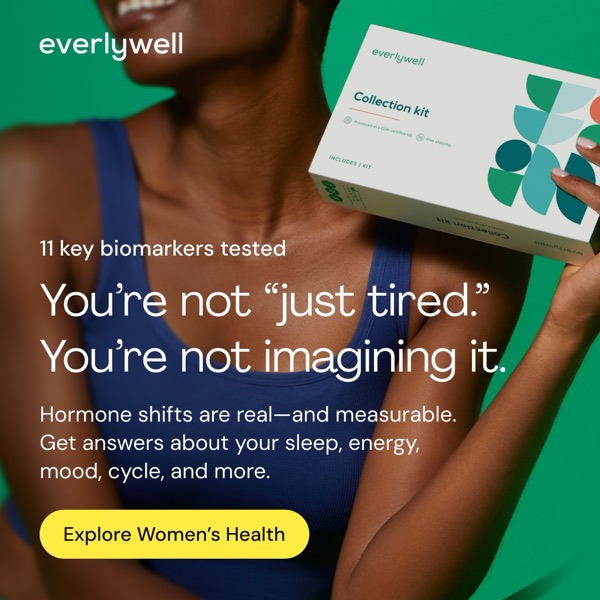

Everlywell
An at-home thyroid panel measuring TSH and related hormones from a finger-prick sample, with results in the Everlywell app.
Order an at-home thyroid testAffiliate link, we may earn a commission at no extra cost to you.
Hair specifics for Black women
Diffuse thinning from an underactive thyroid spreads across the whole scalp rather than carving out a single bald spot, and it commonly weakens the hairline and the edges along with the rest of the hair. That matters in textured hair because edge thinning and overall fragility get blamed on styling, heat, or product before anyone checks the thyroid.
It also matters because the most common scarring hair loss in women of African descent, central centrifugal cicatricial alopecia (CCCA), starts at the crown and spreads outward, and it can be mistaken for or coexist with thyroid-driven shedding. CCCA is often missed early and takes longer to diagnose than other scarring hair losses, so the right move is to see a board-certified dermatologist who can tell scarring from non-scarring hair loss, and thyroid testing should be part of that workup. If you are also losing the outer edge of your eyebrows, that points specifically toward an underactive thyroid.
You can search our provider directory to find a dermatologist or primary care clinician.
The autoimmune and vitiligo link
Most thyroid disease in women is autoimmune: Hashimoto's thyroiditis, which causes an underactive thyroid, and Graves' disease, which causes an overactive thyroid. Autoimmune conditions travel together, and vitiligo is one of the clearest skin signals.
In a pooled analysis of dozens of studies, about 14 percent of people with vitiligo also had autoimmune thyroid disease, and people with vitiligo had several times higher odds of carrying anti-thyroid peroxidase (anti-TPO) and anti-thyroglobulin antibodies than people without it. On Black skin the white depigmented patches of vitiligo show sharp contrast and are highly visible, which often brings people in to be seen. If you have vitiligo, that visit is the moment to ask for thyroid testing, because the thyroid disease can be silent. You can read more on our vitiligo condition page.
Why it gets missed in Black women
Two things stack up. First, the symptoms are vague: fatigue, dry skin, cold hands, thinning hair, and weight changes get attributed to stress, aging, or hair-care habits long before anyone orders a blood test. Second, the care gap is real and measured. A 2023 review in the Journal of Clinical Endocrinology and Metabolism found that non-White patients have a longer time to referral, present with more advanced disease, and are less likely to receive appropriate treatment, with Black patients showing a higher median time to referral and being more likely to be referred only once symptoms are severe.
The practical takeaway: do not wait to be offered the test. If the skin, hair, and energy signs fit, name them and ask for the blood work directly.
Which test to ask for, and when
Say this to your clinician: "I'd like a TSH test to check my thyroid." Per the American Thyroid Association, TSH is the single best first test, and it often catches a problem before other hormone levels turn abnormal.
The sequence:
- TSH first. This is the screening test. A high TSH points toward an underactive thyroid; a low TSH points toward an overactive one.
- Free T4 next. If TSH is abnormal, free T4 confirms how the gland is actually functioning, and it is especially useful during pregnancy or on birth control, when binding proteins shift.
- Thyroid antibodies (anti-TPO) if an autoimmune cause is suspected. Positive anti-TPO and anti-thyroglobulin antibodies in an underactive thyroid indicate Hashimoto's; a TSH-receptor antibody (TSI) indicates Graves' in an overactive thyroid.
Frequently asked questions
Can a thyroid problem really cause my edges and eyebrows to thin? ▼
Yes. An underactive thyroid causes dry, brittle hair and diffuse thinning, and a recognized sign is loss of the outer third of the eyebrow (madarosis). Thinning that includes the hairline and edges, alongside dry skin and fatigue, is worth a TSH test.
My skin is dry and ashy no matter what I use. Is that thyroid? ▼
It can be. Excessively dry, scaly, rough skin (xerosis cutis) is the most common skin change in an underactive thyroid, and moisturizer alone will not fix it if the thyroid is the cause. Pair persistent dryness with cold intolerance, fatigue, or hair changes, and ask for a TSH test.
I have vitiligo. Should I be tested for a thyroid problem even if I feel fine? ▼
Yes. Vitiligo is strongly associated with autoimmune thyroid disease, which can be silent. Roughly 14 percent of people with vitiligo also have autoimmune thyroid disease, and thyroid antibody positivity is several times more common. Ask for a TSH test and thyroid antibodies.
Is hair loss from a thyroid problem the same as CCCA? ▼
No. Thyroid hair loss is typically diffuse and non-scarring across the whole scalp, while CCCA is a scarring hair loss that starts at the crown and is the most common scarring alopecia in women of African descent. They can overlap, so a dermatologist should sort out which is which, and thyroid testing belongs in that workup.