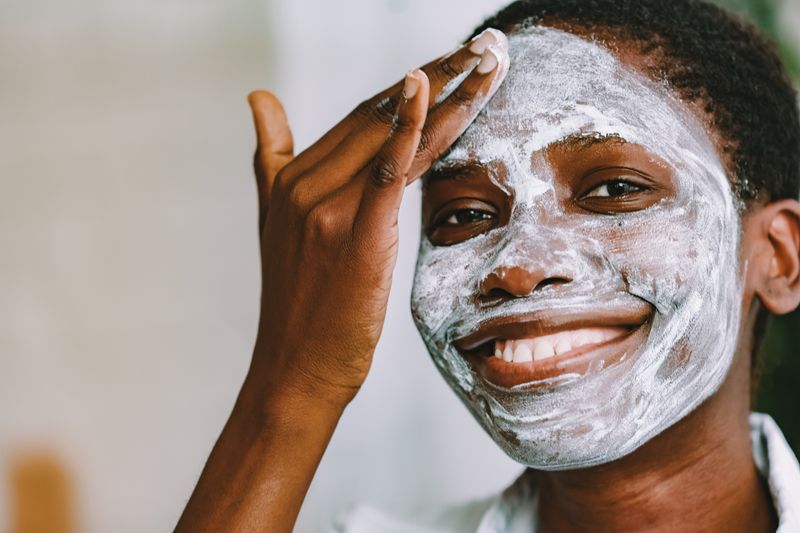
Why ashiness shows up more on Black skin
Ashiness is not a separate condition. It is xerosis, the medical term for dry skin, and the gray or white cast is the appearance of dry, dead skin cells flaking off the surface. On darker skin, that pale scale stands out against deep pigment in a way it never would on light skin, so the same level of dryness simply reads louder.
There is also a real biological reason Black skin gets ashy more easily. Compared with other groups, Black skin has the highest sebum content but the lowest ceramide levels, which makes it "the most susceptible to transepidermal water loss and xerosis." Ceramides are the fatty molecules that seal the skin barrier and hold water in. With fewer of them, water escapes faster and the barrier dries out sooner. Black skin also tends to shed dead cells faster in some areas, linked to higher levels of a desquamatory enzyme called cathepsin L2, which adds to the visible flaking.
Bottom line: ashiness is mostly cosmetic, it responds well to the right care, and reaching for richer moisturizer is not vanity. It is matching the routine to how the skin actually behaves.
Everyday causes
Most ashiness traces back to the environment and habits, not disease. The usual culprits:
- Winter and dry air. Cold outdoor air and heated indoor air both carry less moisture, which pulls water out of the skin. Low humidity is one of the most common dry-skin triggers.
- Hot, long showers. Hot water strips the skin's natural oils. Dermatologists advise keeping baths and showers to five to ten minutes in warm, not hot, water.
- Harsh soaps. Deodorant bars and products with alcohol or fragrance dissolve the barrier lipids that hold moisture in.
- Not moisturizing fast enough. Skin loses water quickly after bathing. If you wait until you are fully dry, you have already lost the window.
The routine that actually works
The fix is consistent, not complicated. Build it around three steps.
1. Cleanse gently. Use a fragrance-free, gentle cleanser rather than a harsh deodorant soap, and apply it mainly where you need it. Keep showers to five to ten minutes in warm water, and pat (do not rub) skin dry.
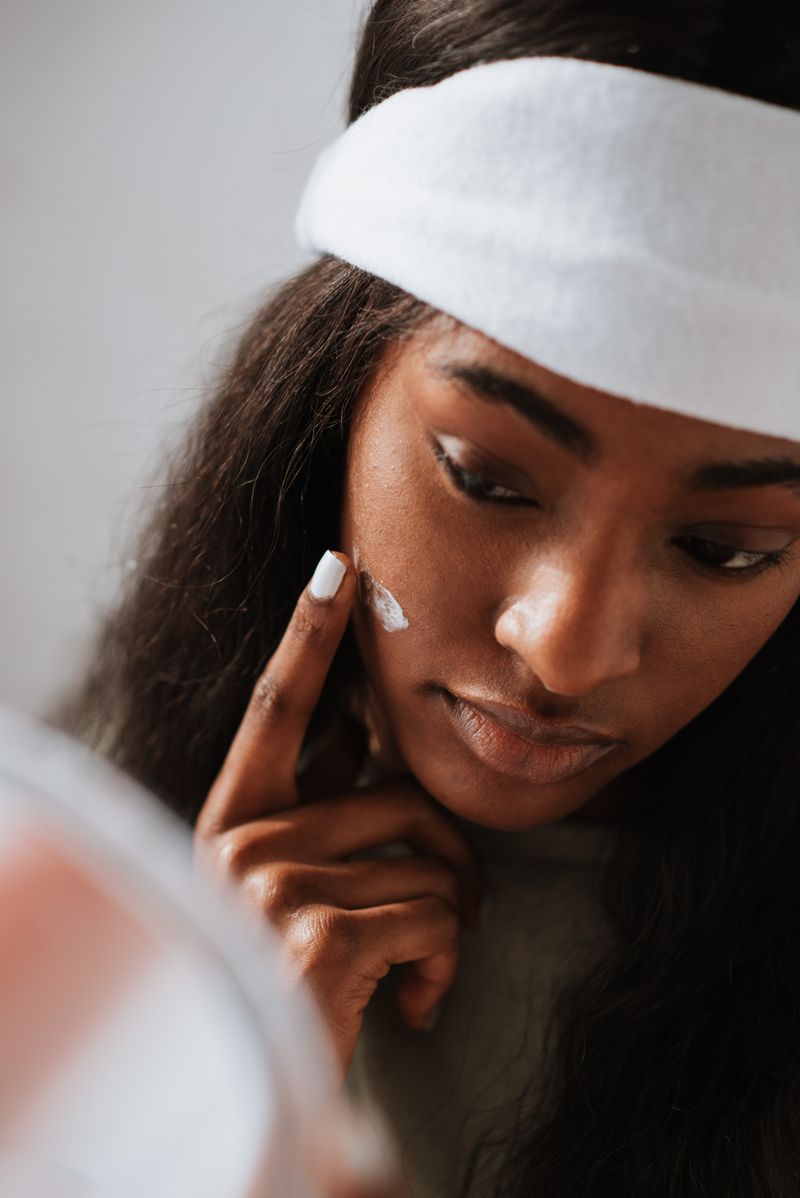
2. Moisturize on damp skin, fast. Apply moisturizer "when your skin is still damp after taking a shower or bath, after washing your hands, and when your skin feels dry." Damp skin gives the product water to seal in. For ashy skin, choose a cream or ointment over a thin lotion, because creams and ointments hold more moisture.
Common skin conditions are treated in primary care, and community health centers charge on a sliding scale that is often $0. Our directory of free and charitable clinics lists centers by state. A same-day telehealth visit is self-pay and cannot be billed to Medicaid or commercial insurance, so the clinic route usually costs less. If you need a prescription sooner than the next appointment:
Prescription skincare from a licensed clinician.
- Online visit and a treatment plan for your skin
- From $59 a month, shown before you book
 with Sesame Care
Affiliate link, we may earn a commission at no extra cost to you.
3. Read the ingredients. The best dry-skin products combine three kinds of ingredients that each do a different job:
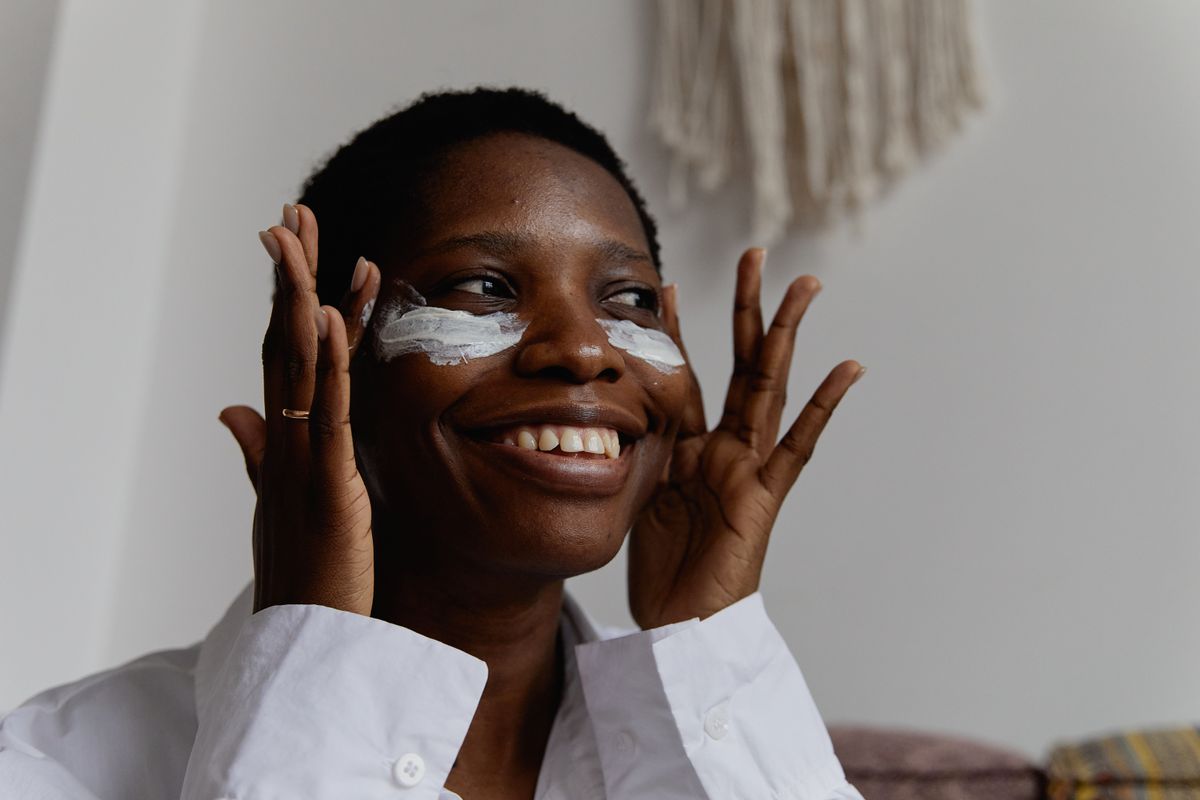
- Humectants like glycerin and hyaluronic acid "attract water to the skin and help to increase its water content." The AAD lists glycerin among effective ingredients for dry skin.
- Occlusives like petrolatum (Vaseline) and mineral oil "form a physical barrier over the skin that reduces water evaporation."
- Emollients like shea butter and ceramides "help to smooth and soften the skin by filling in gaps between skin cells."
Ceramides matter especially for Black skin, since lower natural ceramide levels are part of why the barrier dries out in the first place. A fragrance-free cream that pairs glycerin or hyaluronic acid with shea butter, petrolatum, or ceramides covers all three jobs at once.
Two more habits help: run a humidifier, especially in the bedroom at night, and wear loose cotton rather than wool or scratchy synthetics against dry skin.
If you want a Black dermatologist who understands how dryness and eczema present on Black skin, you can search our provider directory.
Medical causes worth ruling out
Most ashiness is cosmetic. But dryness that does not budge with good moisturizing, or that comes with other symptoms, can be a sign of something systemic. These are the ones worth knowing.
Eczema (atopic dermatitis). A chronic condition that causes "itchy, dry, and inflamed skin." On darker skin it is "more likely to develop small bumps, extremely dry skin, and dark brown, gray, or purple skin" rather than the red rash seen on lighter skin, which means it is often missed or mistaken for plain dryness. It needs medical treatment, not just lotion. Read more on how it looks and is treated on Black skin: eczema and atopic dermatitis.
Hypothyroidism (underactive thyroid). Dry, scaly skin is the most common skin sign of an underactive thyroid; in one study of 460 patients, xerosis appeared in 57% of them, often alongside hair thinning and fatigue. If your dry skin comes with tiredness, weight changes, or hair loss, ask about a thyroid check. See thyroid signs in the skin and hair for Black women.
Diabetes. Dry skin is one of the earliest and most common skin findings in type 2 diabetes; studies report xerosis in roughly 26% to 44% of patients, and far higher in some groups, often affecting the shins and feet. Diabetes disproportionately affects Black Americans, so persistent dry, cracking skin on the lower legs and feet is worth a conversation with your doctor.
Kidney disease. Very dry skin and itching are among the most common skin findings in advanced chronic kidney disease, affecting a large share of people on dialysis.
Ichthyosis vulgaris. The most common inherited dry-skin disorder, affecting about 1 in 250 people. It is caused by a change in the filaggrin gene that weakens the skin barrier, producing lifelong dry, scaly skin that usually starts in childhood.
Ringworm (tinea corporis). A single patch that stays scaly and keeps expanding outward in a ring, rather than skin that is uniformly dry all over, points to this fungal infection instead of ashiness, and our guide to how ringworm looks on Black skin covers how to tell it apart and treat it.
When to see a doctor
See a board-certified dermatologist or your primary care doctor if:
- Your skin stays dry, scaly, or itchy despite weeks of gentle cleansing and consistent moisturizing.
- The dryness comes with intense itching, cracking, bleeding, or signs of infection.
- You also notice fatigue, unexplained weight changes, hair thinning, swelling, or increased thirst and urination, which can point to a thyroid, diabetes, or kidney cause.
- A child has persistent extremely dry, scaly skin, which can be eczema or an inherited condition that benefits from early diagnosis.
A doctor can confirm whether it is simple dryness or something that needs treatment, and can prescribe stronger options when over-the-counter care is not enough. If you want one who knows dry skin and eczema on Black skin, our guide to finding a Black dermatologist shows where to look.
Frequently asked questions
Is ashy skin a sign something is wrong with me? ▼
Usually no. Ashiness is just dry skin made visible against darker pigment, and it responds to moisturizing. It only signals a medical problem when it is persistent, severe, or paired with other symptoms like itching, fatigue, or swelling.
What is the best thing to put on ashy skin? ▼
A fragrance-free cream or ointment applied to damp skin right after bathing. Look for a product that combines a humectant (glycerin or hyaluronic acid), an occlusive (petrolatum or shea butter), and ceramides. Creams and ointments work better than thin lotions for ashy skin.
Why does my skin get ashy in winter? ▼
Cold air outside and heated air inside both hold less moisture, which draws water out of the skin. Hot showers make it worse by stripping natural oils. Shorter warm showers, fast moisturizing, and a humidifier all help.
Does drinking more water fix ashy skin? ▼
Hydration matters for overall health, but ashiness is a surface-barrier problem. Sealing water into the skin with moisturizer applied to damp skin does far more for ashiness than drinking extra water alone.