Every month, thousands of people type some version of "Black dermatologist near me" into a search box. We know because they land on our directory. In 2026 we finished the largest verification push in our history, adding hundreds of dermatologists from opt-in rosters and checking every one against the federal NPI Registry. That work produced something that has not existed before: a state-by-state, license-verified count of Black providers patients can actually book. This report shares those numbers and what they mean for your care.
What the verified numbers show
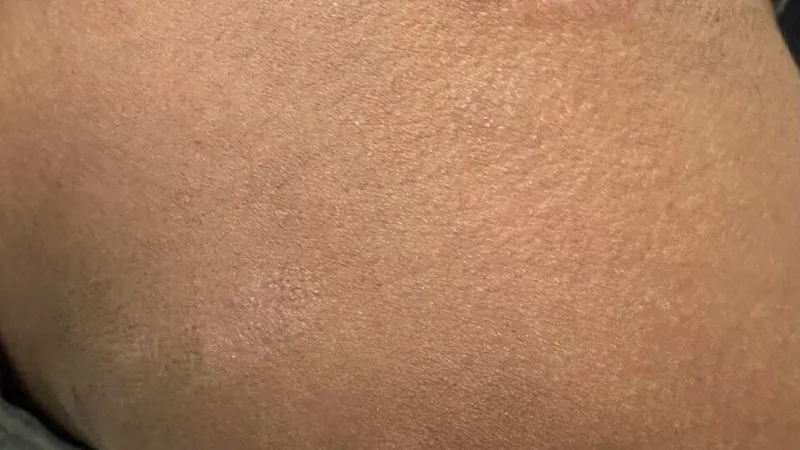
A note on what these numbers are, and are not. Our directory only lists a provider when two things are true: the provider self-identified as Black through an opt-in source, such as the Black Derm Directory, a Black professional association, or an HBCU alumni roster, and their license checks out against the CMS NPI Registry. We never guess anyone's race from a name or a photo. That standard means our counts are a floor, not a census: a state showing zero does not mean no Black dermatologist practices there, it means a patient searching the largest verified index in the country will not find one. For skin, hair, and scalp care, where conditions like keloids, melasma, and central centrifugal cicatricial alopecia present differently on darker skin, that gap has clinical consequences.
Verified Black providers by specialty, July 2026
The ten largest specialties in the Black Health verified directory.
| Specialty | Verified providers |
|---|---|
Source: Black Health verified directory. Counts are publicly displayable, license-verified providers as of July 2, 2026.
Whatever brought you to this page, community health centers see patients regardless of insurance and charge on a sliding scale that is often $0. Our directory of free and charitable clinics lists centers by state. A same-day telehealth visit is self-pay and is not billed to Medicaid, so if you have Medicaid the clinic route will usually cost less. If you would rather see a clinician online today:

See a doctor online today.
- Same-day video visits from $34
- Price shown before you book
- No insurance needed
 with Sesame Care
Affiliate link, we may earn a commission at no extra cost to you.
The 17 states with zero verified Black dermatologists are Arkansas, Delaware, Hawaii, Idaho, Kansas, Maine, Montana, New Hampshire, New Mexico, North Dakota, Rhode Island, South Dakota, Utah, Vermont, Washington, West Virginia, and Wyoming. Washington stands out: the Seattle metro alone has nearly 4 million people. Ten of those states, Hawaii, Idaho, Maine, Montana, New Mexico, North Dakota, Rhode Island, South Dakota, West Virginia, and Wyoming, currently show zero verified Black providers in any specialty. On the other end, New York and Texas lead with 18 verified Black dermatologists each, followed by California with 16, Virginia with 15, and Florida and Georgia with 14 each.
Why the map looks like this
The directory map mirrors the workforce pipeline. Black physicians were about 5 percent of the US physician workforce as of the most recent peer-reviewed analysis, a share that has barely moved in decades. Dermatology is one of the least representative specialties at roughly 3 percent, a figure the American Academy of Dermatology's own workforce studies have flagged since 2016, with a 2021 follow-up finding little progress. Historically Black medical schools carry an outsized share of the pipeline: Morehouse, Howard, and Meharry alumni rosters are among the largest sources in our directory.
Why this matters for your health
The evidence on patient-provider racial concordance is strongest where it was tested most rigorously. In a randomized experiment in Oakland, Black men assigned to Black doctors agreed to significantly more preventive services, especially invasive ones like diabetes and cholesterol screening, an effect the authors projected could meaningfully narrow the cardiovascular mortality gap. A national study of more than 117,000 patient experience surveys found patients rated visits with racially concordant physicians higher. A widely cited study of Florida births reported lower newborn mortality for Black infants cared for by Black physicians; the size of that association is debated after a 2024 reanalysis, and we cover that debate honestly in our explainer on the replication. The practical takeaway is unchanged: feeling heard by your clinician changes what care you accept, and you are entitled to seek a clinician you trust.
What to do if your state shows zero
First, search anyway: the directory adds providers weekly, and the telehealth filter surfaces clinicians licensed in your state who practice from elsewhere. Second, use telehealth deliberately. Dermatology adapted to photo-based and video visits faster than most specialties, and psychologists in the 40-plus PSYPACT states can treat across state lines. Third, if you cannot find a match, a community health center is a strong entry point for referrals, and our guide on finding a Black doctor covers the questions that make any visit better, whoever you see.
Frequently asked questions
Does having a Black doctor actually improve health outcomes? ▼
The strongest evidence is from a randomized study in Oakland: Black men who saw Black doctors accepted more preventive services, including diabetes and cholesterol screening. National survey data also shows patients rate racially concordant visits higher. Evidence on mortality outcomes is promising but still debated, and having any trusted doctor beats delaying care.
My state shows zero verified Black dermatologists. What are my options? ▼
Use the directory's telehealth filter to find Black dermatologists licensed in your state who practice remotely, ask a community health center for a referral, and check back: the directory grows weekly as more providers verify.
How does Black Health verify providers? ▼
Two gates, both required. The provider self-identifies through an opt-in source such as a Black professional association, an HBCU alumni roster, or a community directory like the Black Derm Directory. We then verify their license against the federal CMS NPI Registry. We never infer anyone's race, and providers can claim, edit, or remove their listing at any time.