What bacterial vaginosis actually is
A healthy vagina is dominated by Lactobacillus bacteria. These produce lactic acid, keep the environment acidic, and crowd out organisms that cause problems. Bacterial vaginosis happens when those protective lactobacilli drop and a mix of other bacteria, including Gardnerella vaginalis, takes over. The CDC describes it plainly: BV "happens when there is too much of certain bacteria in the vagina, causing an imbalance."
Two things BV is not. It is not a sexually transmitted infection in the classic sense, and it is not a sign that you are dirty. The CDC states you cannot get BV from toilet seats, bedding, or swimming pools, and that scientists "do not completely understand how BV spreads." Sexual activity is linked to it, but BV occurs in women who have never had sex, and treating it is not about washing more. In fact, washing the inside of the vagina is one of the things that triggers it.
Why Black women are diagnosed more often
The disparity is real and it is large. In the national NHANES analysis by Allsworth and Peipert, Black women had about three times the odds of BV compared with white women (odds ratio 3.13). This is not a story about hygiene. It is a story about the microbiome itself.
Jacques Ravel and colleagues showed in 2011 that vaginal bacterial communities cluster into distinct types, and that the proportion of women whose communities are not dominated by lactobacilli differs by ancestry. Later work across women of African, Asian, and European ancestry found that a larger share of Black women carry community types low in the most protective species, Lactobacillus crispatus, and higher in Lactobacillus iners or mixed anaerobes. One analysis estimated that up to 40% of African American women do not have a lactobacilli-dominant microbiome, which tracks with the 2 to 3 times higher BV prevalence. Heritability of L. crispatus dominance has been measured in women of European ancestry but not yet established in women of African ancestry, which points to biology, not behavior, as a driver of the gap.
If you are a Black woman who keeps getting BV, the most likely explanation is your microbiome composition, not anything you did wrong. Shame keeps women from seeking care, and BV is worth treating.
The symptoms (and why many women have none)
When BV produces symptoms, the classic ones are:
- A thin, white or gray discharge
- A strong fishy odor, often more noticeable after sex
- Itching, burning, or irritation around the vagina
- Sometimes burning when you urinate
An over-the-counter antifungal from any pharmacy treats most yeast infections without a prescription, for well under the cost of a visit, and a community health center can help if symptoms don't clear. Our directory of free and charitable clinics lists centers by state. A same-day telehealth visit is self-pay and is not billed to Medicaid, so try the pharmacy shelf first. If you want a telehealth visit instead:

Sesame Care
A same-day online visit with a licensed clinician for yeast infection diagnosis and prescription treatment. Prices are shown before you book; visits start at $34 and vary by clinician and location (checked August 2026).
See a clinician todayAffiliate link, we may earn a commission at no extra cost to you.
Here is the part that surprises people: in a nationally representative survey, the majority of women with BV had no symptoms at all. A normal odor and no discharge does not rule it out. This is one reason BV is underdiagnosed, and why a clinician test matters more than self-diagnosis.
What disrupts the microbiome
Several things shift the balance toward BV:
- Douching. Stop. Douching strips protective bacteria and is one of the clearest modifiable risk factors. In the NHANES analysis, women who douched had nearly double the odds of BV, and the CDC notes douching may raise the risk of relapse. The vagina cleans itself; soap, water, and no internal washing is the rule.
- New or multiple sex partners. Both are associated with BV, which is part of why it behaves partly like a sexually associated condition even though it is not classified as an STI.
- Semen exposure. Semen is alkaline and can shift vaginal pH, which is why the fishy odor is often stronger after sex.
- Antibiotics. Courses for other infections can knock down lactobacilli along with the target.
What does not cause BV: being unclean, tampons, public toilets, or pools. If you have PCOS or other reproductive-health concerns layered on top of recurrent BV, bring the full picture to one clinician. Our guide to PCOS symptoms in Black women covers how to raise overlapping issues in a single visit.
Why BV is worth taking seriously
BV is uncomfortable, but the bigger reasons to treat it are downstream. A meta-analysis by Atashili and colleagues found that BV was associated with a 60% higher risk of acquiring HIV (relative risk 1.6). BV also raises the risk of acquiring other STIs and of pelvic inflammatory disease, which can affect fertility.
In pregnancy, the stakes connect directly to the Black maternal-health gap. Leitich and colleagues, pooling 18 studies and more than 20,000 patients, found BV more than doubled the risk of preterm delivery (odds ratio 2.19), and the association was stronger when BV was detected early in pregnancy. Black women already face higher rates of preterm birth, so a treatable contributor is one worth catching.
How BV is diagnosed and treated
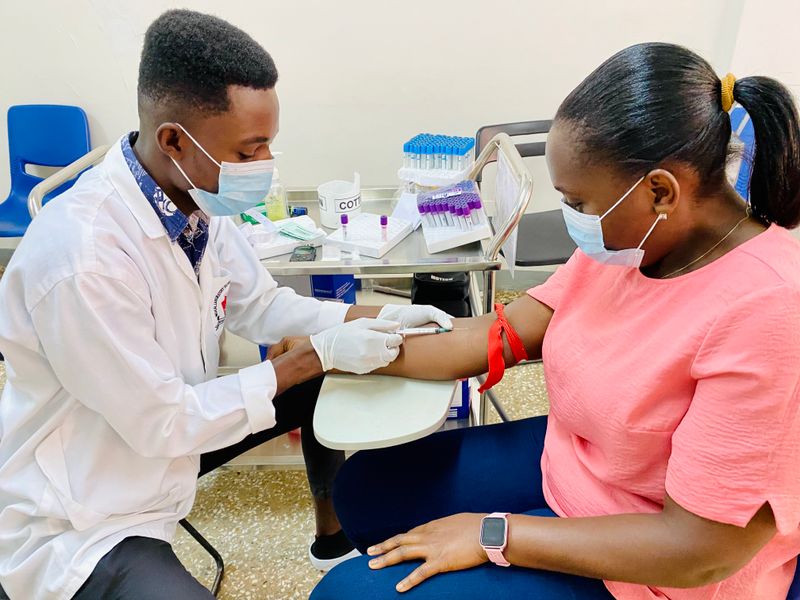
A clinician diagnoses BV with a pelvic exam plus testing of vaginal fluid, checking pH and looking for the bacterial pattern under a microscope or with a molecular test. You do not have to guess from an over-the-counter strip.
The CDC-recommended treatments are antibiotics, and they work:
- Metronidazole 500 mg by mouth twice a day for 7 days
- Metronidazole gel 0.75%, one applicator in the vagina once daily for 5 days
- Clindamycin cream 2%, one applicator in the vagina at bedtime for 7 days
Oral and vaginal forms are both effective; the choice often comes down to side effects and preference. Finish the full course even if symptoms clear early.
The recurrence problem, and what helps
The frustrating reality of BV is that it comes back. More than half of women have a recurrence within a year. What the evidence supports:
- Stop douching. It is the single change most clearly tied to fewer relapses.
- Suppressive therapy. For repeated episodes, the CDC describes a longer regimen: an oral nitroimidazole, then intravaginal boric acid 600 mg daily for 21 days, followed by twice-weekly metronidazole gel for several months. Boric acid is an adjunct here, not a standalone cure, and is used vaginally only, never by mouth.
- Partner treatment. For years the guidance was that treating a male partner did not help. That changed. A 2025 randomized trial in the New England Journal of Medicine (the StepUp trial) found that treating male partners with oral metronidazole plus a topical clindamycin cream cut the woman's recurrence rate to 35%, compared with 63% when only the woman was treated. If you are in a relationship with a male partner and BV keeps returning, this is a conversation worth having with your clinician.
How to get care
BV is diagnosed and treated by a primary care clinician, an OB-GYN, or a sexual-health clinic. If you want a clinician who will take your history seriously and not reach for a hygiene lecture, you can find a Black OB-GYN in our directory. If you are not sure how to start that search, our walkthrough on how to find a Black OB-GYN near you covers what to ask and how to vet a practice. Bring a short note of when symptoms started, whether they follow sex, and how many times BV has come back; that detail shapes whether you get a single course or a longer suppressive plan.
Frequently asked questions
Is bacterial vaginosis a sexually transmitted infection? ▼
No. BV is not classified as an STI, and the CDC says it is not transmitted through toilet seats, bedding, or pools. Sexual activity, new partners, and multiple partners are associated with BV, but it also occurs in women who have never had sex. It is a shift in the vaginal microbiome, not an infection passed from one person to another in the usual sense.
Why do I keep getting BV even though I am clean? ▼
Recurrence has little to do with cleanliness. More than half of women relapse within a year, often because their vaginal microbiome is low in protective lactobacilli to begin with. This is more common in Black women for reasons tied to microbiome composition, not behavior. Douching actually raises recurrence risk. For repeated episodes, ask your clinician about a longer suppressive regimen or, if you have a male partner, partner treatment.
Can BV go away on its own? ▼
Sometimes mild cases clear without treatment, but the standard advice is to treat symptomatic BV with antibiotics, and to treat it in pregnancy because of the link to preterm birth. Because BV raises the risk of acquiring HIV and other STIs, it is not something to wait out if you have symptoms.
Is boric acid safe for BV? ▼
Vaginal boric acid is used as an adjunct for recurrent BV, typically alongside antibiotics in a suppressive regimen the CDC describes. It is for vaginal use only and is toxic if swallowed, so keep it away from children and never take it by mouth. Talk to a clinician before starting it rather than self-prescribing.
Does my partner need to be treated? ▼
For male partners, the evidence changed in 2025. A New England Journal of Medicine trial found that treating the male partner with oral and topical antibiotics cut the woman's recurrence rate from 63% to 35%. If BV keeps coming back and you are in a relationship with a male partner, ask your clinician about treating both of you. Routine partner treatment is not yet standard for every case.
Should I stop douching? ▼
Yes. Douching removes the protective bacteria that keep the vagina acidic and is one of the clearest risk factors for both getting BV and having it return. The vagina is self-cleaning. Wash the external area with water or mild soap and skip any internal washing or scented products.