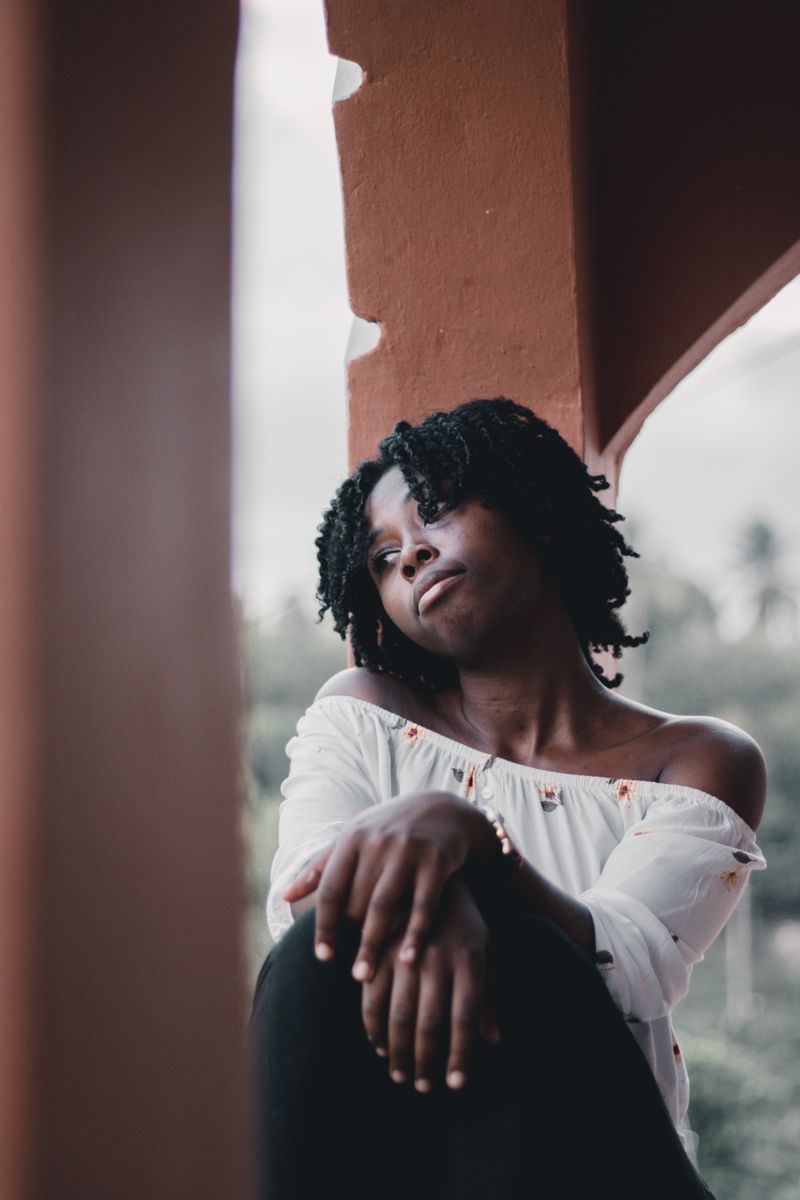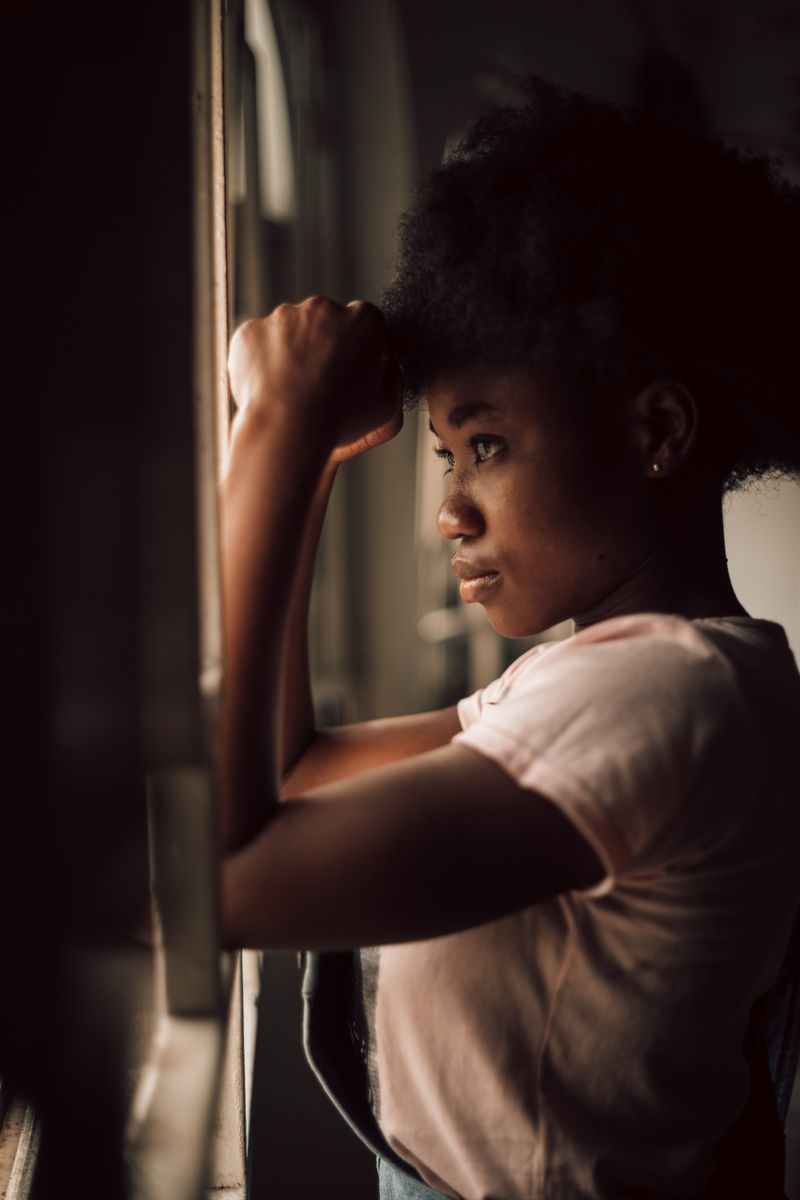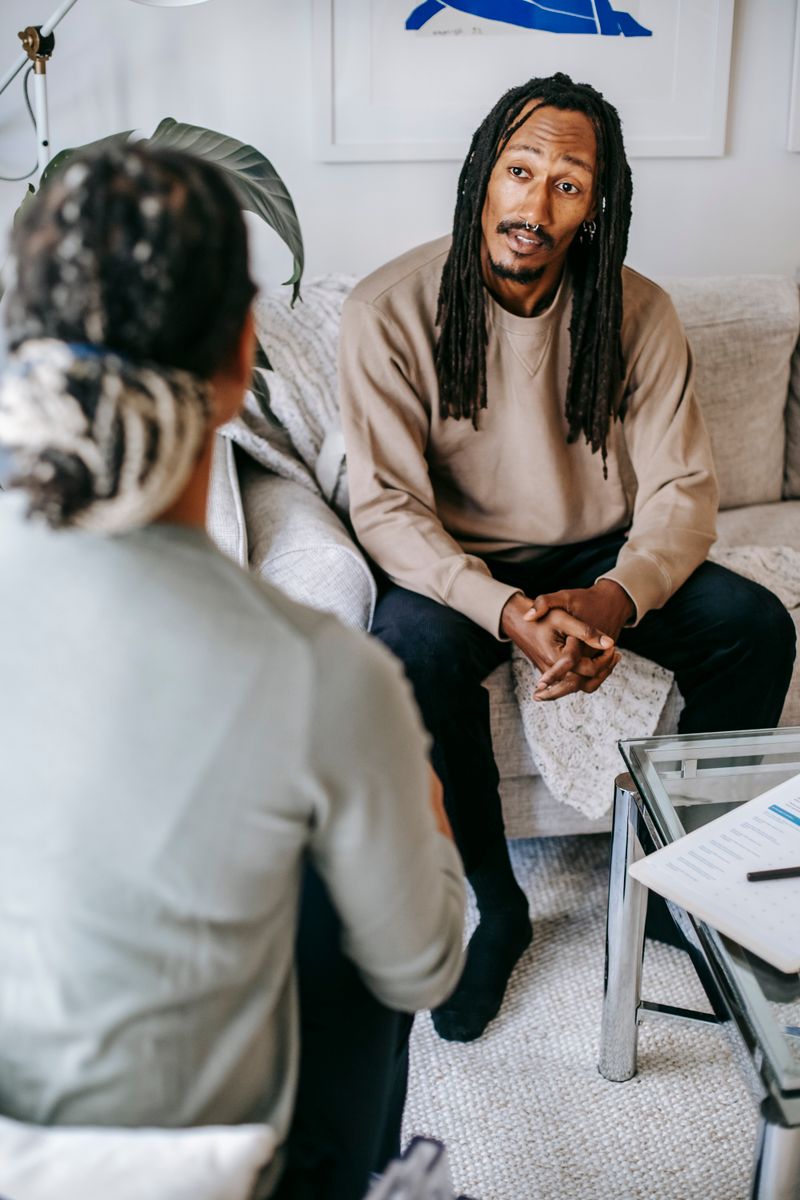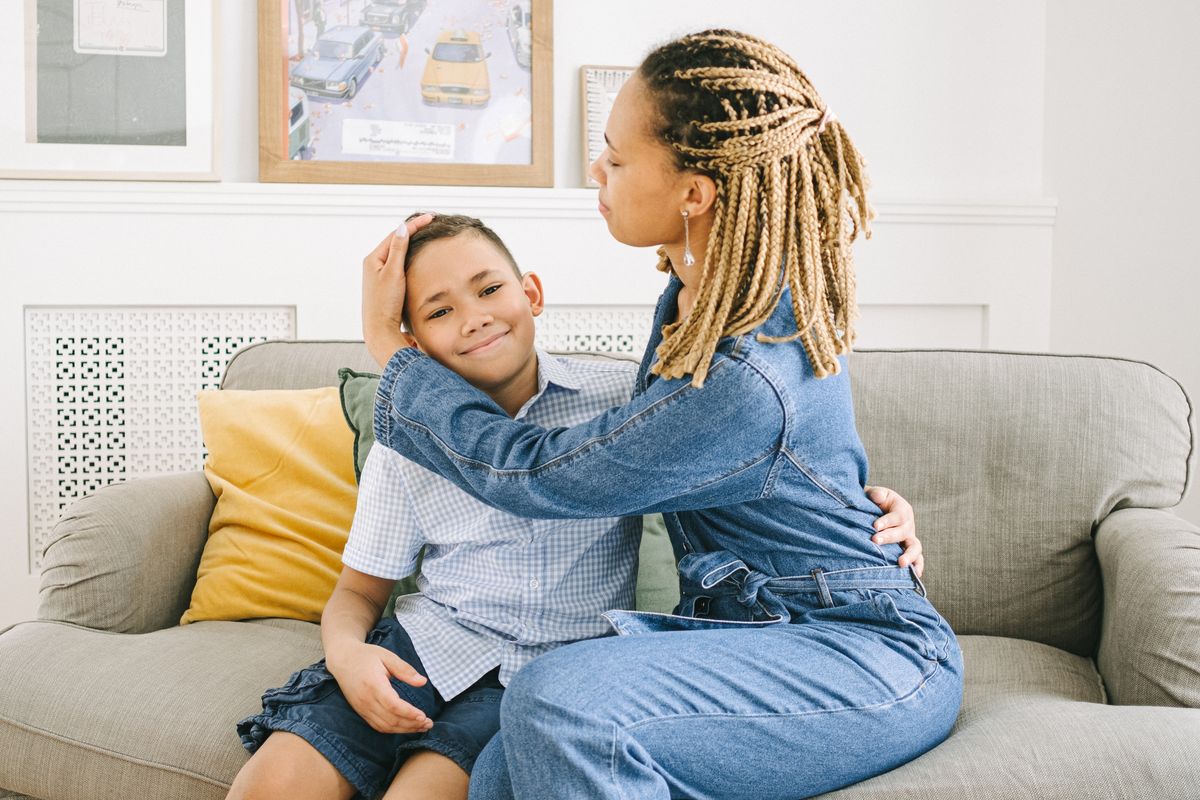
This week the question is painfully close for many families. On Oct. 29, 15-year-old Javits Frimpong, who had moved from Ghana to New York about a year earlier to live with his father, was shot and killed near Crotona Park in the Bronx on his way to school, Gothamist reported. His father, Thomas Frimpong, told CBS New York his son had complained of being bullied and that two students had been suspended days before. Police have not said what led to the shooting. Whatever the investigation finds, parents are asking how to know if their own child is being targeted and what to do about it.
How common it is for African and Caribbean kids
The clearest data on Black students by ethnicity comes from Minnesota, which asks every 8th, 9th and 11th grader about bullying and lets Black students report their heritage. Of 8,201 Black students surveyed in 2022, 29.5 percent reported bullying based on race, ethnicity or national origin, and Nigerian-origin students reported the most, 40 percent. A separate analysis of the same survey found religion-based bullying highest among Somali students, from about 22 to 28 percent depending on where they lived.
Nationally, CDC's 2023 Youth Risk Behavior Survey found 14 percent of Black high school students were bullied on school property in the past year, up from 9 percent in 2021. Those two questions measure different things: 46 percent of Black students said they had ever been treated badly or unfairly in school because of their race or ethnicity, and 15 percent had skipped school at least once in the past month because they felt unsafe there or on the way. The national survey does not ask where a student was born, so it cannot show how immigrant kids fare separately.
One gap is worth saying plainly. We found no US study that measures bullying over an accent among African or Caribbean students. The law does not wait for that research: New York City's school rules list deliberately mispronouncing a student's name as harassment when it targets national origin, and the federal government says national origin harassment can include harassment because a student speaks another language.
What bullying does to mental health
A 2014 meta-analysis in JAMA Pediatrics pooled 34 studies of more than 284,000 children and teens and found that being bullied was tied to about twice the odds of suicidal thoughts and of suicide attempts. A 2024 review of 27 studies linked bullying in adolescence to higher odds of depression. The relationship runs both ways: kids who are bullied become more anxious and depressed over time, and kids who are already struggling are more likely to be targeted, so a child who seems withdrawn deserves a direct question.
Research on Black youth points the same way. In a national survey of African American and Caribbean Black teens conducted in 2001 to 2004, almost 9 in 10 had experienced discrimination, and it was tied to depression, anxiety and suicidal thoughts. For Caribbean teens with immigrant parents, the link between discrimination and symptoms was stronger than for African American teens, even though they reported fewer symptoms overall. That data is old, and it measured discrimination generally rather than school bullying.
Younger African immigrants describe the strain in their own terms. In a 2022 to 2023 survey of 200 Ethiopian and Eritrean American young adults in Atlanta, discrimination and hard immigration experiences were both linked to higher odds of depressive symptoms. That was one city's volunteers, not a national sample, but it matches what families report.
Community mental health centers see patients on a sliding scale, and they take patients a private practice would turn away over insurance. If you're in crisis right now, our crisis resources page lists free, immediate options. Our directory of free and charitable clinics lists centers by state. A paid online mental health platform is not billed to Medicaid, so check the community mental health center in your county first. If you want to start with a paid platform today:
 BetterHelp
Talk to a licensed therapist online.
20% off your first month
Get started, 20% offSigns your child may be bullied
Do not wait for your child to tell you. In one US study of middle schoolers, immigrant girls were the least likely of any group to tell a peer, teacher or parent when they were bullied. Kids stay quiet because they fear it will get worse, or because they feel no one understands.
The federal government's stopbullying.gov lists signs a parent can see: unexplained injuries; lost or damaged clothes, books or phones; frequent headaches or stomachaches, or feeling sick to stay home; changes in eating, including coming home hungry because they skipped lunch; trouble sleeping or nightmares; falling grades or not wanting to go to school; suddenly losing friends; feeling helpless; and self-harm, running away or talking about suicide. NYC's own regulation adds a student who is withdrawn, anxious, depressed, distracted or missing classes.
Ask open questions on a calm day: who they sit with at lunch, whether anyone makes fun of how they talk or where they are from, whether they feel safe on the way to school. Tell them that being targeted is not their fault and that you will handle it with them, not behind their back.
What to do in a New York City public school
Chancellor's Regulation A-832 covers bullying and harassment based on national origin, citizenship or immigration status, race, religion and more, in school, online, on the way to and from school and at school events. Here is how to use it:
- Write it down. Dates, what was said or done, who saw it, screenshots of messages.
- Report it to your school's Respect for All liaison, the principal or any staff member, by phone, in person, in writing or through the city's online bullying reporting portal. The complaint form comes in languages including French and Haitian Creole. Ask for the incident number, called the OORS number.
- Hold the school to its clock. The school must notify parents within 2 school days and give written findings within 10 school days.
- Ask for an interpreter. Interpretation is free, and under Chancellor's Regulation A-663 a child may not be used as the interpreter at a meeting about conduct. Call 718-935-2013 or ask the school.
- Ask for supports: counseling, a change in class, lunch or recess schedule, and a safety plan. A student with two or more substantiated incidents in a year must get an individual support plan, and a safety transfer is possible.
- Refuse mediation. The regulation says mediation and conflict resolution are never appropriate for bullying.
- Escalate if it stalls. If the school misses the 10-day finding or the bullying continues, email RespectforAll@schools.nyc.gov or call the Anti-Hate Hotline at 718-935-2289.
Your rights anywhere in the US
Title VI of the Civil Rights Act bars discrimination based on race, color or national origin in any school that takes federal money. The US Department of Education's Office for Civil Rights says that includes discrimination based on limited English or English learner status and on actual or perceived shared ancestry. Anyone can file a complaint, including on behalf of a child, generally within 180 days of the last incident, and you do not have to finish the school's process first. File online at ocrcas.ed.gov, email ocr@ed.gov or call 800-421-3481. Schools may not retaliate against a family that complains.
States add their own rules. New York's Dignity for All Students Act requires staff to report harassment to the principal within one school day and in writing within two, and requires the school to investigate and act. Outside New York, search your state education department's site for its anti-bullying law, and ask your district for its policy in writing.
Getting your child mental health support
In New York City, more than 300 schools have school-based health centers that provide mental health counseling at no cost, regardless of insurance or immigration status. Your school can tell you what mental health support it offers, and staff can help an uninsured family apply for coverage. Every child in New York can get health insurance, including undocumented children.
NYC 988, which replaced NYC Well, offers free, confidential counseling by phone, text or chat with interpreters for more than 200 languages, 24 hours a day. Young people can call on behalf of a parent, and anyone can call for a child. Nationally, 988 connects callers to interpreters in more than 240 languages; press 2 or text AYUDA to 988 for Spanish.
For ongoing care, our directory lists Black therapists and Black child and adolescent psychiatrists, and community health centers charge by income. In New York, the African Services Committee in Harlem offers free, confidential counseling and mental health support for newcomers from Africa and the Caribbean, and the Flanbwayan Haitian Literacy Project in Brooklyn supports Haitian immigrant teens through school. For the bigger picture of how immigration shapes mental health across generations, see our guide to Caribbean families and mental health.
Frequently asked questions
Does teasing about an accent count as bullying under school rules? ▼
It can. New York City's regulation lists taunts, slurs and deliberately mispronouncing a name based on national origin as harassment, and federal guidance says national origin harassment can include harassment because a student speaks another language.
How fast does an NYC school have to respond? ▼
Under Chancellor's Regulation A-832, the school must notify parents within 2 school days of a report and provide written findings within 10 school days, absent extenuating circumstances.
Can I file a complaint if my family is undocumented? ▼
The Office for Civil Rights says anyone may file a complaint, and schools may not retaliate against people who complain. School-based health centers in New York City serve students regardless of immigration status.
My child refuses to talk about it. What should I do? ▼
Look for the signs, such as headaches, skipped lunches and not wanting to go to school, and ask specific questions on a calm day. A school counselor, the school-based health center or a therapist can help a child open up.
Should the school bring both students together to work it out? ▼
No. NYC's regulation states that neither mediation nor conflict resolution is ever an appropriate response to bullying or intimidation.