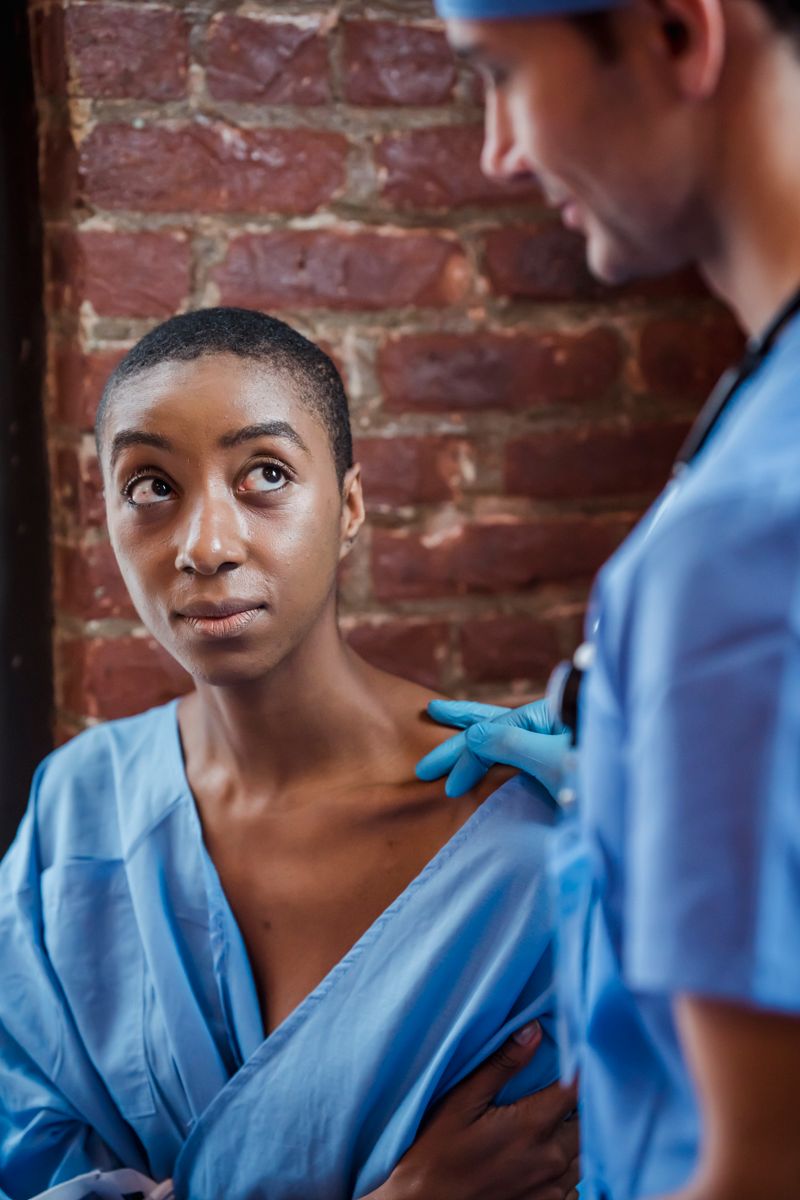
When to start: 40, every other year
In its 2024 update, the U.S. Preventive Services Task Force recommends biennial screening mammography for women aged 40 to 74, a B-grade recommendation that moved the starting age down from 50. If you are 40 or past it and have never been screened, every program below exists for you. If breast cancer runs in your family or you carry other risk factors, talk with a clinician about starting earlier; screening programs can make room for that.
The federal program that pays: NBCCEDP
Since 1990, CDC's National Breast and Cervical Cancer Early Detection Program has funded free and low-cost screening through 71 award recipients covering all states, plus territories and tribal organizations. Per CDC's own eligibility rules, you may qualify if you have no insurance or your insurance does not cover screening exams, your yearly income is at or below 250% of the federal poverty level, and you are 40 to 64 for breast cancer screening. Certain women who are younger or older may also qualify.
The program covers more than the mammogram itself: diagnostic follow-up when a screening result needs a second look, and patient navigation to help you get to care on time. And under a law passed in 2000, women diagnosed with cancer through the program can receive treatment through Medicaid. Find your state, territory, or tribal program on CDC's program page, which lists each one with contact information.
Insured? Your screening is already covered
Under the Affordable Care Act's preventive care rules, marketplace plans and most other private plans cover a screening mammogram every 1 to 2 years for women 40 and older without a copayment or coinsurance, even before you meet your deductible, when you use an in-network provider. Medicare Part B covers baseline, screening, and diagnostic mammograms, with the yearly screening mammogram treated as a preventive service; check medicare.gov for what your situation costs. Medicaid coverage varies by state, and the NBCCEDP above exists precisely for people whose coverage falls short.
Whatever brought you to this page, community health centers see patients regardless of insurance and charge on a sliding scale that is often $0. Our directory of free and charitable clinics lists centers by state. A same-day telehealth visit is self-pay and is not billed to Medicaid, so if you have Medicaid the clinic route will usually cost less. If you would rather see a clinician online today:

See a doctor online today.
- Same-day video visits from $34
- Price shown before you book
- No insurance needed
 with Sesame Care
Affiliate link, we may earn a commission at no extra cost to you.
Other free routes worth a phone call
Community health centers see patients regardless of insurance, charge on a sliding scale that is often nothing, and can order the mammogram and connect you to an imaging site; our directory of free and charitable clinics lists verified centers by state. Many hospitals and imaging centers also run free screening days, especially during October, and mobile mammography units bring the machine to churches, community centers, and workplaces. There is no single national list of these, so the honest advice is one phone call: ask the imaging center or your nearest health center what free screening programs they participate in.
The question that prevents a surprise bill
The word that decides your bill is not mammogram, it is screening. A screening mammogram is the routine, no-symptoms exam the free programs and the ACA rules cover. A diagnostic mammogram, ordered because something was felt or seen, can bill differently, and so can the follow-up imaging after a screening callback. So ask two questions when you book: is this being billed as screening, and if I get called back, what will the diagnostic imaging cost? If you are in the NBCCEDP, diagnostic follow-up is part of the program. If you are insured, ask before the callback visit, not after.
Find screening near you
Our breast cancer screening finder lists free and low-cost screening sites city by city. For why timing matters, read how Tina Knowles' diagnosis became a screening story for Black women, and take the appointment with you.
Frequently asked questions
What age should I start getting mammograms? ▼
The U.S. Preventive Services Task Force recommends screening every other year from age 40 through 74, a 2024 change that lowered the starting age from 50. With a family history of breast cancer or other risk factors, ask a clinician about starting earlier.
Who qualifies for a free mammogram through the CDC program? ▼
Per CDC, you may be eligible if you have no insurance or your insurance does not cover screening exams, your yearly income is at or below 250% of the federal poverty level, and you are 40 to 64 for breast screening. Certain women who are younger or older may also qualify, so a program that hears your situation may still say yes.
Is the follow-up free if they find something? ▼
In the NBCCEDP, diagnostic services after an abnormal screening are part of the program, and women diagnosed with cancer through it can receive treatment through Medicaid. With private insurance, diagnostic imaging can bill differently than screening, so ask what a callback visit costs before you go.
What if I am under 40 and worried? ▼
Talk with a clinician about your specific risk, especially with a family history of breast or ovarian cancer. CDC notes that certain younger women may qualify for its screening program, and a clinician can order imaging outside routine screening when risk justifies it.