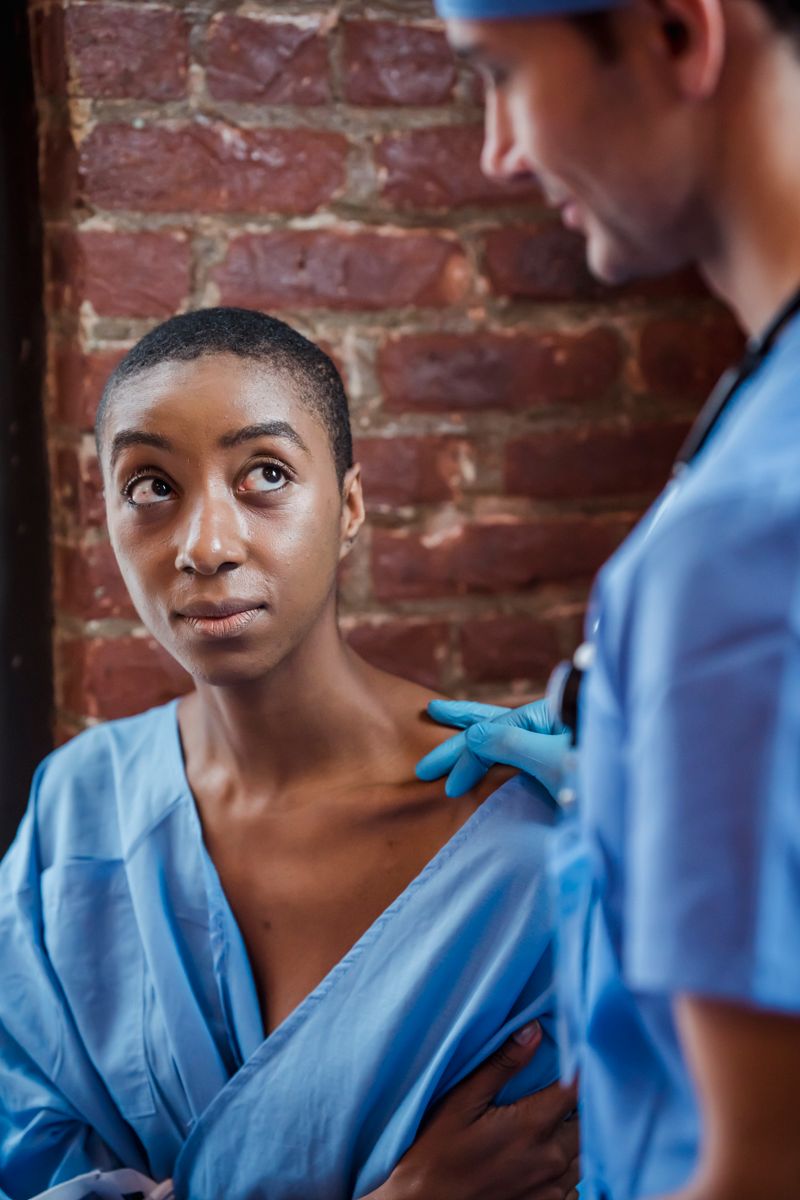
Hashimoto's thyroiditis is an autoimmune disease where your own immune system attacks your thyroid, the butterfly-shaped gland at the front of your neck that sets the speed of your metabolism. Over time the attack lowers hormone output and tips you into hypothyroidism, an underactive thyroid. The National Institute of Diabetes and Digestive and Kidney Diseases (NIDDK) calls Hashimoto's the most common cause of hypothyroidism, a condition that affects about 5 in 100 Americans. It runs 4 to 10 times more common in women than men, and it usually shows up between ages 30 and 50.
What Hashimoto's actually does to your body
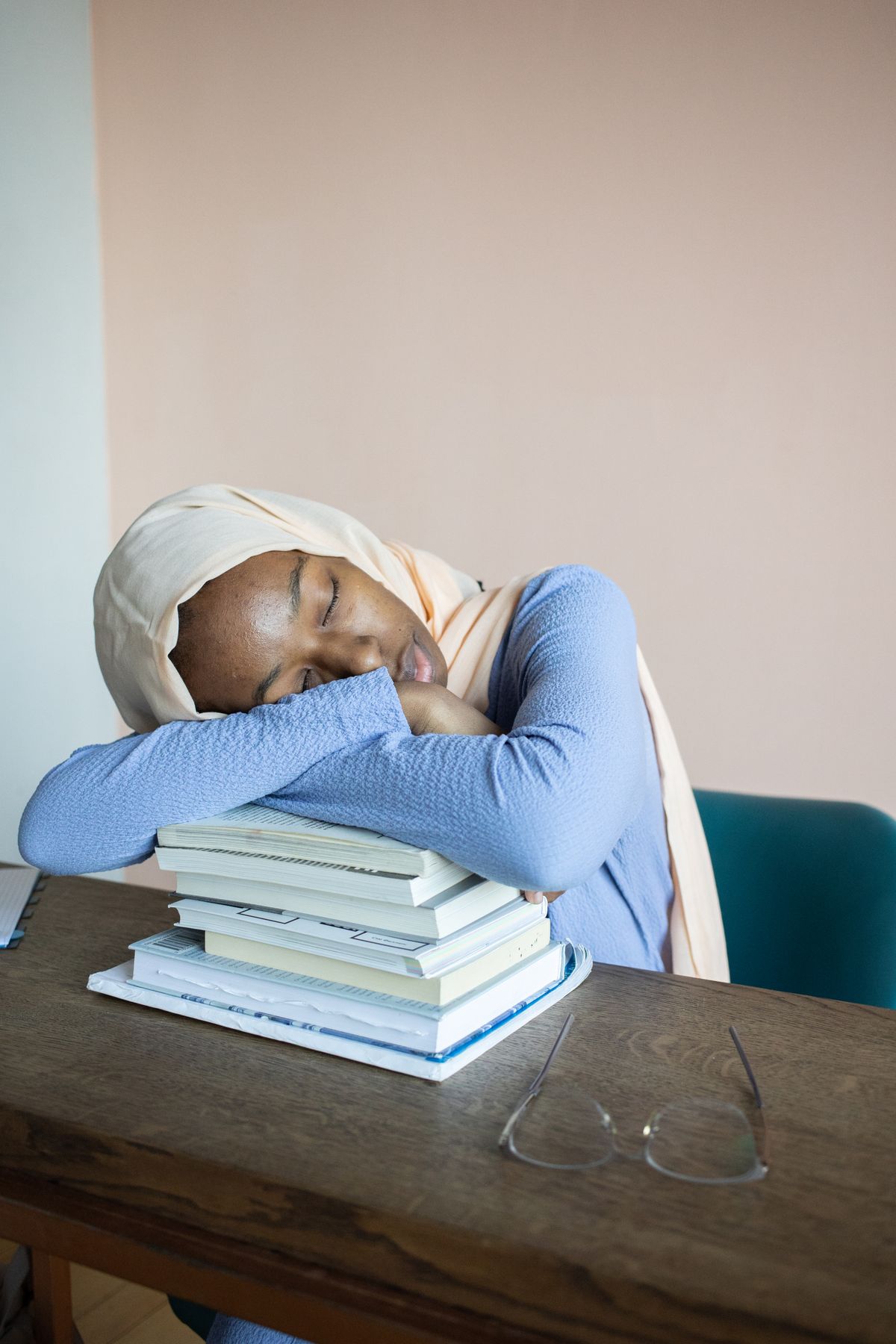
In Hashimoto's, the immune system makes antibodies that target thyroid peroxidase, an enzyme the gland needs to build hormone, and white blood cells crowd into the thyroid. As the gland's output falls, every system that runs on thyroid hormone slows down. That is why the symptoms read like a list of things people get told to ignore: fatigue, weight gain, trouble tolerating cold, joint and muscle pain, dry skin, thinning hair, constipation, and heavy or irregular periods. Brain fog, low mood, and depression are common too, which is part of why the diagnosis gets missed.
The disease moves slowly. Many people live with a creeping version for years, adjusting to the fatigue and the weight until a blood test finally names it. Some never develop full hypothyroidism and only ever show positive antibodies. Others land in the doctor's office with a visibly enlarged thyroid, a goiter.
The Black-patient angle, told straight
The honest picture here is more complicated than a simple disparity headline, so read it carefully. By the numbers we have, measured autoimmune thyroid disease is less common in Black Americans, not more. In a study of more than 20 million person-years of US military service published in JAMA in 2014, Hashimoto's was highest in white people and lowest in Black women, who had about one-third the rate of white women (McLeod et al., PMID 24737370). A 2024 analysis of NHANES adolescents found anti-TPO antibody positivity of 0.9% in non-Hispanic Black teens versus 7.4% in white teens (PMID 38966695). National adult data show the lowest rates of clinical hypothyroidism in non-Hispanic Black Americans.
That lower measured rate is exactly where the risk hides. When clinicians expect a disease to be rare in your group, they test for it less and explain your symptoms some other way. The fatigue becomes overwork, the weight gain becomes diet, the heavy periods become fibroids, the low mood becomes stress. A 2023 review in the Journal of Clinical Endocrinology and Metabolism documented that Black patients face a longer median time to thyroid referral than white patients (a year versus under a year) and present with more severe disease, with 45% of Black patients having compressive neck symptoms versus 21% of white patients (Gillis et al., PMID 37647887). Other data in that review found that minority patients were less likely to get the ultrasound or lab tests that catch thyroid disease early.
Community health centers order thyroid panels on a sliding scale that is often $0, and your regular primary care doctor can order the same panel if you have coverage. Our directory of free and charitable clinics lists centers by state. An at-home thyroid test is self-pay and is not billed to Medicaid, so the clinic route usually costs less. If you would rather test at home:
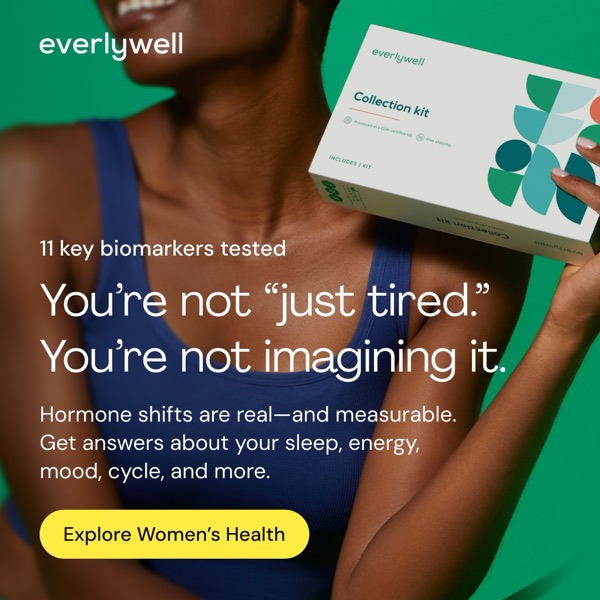

Everlywell
An at-home thyroid panel measuring TSH and related hormones from a finger-prick sample, with results in the Everlywell app.
Order an at-home thyroid testAffiliate link, we may earn a commission at no extra cost to you.
So the takeaway is not that Hashimoto's is more common in Black women. It is that when a Black woman does have it, she is more likely to be tested late, referred late, and treated late, and the overlap of her symptoms with conditions like iron-deficiency anemia and depression makes the dismissal easier. The fix is a simple one: ask for the blood test by name.
How Hashimoto's is diagnosed
Three blood tests answer the question. TSH (thyroid-stimulating hormone) is the screen; it rises when the thyroid is underactive, because the brain is shouting at a gland that cannot keep up. Free T4 measures the active hormone itself and confirms how far output has dropped. Anti-TPO antibodies (thyroid peroxidase antibodies) confirm the cause is autoimmune, which is what makes it Hashimoto's rather than another reason for a low thyroid. A high TSH plus low free T4 plus positive anti-TPO is the classic picture. Some people with Hashimoto's are antibody-negative, so a normal antibody result does not rule it out if your TSH and free T4 say otherwise.
If a clinician orders TSH alone and it comes back borderline, that is a reasonable place to ask for the free T4 and the anti-TPO antibodies before your symptoms get filed under stress.
Treatment: levothyroxine and the recheck
The treatment is levothyroxine, a daily pill that is identical to the T4 your thyroid would make. It replaces what the gland can no longer produce. Take it on an empty stomach, and separate it from calcium, iron, and antacids, which block absorption. After starting or changing a dose, your TSH is rechecked in about 6 to 8 weeks, and the dose is adjusted until your TSH lands in range and the symptoms lift. Once you are stable, monitoring usually settles into roughly once a year. Levothyroxine is a lifelong medicine for most people with Hashimoto's, and it works well when the dose is right.
Pregnancy, fertility, and the autoimmune cluster
Thyroid hormone matters intensely for fertility and pregnancy. Hypothyroidism from Hashimoto's is the most common thyroid problem in pregnant women, and untreated low thyroid is linked to miscarriage, preterm delivery, and effects on the baby's brain development, per the American Thyroid Association. Hormone demand climbs early in pregnancy, so women already on levothyroxine often need a dose increase of 20% to 30% as soon as pregnancy is confirmed, with a TSH target generally under 2.5. If you are trying to conceive and you have positive thyroid antibodies or a family history, that is a reason to get tested before, not after.
Hashimoto's also travels with other autoimmune conditions. It shares genetic risk with type 1 diabetes, celiac disease, vitiligo, pernicious anemia, and rheumatoid arthritis, and a meaningful share of people with one autoimmune disease develop a second. If you already carry one of these diagnoses, a low-thyroid workup is worth keeping on the list.
How to get care
Start with a primary-care visit and the three blood tests by name: TSH, free T4, and anti-TPO antibodies. If results are abnormal or borderline and your symptoms persist, ask for a referral to an endocrinologist. A clinician who takes your symptoms seriously is the whole game with Hashimoto's, so if you have been brushed off, it is reasonable to find another. You can find a Black clinician in our directory to start that conversation with someone less likely to dismiss what you are feeling.
Frequently asked questions
Is Hashimoto's more common in Black women? ▼
No. Measured autoimmune thyroid disease, including positive anti-TPO antibodies, is actually less common in Black Americans than white Americans in US data. The disparity is in diagnosis and treatment: Black patients are tested and referred later and present with more advanced disease, so a Black woman who has Hashimoto's is more likely to go unrecognized.
What blood tests diagnose Hashimoto's? ▼
TSH, free T4, and thyroid peroxidase (anti-TPO) antibodies. A high TSH with a low free T4 points to an underactive thyroid, and positive anti-TPO antibodies confirm the autoimmune cause. Some people with Hashimoto's are antibody-negative, so a negative result does not rule it out if the other tests are abnormal.
Can Hashimoto's cause depression and brain fog? ▼
Yes. Low thyroid hormone slows the brain, and low mood, depression, poor concentration, and memory trouble are recognized symptoms. Because these overlap with depression and stress, the thyroid cause is often missed. A TSH and free T4 are reasonable to check when low mood comes with fatigue, weight gain, and cold intolerance.
Does Hashimoto's affect pregnancy and fertility? ▼
Yes. Untreated hypothyroidism is linked to miscarriage, preterm birth, and effects on the baby's development. Women on levothyroxine usually need a higher dose early in pregnancy, often 20% to 30% more, and a TSH target under 2.5. If you are trying to conceive, get tested before pregnancy, especially with a family history or positive antibodies.
Is levothyroxine a lifelong medication? ▼
For most people with Hashimoto's, yes. The gland's hormone output does not recover, so levothyroxine replaces what is missing long term. It works well at the right dose. Take it on an empty stomach, away from calcium, iron, and antacids, and recheck TSH about 6 to 8 weeks after any dose change.