What depression actually is, and what it feels like
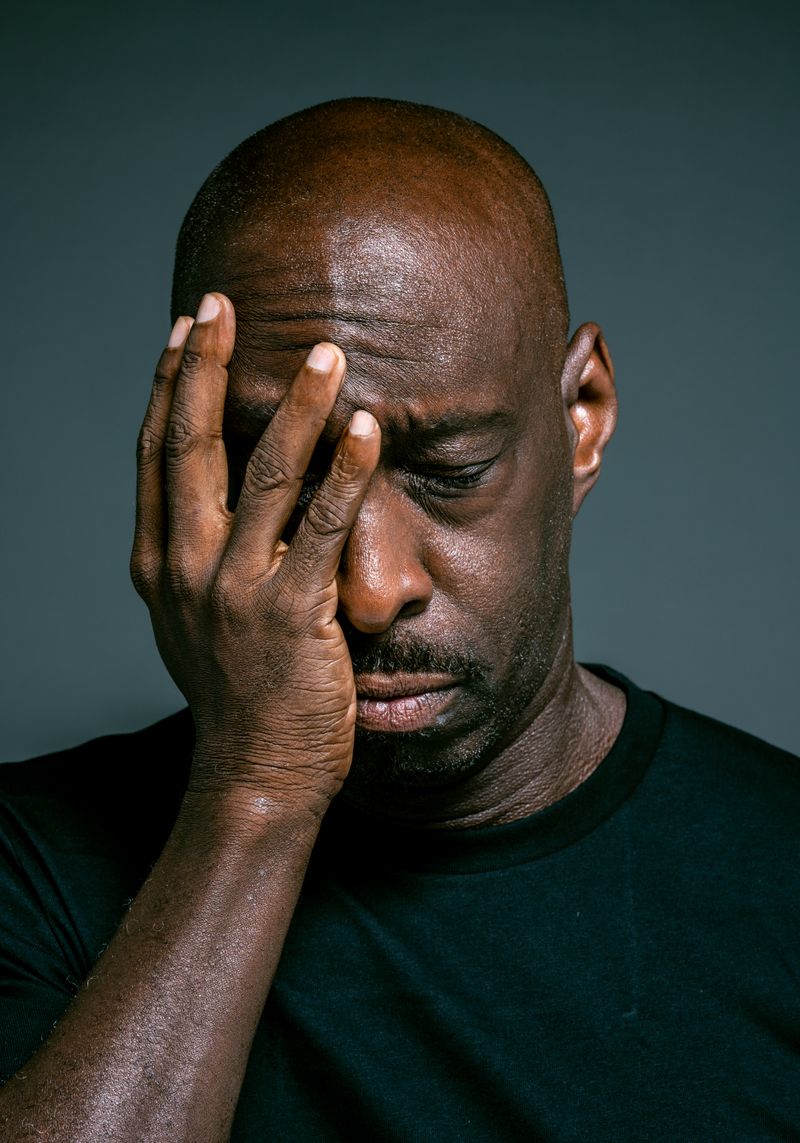
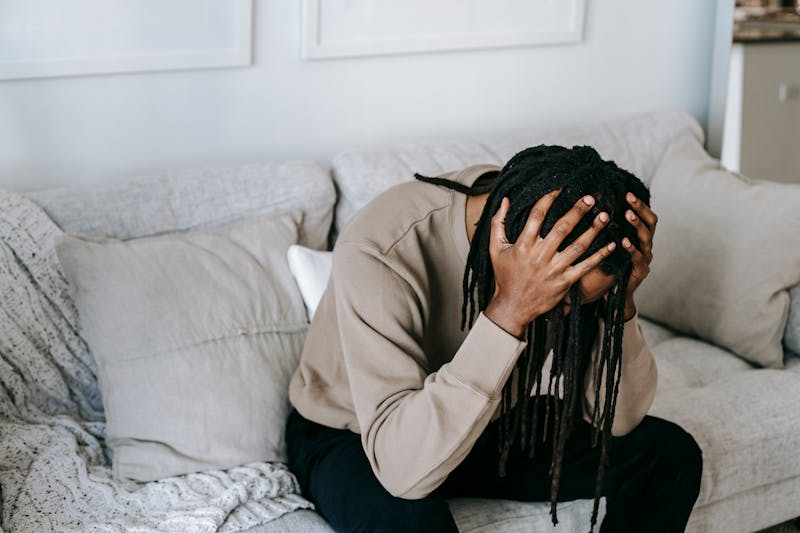
Depression is a medical condition, not a character flaw and not a passing mood. The National Institute of Mental Health defines it by a cluster of signs that last most of the day, nearly every day, for at least two weeks: a persistent sad, anxious, or empty mood; feelings of hopelessness or pessimism; irritability, frustration, or restlessness; loss of interest or pleasure in things you used to enjoy; fatigue and low energy; trouble concentrating, remembering, or making decisions; difficulty sleeping, waking too early, or oversleeping; changes in appetite or weight; physical aches, pains, headaches, cramps, or digestive problems; and thoughts of death or suicide.
Read that list again and notice how much of it lives in the body. Fatigue, broken sleep, physical pain, gut trouble, and an appetite that swings are not side notes to depression. They are core features. The Office on Women's Health frames the diagnosis the same way: depression is when someone feels sad, empty, or hopeless most of the time, or loses interest in daily life, for at least two weeks, and most women, even those with the most severe depression, get better with treatment.
Why depression can look different in Black women
Here is the part the standard checklist can miss. Research on Black women's depression finds the symptoms often do not lead with visible sadness. A 2023 study in Nursing Research, led by Nicole Beaulieu Perez, analyzed depressive symptom patterns among Black women and found they more often reported sleep disturbances, self-criticism, and irritability rather than the stereotypical symptoms such as depressed mood, and that they were more likely to report somatic symptoms like fatigue and insomnia and self-critical symptoms like self-blame than feelings of hopelessness.
That matters because most of the research that shaped how depression gets screened was done in White populations, which raises the odds that depression goes unrecognized in Black women. A clinician scanning for tearfulness and obvious low mood may not register a woman who is exhausted, sleeping badly, snapping at the people she loves, and quietly tearing herself down. The depression is there. The picture just does not match the template. If you are running on empty, irritable, not sleeping, and hard on yourself, that is worth naming as possible depression even if you have not cried in months.
The Strong Black Woman burden
For many Black women, there is a script running underneath all of this: be strong, hold everyone else up, handle it, do not show the strain. Researchers call it the Strong Black Woman schema or the Superwoman schema, and they have studied what it costs.
Cheryl Woods-Giscombé first mapped the Superwoman schema from focus groups with Black women. She described its defining features as an obligation to project strength, to suppress emotions, to resist being dependent or vulnerable, to succeed despite limited resources, and to prioritize caregiving over self-care. The role had real benefits, including preserving the self, family, and community, but it carried liabilities too: relationship strain, stress-related health behaviors, and stress that the women linked to their own health problems, including untreated depression.
If you or someone you love is in crisis, call or text 988 to reach the Suicide and Crisis Lifeline, free, 24 hours a day. For help with alcohol or drug use, SAMHSA's National Helpline at 1-800-662-4357 is free, confidential, and answers 24 hours a day. For ongoing care, community health centers offer sliding-scale counseling and our directory of free and charitable clinics lists centers by state. A same-day telehealth visit is not billed to Medicaid, so the clinic route usually costs less. If you want to talk to a clinician sooner:
Talk to a licensed therapist online.
- Sessions by video, phone or chat
- 20% off your first month
- Start from home, on your schedule
 with BetterHelp
Affiliate link, we may earn a commission at no extra cost to you.
The mental health cost has since been measured. A 2018 study in Sex Roles by Jasmine Abrams found that the more strongly Black women feel obligated to be strong, the more likely they are to silence themselves, and that self-silencing in turn predicts more depressive symptoms. The strength does not cause the depression. The silence the strength demands is what does the damage. A 2022 study in Psychology of Women Quarterly by Stephanie Castelin and Grace White went further: among college-aged Black women, endorsing the Strong Black Woman schema was linked not only to greater psychological distress but to higher self-reported suicidal behavior.
None of this means strength is the problem. It means a version of strength that requires you to never need help is a version that leaves depression untreated. Naming what you are carrying is not weakness. It is the first move toward putting some of it down.
Why it gets missed and undertreated
The consequences of all this show up in the data, and they are stark. The landmark National Survey of American Life, published by David Williams and colleagues in 2007, found that when major depression affects African Americans it is usually untreated and more severe and disabling than in White adults. Depression was chronic in 56.5% of African Americans who had it, compared with 38.6% of White adults, and fewer than half of African Americans who met criteria for major depression, 45.0%, had received any treatment for it.
So the gap is not that Black women feel less. It is that depression in Black women is recognized less, screened for with tools built on a different symptom picture, and treated less once it is found. The drivers documented across this research include symptoms that do not match the standard template, the cultural pull to push through rather than seek care, stigma, and barriers of access, cost, and clinician bias. The result is depression that lasts longer and does more harm before anyone treats it. That is preventable, and the prevention starts with naming it.
What treatment actually works
Depression is treatable, and most people improve with care. You have real options, and many people do best combining them.
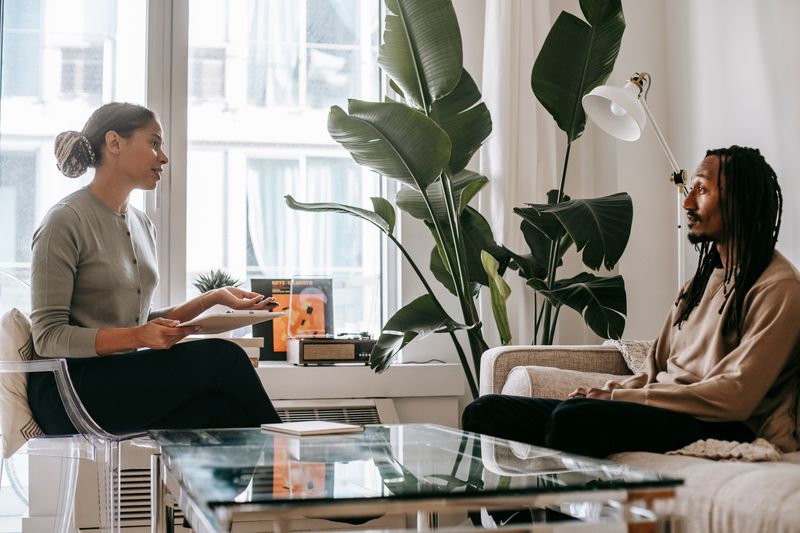
Therapy. NIMH names cognitive behavioral therapy (CBT), which teaches you to recognize and change the thought and behavior patterns that feed depression, and interpersonal therapy (IPT), which works on relationships and support, as front-line talk therapies. For Black women specifically, the fit matters and it is measurable. A 2016 meta-analysis by Gordon Nagayama Hall and colleagues pooled 78 studies with 13,998 participants, 95% of them not European American, and found culturally adapted psychological treatments significantly outperformed comparison conditions, with a moderate-to-large overall effect (g = 0.67), and still beat the identical unadapted version of the same treatment (g = 0.52). A culturally adapted depression program built for Black adults, the Oh Happy Day Class, was tested in a randomized trial by Earlise Ward and colleagues and reduced depressive symptoms, with a greater dose producing a greater reduction. A therapist who understands your context is not a luxury. It is an advantage you can feel.
Medication. Antidepressants work by adjusting the brain chemistry tied to mood. NIMH notes they usually take four to eight weeks to show their full effect, so patience is part of the process. Medication often makes therapy more possible by lowering the baseline weight you are carrying. The right choice is a conversation with a prescriber, not a decision to make from a search result.
Both together. For moderate to severe depression, the combination of therapy and medication frequently works better than either alone, and the Office on Women's Health notes some women respond to therapy, some need medication, and many do best with both.
How to get help, step by step
- Name it to one person. A doctor, a trusted friend, a faith leader. Saying it out loud breaks the silence that depression and the Strong Black Woman script both feed on.
- Tell a provider the real symptoms. Do not just report "I am tired." Say you are exhausted, not sleeping right, irritable, losing interest, and hard on yourself, and that you want to be evaluated for depression. Naming the full picture helps a clinician see past the standard template.
- Find a therapist who fits. Cultural fit improves outcomes. Our guide to finding a Black therapist covers where to look and what to ask.
- Use online therapy if access is the barrier. If schedules, cost, transportation, or local availability are in the way, online therapy connects you with licensed clinicians from home.
- Browse the directory. Search vetted clinicians in our provider directory, and find more guidance in our mental health hub.
- Give treatment time. Antidepressants take four to eight weeks to work fully, and finding the right therapist or medication can take a couple of tries. That is normal, not a sign treatment will fail you.
If you are also dealing with constant worry, a racing heart, or panic alongside the low mood, depression and anxiety often travel together. Our guide to anxiety symptoms in Black adults covers how that shows up and what helps.
Frequently asked questions
How do I know if I am depressed or just stressed and tired? ▼
Stress and tiredness usually ease when the cause passes or you rest. Depression is when the low mood, loss of interest, fatigue, sleep changes, self-criticism, irritability, or physical symptoms last most of the day, nearly every day, for at least two weeks and start interfering with your life. If that sounds like you, it is worth an evaluation.
Why does depression in Black women get missed so often? ▼
Depression in Black women more often shows up as sleep problems, self-criticism, irritability, and physical symptoms rather than visible sadness, and most depression screening was developed in White populations, so the symptom picture does not always match what clinicians are scanning for. The cultural pressure to be strong and push through adds to the silence.
Is the Strong Black Woman role bad for my mental health? ▼
The strength is not the problem. The self-silencing it demands is. Research shows the stronger the obligation to appear strong, the more Black women silence themselves, and that silence predicts more depressive symptoms and, in one study of college-aged women, more suicidal behavior. Asking for help is compatible with being strong.
Does therapy actually work for Black women? ▼
Yes, and it works better when it is culturally adapted. A meta-analysis of 78 studies found culturally adapted treatments produced a moderate-to-large benefit and outperformed even the same treatment delivered without adaptation, and a culturally adapted depression program built for Black adults reduced symptoms in a randomized trial.
What should I do if I am in crisis right now? ▼
Call or text 988 to reach the 988 Suicide and Crisis Lifeline. It is free, confidential, available 24/7, and staffed by trained counselors. If you are in immediate physical danger, call 911.