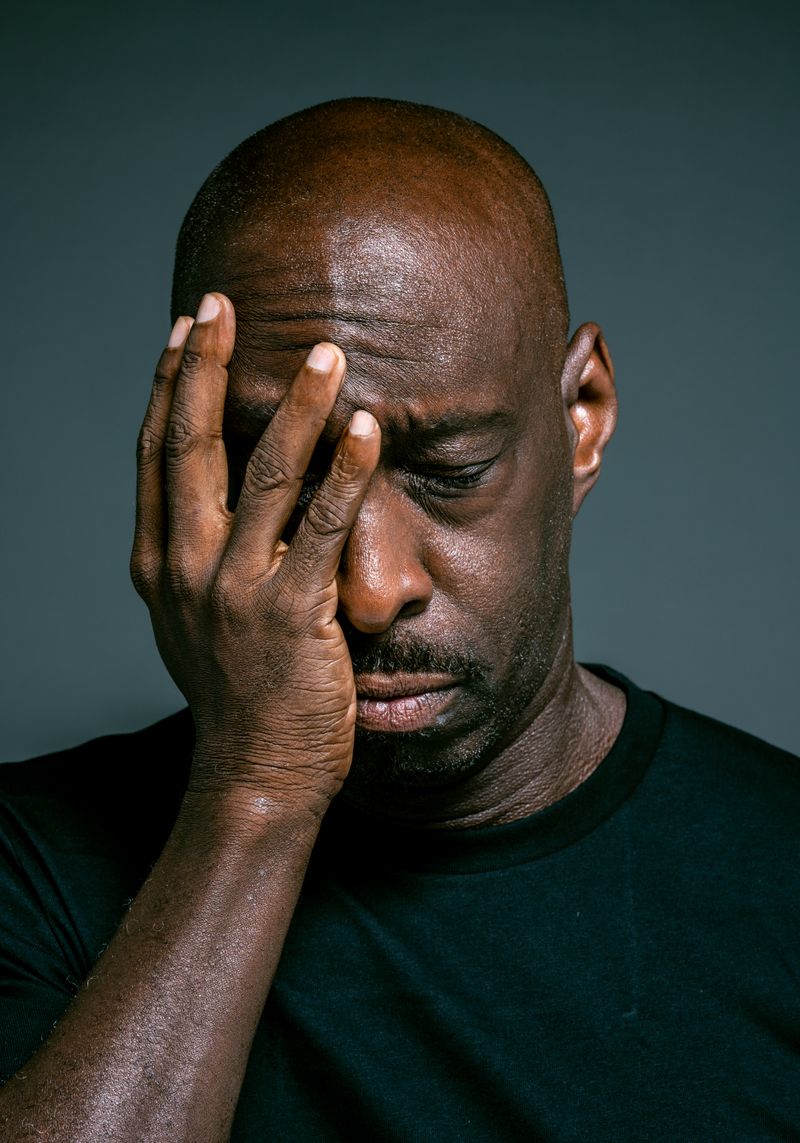
A panic attack is a sudden surge of intense fear that peaks within minutes and comes with physical symptoms so severe they convince you something is killing you: a pounding or racing heart, chest pain, shortness of breath, a choking feeling, dizziness, sweating, shaking, numbness or tingling, and a sense of doom or unreality. The terror is real. The danger is not. A panic attack is not a heart attack, and it does not damage your heart or your brain, even though every signal in your body says otherwise.
What a panic attack actually is
Clinicians define a panic attack as an abrupt surge of intense fear or discomfort that reaches a peak within minutes. The physical symptoms come in a cluster: palpitations, sweating, trembling, shortness of breath, a feeling of choking, chest pain, nausea, dizziness, chills or heat, numbness or tingling, a sense that you or the world is not real, and a fear of losing control or dying. The attack is your body's alarm system firing at full strength when there is no real threat. The sensations are produced by adrenaline and rapid breathing, not by your heart failing.
This is the single most important fact about panic: the feeling of catastrophe is part of the attack, not evidence of one. Panic attacks are intensely uncomfortable and frightening, but they are not physically dangerous, and they pass on their own. Your heart is not the problem. The alarm is.
Panic disorder versus a single attack
A single panic attack is common and does not mean you have a disorder. Panic disorder is the pattern: recurrent, unexpected panic attacks followed by a month or more of persistent worry about having another one, fear of what the attacks mean, or changes in behavior to avoid situations that might trigger them. People with panic disorder often start avoiding the gym, the highway, crowded stores, or anywhere an attack once hit. That avoidance, not the attacks themselves, is often what shrinks a person's life.
Panic disorder is distinct from constant, low-grade worry. If your experience is ongoing dread and physical tension on most days rather than sudden spikes, read our guide to anxiety symptoms in Black adults. The two overlap and can occur together, but panic disorder is specifically about the spike and the fear of the next one.
Why so many Black adults end up in the ER first
Because a panic attack can feel exactly like a heart attack, the emergency room is often the first stop. The numbers show how common this is. Among emergency department patients who came in with chest pain that turned out to have no cardiac cause, 34.5 percent had experienced at least one panic attack in the previous six months, and 77.1 percent of those had visited the ER with chest pain following a panic attack. Going the first time is the right instinct. The problem is what happens after the workup comes back clean.
Community mental health centers see patients on a sliding scale, and they take patients a private practice would turn away over insurance. If you're in crisis right now, our crisis resources page lists free, immediate options. Our directory of free and charitable clinics lists centers by state. A paid online mental health platform is not billed to Medicaid, so check the community mental health center in your county first. If you want to start with a paid platform today:

Talk to a licensed therapist online.
- Sessions by video, phone or chat
- 20% off your first month
- Start from home, on your schedule
 with BetterHelp
Affiliate link, we may earn a commission at no extra cost to you.
Too often the visit ends with "your heart is fine, nothing is wrong," and no referral. The patient leaves relieved but unhelped, the attacks keep coming, and they keep returning to the ER because nobody named what is happening. Non-cardiac chest pain recurs in a large share of cases in the years after the first evaluation, and panic disorder can develop or worsen in the months that follow. "Nothing is wrong with your heart" is true and incomplete. Something is wrong, and it is treatable.
Why panic disorder is missed in Black patients
Anxiety disorders, including panic disorder, are understudied, underdiagnosed, and undertreated in Black Americans. Several forces stack up. First, symptoms get read as physical illness rather than panic, by patients and clinicians both. Many Black adults express distress through the body, reporting somatic symptoms and lower levels of subjective nervousness, which steers a clinical encounter toward a cardiac or medical workup and away from a mental health evaluation. Research also documents that Black patients with anxiety disorders are at higher risk of being misdiagnosed, sometimes with more severe conditions.
Second, treatment gaps are real. In the National Survey of American Life, among people with panic disorder, 36 percent of non-Hispanic whites used mental health services compared with 20 percent of African Americans, and white patients were more likely to be on medication (44.7 percent) than African Americans (25.4 percent). Stigma, the pressure to be the strong one who handles everything, and well-earned mistrust of a medical system that has dismissed Black pain before all keep people from naming what is happening and asking for help.
Sleep paralysis: a culturally specific clue
One feature shows up far more often in Black patients with panic disorder: isolated sleep paralysis, the terrifying experience of waking up unable to move, sometimes with a sense of pressure or a presence in the room. In one study, recurrent sleep paralysis was reported by 59 percent of African Americans with panic disorder, compared with 7 percent of white patients with panic disorder, and by 23 percent of African American community members versus 6 percent of white community members. Researchers have linked the higher rates to chronic psychosocial stress, including poverty and racism. If you have these episodes, mention them to a clinician. They are a recognized clue, not a curse or a sign of weakness.
What to do in the moment
During an attack, the goal is not to stop the fear by force. It is to ride it out while reminding your body the alarm is false. A few techniques help:
- Slow your breathing. Panic speeds breathing, which worsens the dizziness and tingling. Breathe out longer than you breathe in: inhale for four counts, exhale for six, and repeat.
- Ground in your senses. Name five things you can see, four you can hear, three you can touch, two you can smell, and one you can taste. This pulls attention out of the catastrophe loop.
- Name it. Tell yourself: this is a panic attack, it peaks in minutes, it is not dangerous, and it will pass. Naming the alarm reduces its power.
- Do not flee the situation if you can stay. Escaping teaches your brain the place was dangerous and feeds the next attack. Staying, when safe, teaches it the opposite.
The treatment that works
Panic disorder responds well to treatment, which is the part that gets lost in the ER shuffle. Cognitive behavioral therapy is the most effective psychological treatment, and the active ingredient is exposure. Interoceptive exposure deliberately and safely brings on the feared body sensations, by having you breathe fast, spin, or run in place, so your nervous system learns that a racing heart or shortness of breath is not a threat. Across head-to-head analyses, CBT protocols that include interoceptive exposure outperform those that leave it out on panic frequency and overall severity. It is the closest thing the field has to a cure, and it is short-term, not years of therapy.
Medication works too. SSRIs and SNRIs are the recommended first-line drugs and reduce the frequency and intensity of attacks over several weeks. Benzodiazepines (such as alprazolam or clonazepam) calm an attack fast, which is why they get prescribed, but they carry a real risk of physical dependence and difficult withdrawal, and major guidance does not recommend them as first-line or long-term treatment. If you are handed a benzodiazepine, ask about the plan to taper it and about pairing it with an SSRI or therapy. A culturally responsive clinician who takes your symptoms seriously and does not dismiss them makes all of this work better.
How to get care
Start by naming it to a clinician you trust: "I think I am having panic attacks, and I want to be evaluated for panic disorder." Ask specifically for CBT with exposure, and ask whether medication makes sense for you. You can find a Black therapist or psychiatrist in our directory, including clinicians who treat panic and anxiety and understand the cultural context you are bringing. If getting to an office is the barrier, vetted online therapy can connect you with a licensed provider from home. The terror is real, you are not weak, and this is one of the most treatable conditions there is.
Frequently asked questions
Can a panic attack actually cause a heart attack? ▼
No. A panic attack does not cause a heart attack and does not damage your heart, even though the chest pain and racing heart feel identical. The symptoms come from adrenaline and fast breathing. The first time you have new, unexplained chest pain, get it checked medically to rule out a cardiac cause. Once your heart is cleared, repeated similar episodes point to panic.
How long does a panic attack last? ▼
A panic attack peaks within minutes and usually subsides within 10 to 30 minutes, though you may feel drained or on edge for a while afterward. The intensity feels endless in the moment, but the surge is short. This is why slowing your breathing and reminding yourself it will pass are effective.
What is the difference between a panic attack and anxiety? ▼
A panic attack is a sudden, intense spike of fear with strong physical symptoms that peaks in minutes. General anxiety is more constant, lower-grade worry and tension over days or weeks. Panic disorder is recurrent panic attacks plus persistent fear of the next one. The two can occur together. See our guide to anxiety symptoms in Black adults if your experience is more steady worry than sudden spikes.
Why does panic disorder get missed in Black patients? ▼
Symptoms are often read as a physical illness rather than panic, distress is frequently expressed through the body, and Black patients face stigma, the pressure to be strong, and a system that has dismissed their pain. Black Americans with panic disorder are also less likely to receive mental health services or medication than white patients. Naming the symptoms directly and asking for an evaluation helps cut through this.
What is the most effective treatment for panic disorder? ▼
Cognitive behavioral therapy with interoceptive exposure is the most effective treatment. It safely brings on the feared body sensations so your nervous system learns they are not dangerous. SSRIs and SNRIs also work as first-line medication. Benzodiazepines calm an attack quickly but carry dependence risk and are not recommended for long-term use.
Is sleep paralysis related to panic disorder? ▼
It can be. Isolated sleep paralysis, waking up briefly unable to move, is far more common in Black adults with panic disorder than in white patients, and it is a recognized clue clinicians look for. If you experience it, tell your provider. It is a documented feature, not a sign of weakness or anything supernatural.