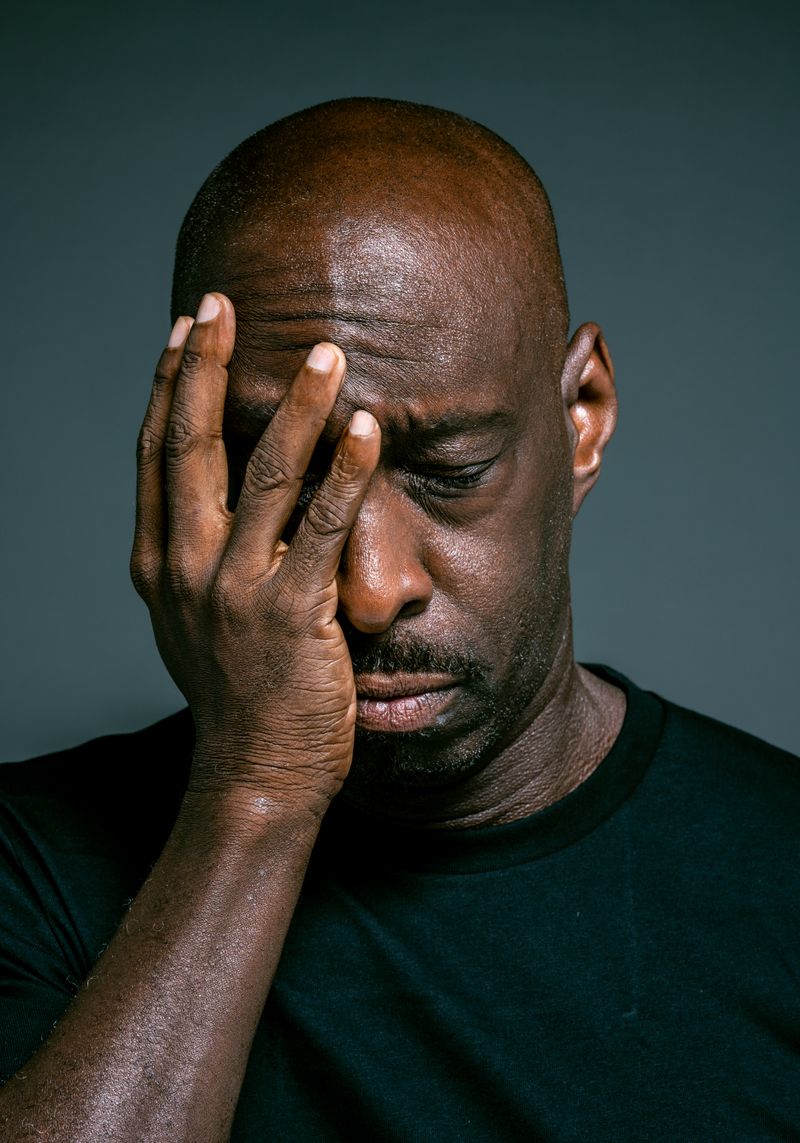
Bipolar disorder is a mood disorder. It moves between episodes of mania or hypomania, when mood and energy run high, and episodes of depression, when both crash. Black Americans who have it are more likely to be told they have schizophrenia instead, because the clinicians who assess them tend to focus on psychotic symptoms and discount the mood symptoms underneath. That mismatch sends people down the wrong treatment path for years.
What bipolar disorder actually is
Bipolar disorder is defined by episodes, not by a constant state. The high end is mania or hypomania: less need for sleep, racing thoughts, rapid speech, inflated confidence, impulsive spending or risk-taking, and sometimes irritability rather than euphoria. The low end is bipolar depression, which looks like major depression from the outside: low mood, fatigue, loss of interest, sleep and appetite changes, and thoughts of death. Bipolar I requires at least one full manic episode. Bipolar II involves hypomania, which is shorter and less disruptive, plus recurrent depression. About 4.4% of U.S. adults meet criteria for bipolar disorder at some point in life, and 82.9% of people with it have serious impairment, the highest of any mood disorder, according to the National Institute of Mental Health.
Most people do not walk into a clinic during mania. They come in during depression, because that is when they feel unwell and want help. That single fact drives a lot of the misdiagnosis problem. A clinician seeing a depressed patient who has never mentioned a high episode can land on major depression and prescribe an antidepressant. If the real diagnosis is bipolar, an antidepressant given without a mood stabilizer can push the person into mania. In bipolar patients, switch rates into mania or hypomania during treatment have ranged from roughly 17% to 49%, and the risk is higher on antidepressant monotherapy than when a mood stabilizer such as lithium is also on board, per a review in the American Journal of Psychiatry.
Why Black patients get the schizophrenia label instead
The pattern is well documented. In a 2019 Rutgers study of 1,657 patients at community outpatient clinics, researchers led by Michael Gara found that Black patients were diagnosed with schizophrenia more often than white patients, and that clinicians underweighted mood symptoms when doing so. The same team reported the same effect in a 2012 study in Archives of General Psychiatry: even after controlling for symptom severity and demographics, Black patients with affective disorders were more likely to be diagnosed with schizophrenia. A 2014 review in the World Journal of Psychiatry by Robert Schwartz and David Blankenship found Black patients are diagnosed with psychotic disorders at a rate three to four times higher than white patients on average.
Community mental health centers see patients on a sliding scale, and they take patients a private practice would turn away over insurance. If you're in crisis right now, our crisis resources page lists free, immediate options. Our directory of free and charitable clinics lists centers by state. A paid online mental health platform is not billed to Medicaid, so check the community mental health center in your county first. If you want to start with a paid platform today:

Talk to a licensed therapist online.
- Sessions by video, phone or chat
- 20% off your first month
- Start from home, on your schedule
 with BetterHelp
Affiliate link, we may earn a commission at no extra cost to you.
Several things stack up to produce this. Clinician bias and diagnostic overshadowing lead assessors to read a Black patient's distress as psychosis rather than mood. Differences in how symptoms are described, and clinicians' unfamiliarity with a patient's normal speech and affect, get coded as disorganized thinking. Earned mistrust of the medical system, built on a documented history of harm, can make patients guarded in ways that read as paranoia. And the diagnosis itself carries history: schizophrenia labels were weaponized against Black men during the civil rights era, reframed in psychiatric literature as a condition of protest and aggression. A 2023 review in the American Journal of Psychiatry by Linda Teplin and colleagues confirmed that across studies, racial and ethnic bias skews psychiatric diagnosis toward schizophrenia and away from mood disorders in Black patients.
Why the wrong diagnosis does real harm
A schizophrenia label usually means antipsychotic medication as the foundation of treatment. Second-generation antipsychotics carry a heavy metabolic burden: significant weight gain, and elevated risk of type 2 diabetes and cardiovascular disease, effects documented across the drug class. For a person who actually has bipolar disorder, those side effects come without the benefit they would get from the right medication. Meanwhile the bipolar disorder goes unmanaged. Delayed diagnosis is its own harm: the gap between first symptoms and an accurate bipolar diagnosis often runs years, and longer delays are linked to more episodes, more hospitalizations, and worse functioning. For a Black reader who has spent years on the wrong medication, that is the cost in concrete terms: side effects you did not need, and a condition that kept cycling untreated.
Depression is frequently the entry point, and bipolar depression is hard to tell apart from unipolar depression in a single visit. We cover the broader picture of how depression presents and gets missed in Black patients in our guides on depression in Black men and depression in Black women.
How an accurate diagnosis is actually made
There is no blood test or scan for bipolar disorder. The diagnosis is built from history over time, which is exactly why a rushed assessment gets it wrong. A thorough evaluation includes a longitudinal history of past episodes, including any period of unusually high energy, reduced sleep, or impulsive behavior that the patient may not have flagged as a problem. It includes a family history, because bipolar disorder runs in families. It often uses mood charting, where you track mood, sleep, and energy day by day so a pattern of cycling becomes visible. And it leans on collateral information from a partner or family member, who frequently remembers high episodes the patient minimized or does not recall.
What to bring and ask: write down any past stretch of little sleep with high energy, fast thinking, or out-of-character spending or risk-taking, and how long it lasted. Bring a relative who has watched you over years if you can. Tell the clinician about every family member with a mood disorder, bipolar disorder, or psychiatric hospitalization. Ask directly: have you screened me for bipolar disorder, and what in my history rules it in or out? If you were put on an antidepressant and then felt revved up, agitated, or sleepless, say so, because that history matters.
What effective treatment looks like
Bipolar disorder responds to mood stabilizers. Lithium is the longest-studied; it stabilizes mood and is the one bipolar medication with strong evidence for reducing suicide and self-harm, shown across dozens of randomized trials. Lamotrigine has randomized-trial support for preventing the depressive side of bipolar disorder, which is where many people spend most of their time. Atypical antipsychotics have a real role in bipolar treatment, for acute mania or as add-on therapy, but the point is that they are one tool used deliberately, not a default applied because the diagnosis was wrong. Psychotherapy adds structure: psychoeducation, routine and sleep stabilization, and relapse-warning-sign planning. A provider who understands your background and takes your history seriously is not a luxury here; it is the difference between being heard and being mislabeled.
How to get a second opinion
If your diagnosis does not match your history, you are allowed to ask for a re-evaluation, and you are allowed to seek a second opinion from a different clinician. Bring your episode timeline, your family history, and a relative who can corroborate. A culturally competent provider, one who reads your affect and speech accurately and takes your reported mood symptoms at face value, changes the odds of getting it right. You can find a Black psychiatrist or therapist in our directory, and if in-person options are limited where you live, our online therapy guide covers telehealth providers by state. Ask any new provider directly whether they have considered bipolar disorder and what in your history supports their conclusion.
Frequently asked questions
Why are Black patients misdiagnosed with schizophrenia instead of bipolar disorder? ▼
Studies show clinicians tend to weigh psychotic symptoms heavily and mood symptoms lightly when assessing Black patients, which pushes the diagnosis toward schizophrenia and away from mood disorders like bipolar. Bias, unfamiliarity with a patient's normal communication, patient guardedness rooted in justified mistrust, and the historical use of schizophrenia labels against Black people all contribute.
Can an antidepressant make bipolar disorder worse? ▼
Yes. In someone who actually has bipolar disorder, an antidepressant taken without a mood stabilizer can trigger a switch into mania or hypomania. This is one reason an accurate diagnosis matters before treatment starts, and why it is worth telling your prescriber if an antidepressant ever left you feeling wired, sleepless, or agitated.
What is the difference between bipolar I and bipolar II? ▼
Bipolar I requires at least one full manic episode, which is severe and can include psychosis or need for hospitalization. Bipolar II involves hypomania, a milder and shorter high, along with recurrent depressive episodes. People with bipolar II often spend more time depressed, which is part of why it is frequently mistaken for major depression.
How is bipolar disorder diagnosed? ▼
There is no lab test. Diagnosis is based on a longitudinal history of mood episodes, family history, and often collateral information from someone close to you, sometimes supported by mood charting over time. A single brief visit is rarely enough, which is why bring a relative and a written episode timeline if you can.
How do I get my bipolar or schizophrenia diagnosis re-evaluated? ▼
You can ask your current clinician to reassess, or seek a second opinion from a different provider. Bring a timeline of past high and low episodes, your family psychiatric history, and a relative who can corroborate what they have observed. Ask the provider directly whether bipolar disorder has been considered and what in your history rules it in or out.