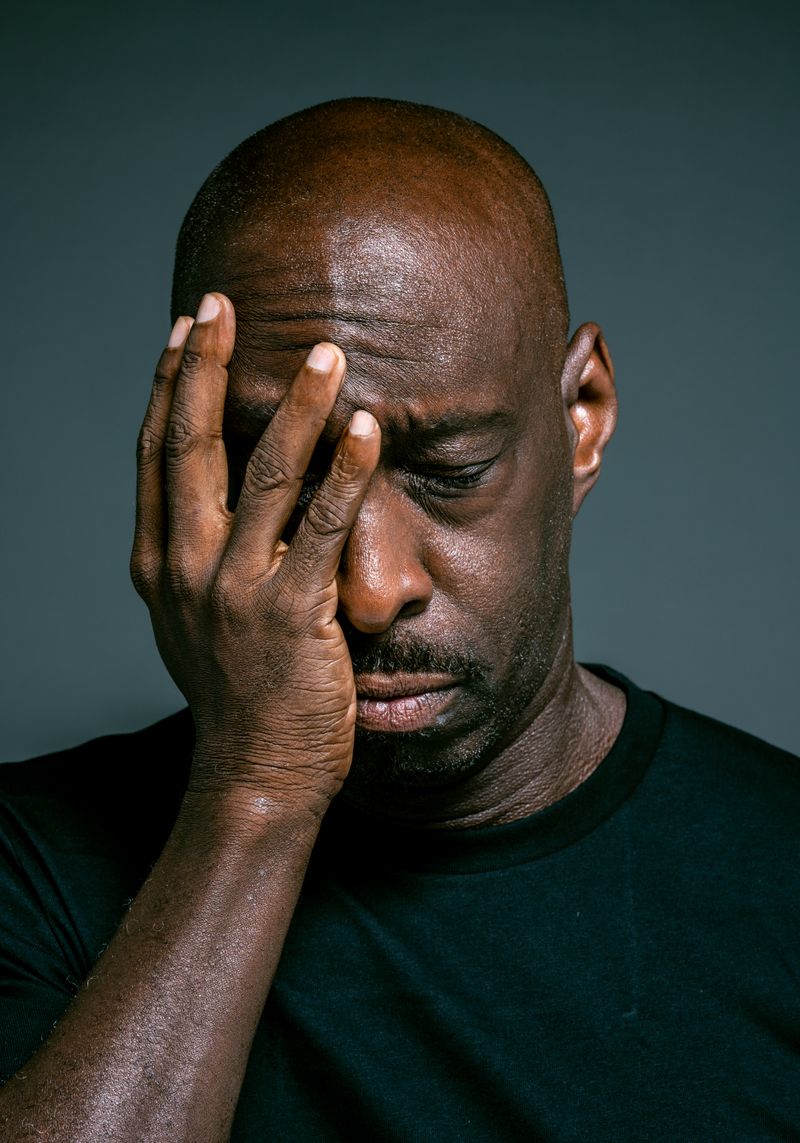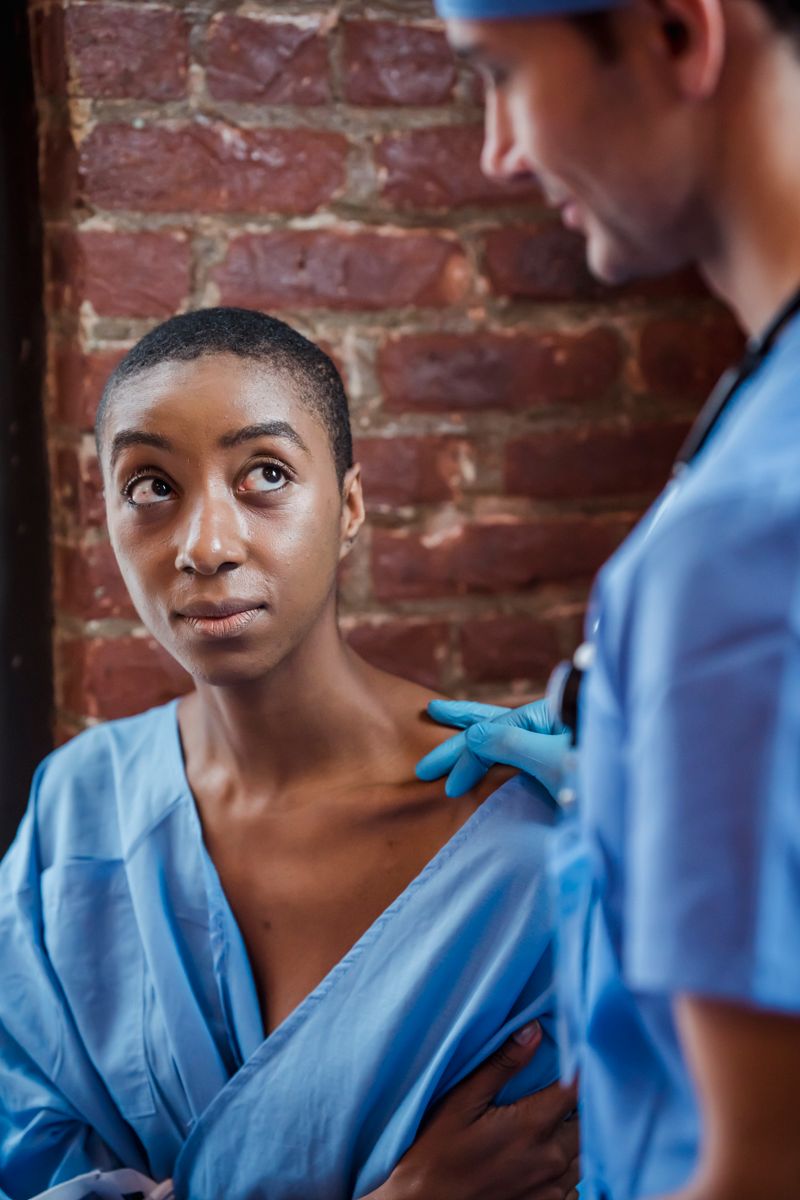
Eating disorders are mental illnesses that change how someone eats, thinks about food, and relates to their body. They are not a choice, a diet gone too far, or a bid for attention. Anorexia nervosa carries the highest mortality of any mental illness, with a death rate five to six times that of the general population (Arcelus et al., 2011). Black women develop eating disorders at least as often as white women, and Black teenage girls are more likely than white girls to binge and purge. Despite that, when clinicians read identical case descriptions, they flagged a Black woman's eating behavior as a problem only 17 percent of the time, against 44 percent for a white woman with the same symptoms (Gordon et al., 2006). The illness is here. The screening is not.
The stereotype is wrong, and it is dangerous
The picture most people carry of an eating disorder is a thin, white, affluent teenage girl. That image is a marketing artifact, not the epidemiology. Eating disorders occur across every race, body size, gender, and income level. The National Eating Disorders Association is direct about it: the assumption that these are illnesses of white, wealthy women keeps everyone else from being seen. The harm is not abstract. When a clinician believes Black women do not get eating disorders, that belief shapes whether they ask the question, whether they take the answer seriously, and whether they refer.
The evidence on that bias is hard to wave away. In a study published in Behavior Therapy, 91 clinicians read a vignette describing a young woman with clearly disordered eating. The passages were identical except for the woman's race. Clinicians identified the behavior as a problem in 44 percent of cases when she was described as white and 41 percent when Hispanic, but only 17 percent when she was Black. They were also less likely to recommend that the Black woman get professional help (Gordon et al., 2006). Same symptoms, different race, far less concern.
The data on who actually develops these illnesses cuts against the stereotype too. One widely cited analysis found Black teenage girls were 50 percent more likely than white girls to show bulimic behavior, including bingeing and purging (Goeree, Ham, and Iorio; reported via NEDA). Black women carry binge eating disorder at roughly double the rate of white women, about 5 percent versus 2.5 percent, according to clinicians at Boston Medical Center. Yet across the board, Black, Indigenous, and other people of color are about half as likely to be diagnosed or to receive treatment.
The types that get missed most
Eating disorders are not one illness. The two that get overlooked most often in Black women are the two that do not match the stereotype.
Binge eating disorder
Binge eating disorder is the most common eating disorder in the United States, with a lifetime prevalence of 2.8 percent, more than anorexia and bulimia combined (NIMH). It involves recurring episodes of eating large amounts of food with a sense of loss of control, usually without the purging seen in bulimia. It is not overeating at a holiday meal. It is a repeated, distressing pattern that people often hide. Among adults with binge eating disorder, 62.6 percent report functional impairment and 18.5 percent report severe impairment (NIMH).
Whatever brought you to this page, community health centers see patients regardless of insurance and charge on a sliding scale that is often $0. Our directory of free and charitable clinics lists centers by state. A same-day telehealth visit is self-pay and is not billed to Medicaid, so if you have Medicaid the clinic route will usually cost less. If you would rather see a clinician online today:

See a doctor online today.
- Same-day video visits from $34
- Price shown before you book
- No insurance needed
 with Sesame Care
Affiliate link, we may earn a commission at no extra cost to you.
In Black women, binge eating disorder is frequently reframed as something else. Stress eating. Emotional eating. A coping habit. A larger body gets read as a lifestyle issue rather than a symptom. Researchers point to the link between trauma, the internalized pressure to be a strong Black woman who handles everything alone, emotional self-silencing, and binge eating: women who absorbed the strong-Black-woman message were more likely to suppress emotion and turn to food, which predicted bingeing (Harrington, Crowther, and Shipherd, 2010). Naming that pattern is not weakness. It is the path to the right diagnosis.
Atypical anorexia
Atypical anorexia is anorexia in someone who is restricting food and losing weight but who is not underweight by the numbers. The starvation physiology is the same. The danger is the same. Reviews of hospitalized adolescents found that medical complications in atypical anorexia can be as severe as in classic anorexia, including dangerously low phosphate levels and an unstable heart rate, and that medical instability shows up across a range of body weights, driven by the weight loss itself rather than by being thin (Whitelaw et al.; Moskowitz and Weiselberg). Because the person is not visibly emaciated, the diagnosis is the one most often missed. For a Black woman, who is already less likely to be asked, that is a second filter she has to pass through.
What the warning signs actually look like
You cannot tell who has an eating disorder by looking at their body. The signs are in behavior and thinking, not on the scale:
- Preoccupation with food, weight, calories, or body shape that takes up mental space.
- Eating in secret, hiding food, or distress around eating in front of others.
- Purging: self-induced vomiting, laxatives, or diuretics.
- Compulsive exercise that feels non-negotiable, even when injured or exhausted.
- Large or rapid changes in weight, in either direction.
- Rigid food rules, frequent new diets, or cutting out whole categories of food.
- Withdrawal from meals, social events, or activities that involve eating.
One sign is not a diagnosis. A cluster that persists, or any purging, is a reason to talk to a clinician.
Why Black women get underdiagnosed
Several forces stack on top of each other. The stereotype tells clinicians not to look. Documented clinician bias means that even when symptoms are described plainly, Black women are flagged and referred less often (Gordon et al., 2006). A larger body gets read as a weight-management problem rather than a possible eating disorder, and a screening tool like the SCOFF questionnaire was built and validated mostly on white populations, so it can miss culturally specific presentations. Food insecurity adds another layer: when access to food is unstable, disordered eating can get explained away as an economics problem instead of a mental-health one. And the cultural pressure to be self-reliant and uncomplaining keeps many Black women from raising it at all. None of these is a reason the illness is not real. Each is a reason it goes unnamed.
What it does to the body
Eating disorders are medical illnesses with physical consequences. Restriction and purging can disrupt heart rhythm, drop blood pressure, throw off electrolytes like potassium and phosphate, weaken bone, damage the digestive tract, and stop menstrual cycles. Binge eating disorder raises the risk of high blood pressure, type 2 diabetes, and heart disease, conditions that already hit Black women harder. The mental-illness burden is not separate from the physical one. People with anorexia are markedly more likely to die, from both medical complications and suicide, which is why early diagnosis is not optional (Arcelus et al., 2011).
Treatment works, and it is specific
Eating disorders are treatable, and the treatments are evidence-based. For bulimia and binge eating disorder, cognitive behavioral therapy is the first-line approach, sometimes paired with medication. For adolescents with anorexia, family-based treatment, which puts parents in charge of refeeding while the family works with a clinician, is the first-line and fastest-acting option. Care almost always involves a team: a therapist, a medical clinician monitoring vitals and labs, and a dietitian. Recovery is realistic, and earlier treatment works better, which is exactly why the diagnosis gap matters.
How to get care
Start by naming it plainly to a clinician you trust: say what you are doing with food, how often, and how it makes you feel, and ask directly whether it could be an eating disorder. If you are brushed off because of your size, you can ask for a referral to an eating-disorder specialist or get a second opinion. A culturally responsive provider, one who understands the strong-Black-woman pressure, food-insecurity context, and the bias baked into screening, makes it far more likely you are heard the first time. You can find a Black therapist or other Black clinician in our directory, and many offer online therapy if in-person care is hard to reach. If anxiety or low mood is part of the picture, our guides on anxiety symptoms in Black adults and depression in Black women can help you describe what you are feeling.
Frequently asked questions
Can you have an eating disorder if you are not underweight? ▼
Yes. Atypical anorexia involves food restriction and weight loss without being underweight, and its medical complications can be as severe as classic anorexia. Binge eating disorder and bulimia also occur across all body sizes. You cannot diagnose an eating disorder by body size.
What is the most common eating disorder? ▼
Binge eating disorder is the most common in the United States, with a lifetime prevalence of about 2.8 percent, more than anorexia and bulimia combined. Black women have it at roughly twice the rate of white women, yet it is frequently missed or reframed as ordinary stress eating.
Why are eating disorders missed in Black women? ▼
The stereotype that eating disorders only affect thin white women leads clinicians not to ask. Studies show that even with identical symptoms, Black women are flagged and referred far less often. Larger bodies get read as weight problems, screening tools were validated mostly on white patients, and food insecurity gets blamed instead.
Are eating disorders dangerous? ▼
Yes. Anorexia has the highest mortality of any mental illness, and eating disorders can cause heart-rhythm problems, electrolyte imbalances, bone loss, and organ damage. They are serious medical illnesses, not vanity. Early treatment substantially improves outcomes.
What treatment works for eating disorders? ▼
Cognitive behavioral therapy is first-line for bulimia and binge eating disorder, sometimes with medication. Family-based treatment is first-line for adolescents with anorexia. Care typically combines therapy, medical monitoring, and nutritional support. Recovery is realistic, especially with earlier treatment.
Where can I get help right now? ▼
If you are in crisis or having thoughts of self-harm, call or text 988. For eating-disorder support, use the National Eating Disorders Association screening tool and treatment finder at nationaleatingdisorders.org. To find a clinician who understands the cultural context, search our directory for a Black therapist.