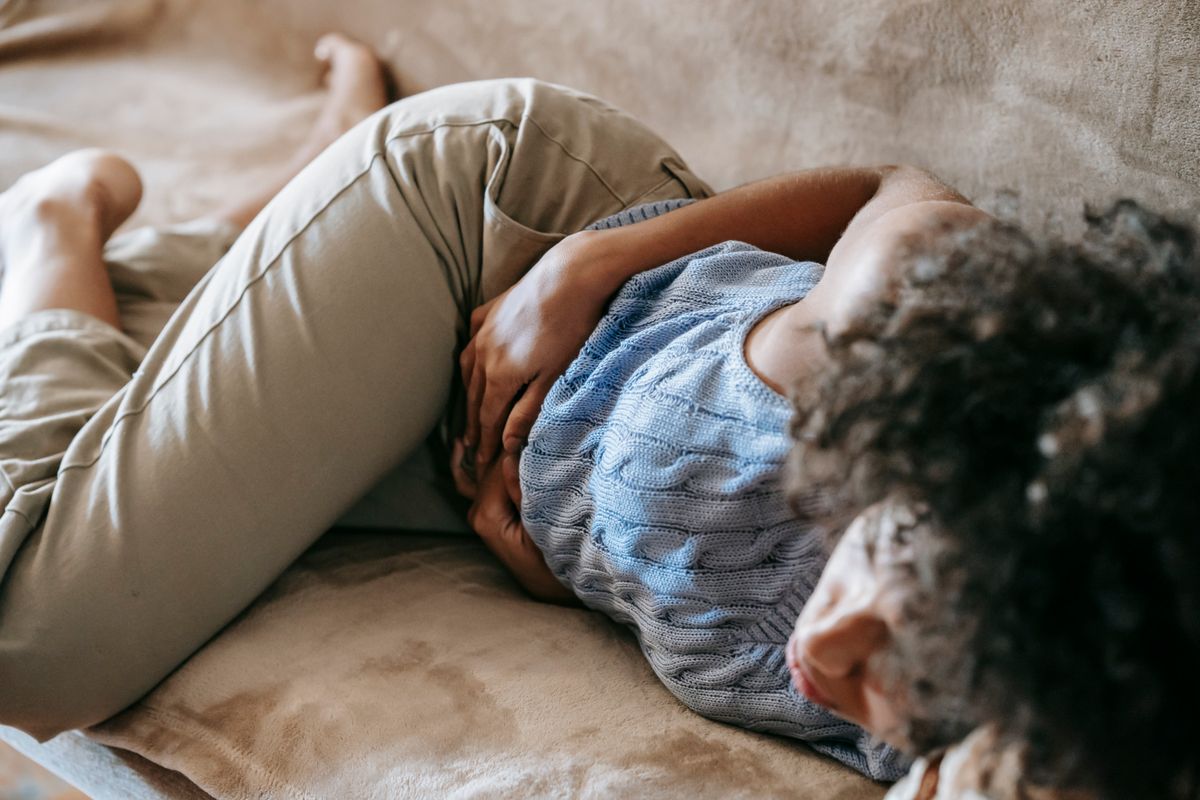
If you have steady, worsening pain low in your belly, a fever, and a change in your bathroom habits, diverticulitis is one of the first things a doctor will check for. It happens when one of the small pouches that bulge out from the colon wall, called diverticula, becomes inflamed or infected. Most people with those pouches never feel a thing. The trouble starts when a pouch flares.
Diverticulosis vs diverticulitis: know the difference
Diverticulosis is the presence of the pouches themselves. It is extremely common with age and usually causes no symptoms at all. Most people who have it never know unless a colonoscopy or scan picks it up. Diverticulitis is the painful part: one of those pouches becomes inflamed or infected. According to the National Institute of Diabetes and Digestive and Kidney Diseases (NIDDK), only a minority of people with diverticulosis ever go on to develop diverticulitis. So having the pouches is not a diagnosis to panic over. A flare is.
What a flare feels like
The classic sign is persistent abdominal pain, most often in the lower left side, that builds over a day or two rather than coming and going. NIDDK lists the usual companions: fever, nausea, vomiting, loss of appetite, bloating, and a change in bowel habits such as constipation or diarrhea. The pain is steady and tender to the touch, not the crampy, passing pain of gas or a stomach bug.
When it sits on the right and looks like appendicitis
Here is the part that gets missed. Diverticulitis can settle on the right side of the colon, where it produces right-lower-belly pain, fever, and nausea that mirror acute appendicitis almost exactly. Right-sided disease tends to show up at a younger age. In one published series the average age was 53, about 11 years younger than left-sided patients, and it is reported far more often in people of Asian descent. A case series in the Journal of Emergency Medicine documented patients sent toward the operating room for a presumed appendix who turned out to have right-sided diverticulitis on a CT scan, which is usually managed with medicine rather than surgery. If your pain is on the right, say so clearly and ask whether a CT scan has ruled out both. The two need different treatment.
Why this matters more for Black patients
The disparity is not in who gets the pouches. It is in how the disease lands once it flares and reaches surgery. Studies of national surgical data find Black patients arriving sicker and faring worse, and the gap tracks closely with insurance and access rather than biology.
That 2008 analysis in Archives of Surgery found Black patients were more likely to present with complicated disease (odds ratio 1.16) and had higher in-hospital mortality (odds ratio 1.41) than White patients, and that inadequate insurance was an even stronger predictor of severe disease and death than race itself. The authors concluded the difference traced to how sick patients were when they arrived, not to the care delivered once admitted. A more recent 2023 study of emergency colectomies in the Southern Medical Journal found non-White patients had more complications and were significantly more likely to stay in the hospital longer than 30 days. The practical lesson: do not wait out a flare at home hoping it passes. Arriving early is the part you control.
Whatever brought you to this page, community health centers see patients regardless of insurance and charge on a sliding scale that is often $0. Our directory of free and charitable clinics lists centers by state. A same-day telehealth visit is self-pay and is not billed to Medicaid, so if you have Medicaid the clinic route will usually cost less. If you would rather see a clinician online today:
See a doctor online today.
- Same-day video visits from $34
- Price shown before you book
- No insurance needed
 with Sesame Care
Affiliate link, we may earn a commission at no extra cost to you.
How a flare is worked up
A doctor will press on your belly to find where it hurts, check your temperature, and order bloodwork looking for signs of infection. The key test is a CT scan of the abdomen and pelvis, which confirms the diagnosis, shows which side is involved, and reveals whether there is a complication such as an abscess. The American College of Physicians (ACP) 2022 guideline recommends CT for the initial diagnosis when the picture is uncertain. This is also why a scan is worth asking for when pain sits on the right: it settles the appendicitis question.
Treatment has changed: many cases skip antibiotics
For decades, every diverticulitis case got antibiotics. That has shifted. The ACP guideline and the American Gastroenterological Association (AGA) 2021 practice update both say antibiotics can be used selectively rather than routinely in otherwise healthy people with mild, uncomplicated diverticulitis. Many of these patients are managed at home with rest, fluids, and a temporary lighter diet, and they recover without antibiotics at all. Antibiotics are still strongly advised when the disease is complicated, when symptoms are severe, or for people who are frail or have a weakened immune system. The decision is individual, so ask your clinician where you fall.
The nuts-and-seeds myth, finally put down
For years people with diverticulosis were told to avoid nuts, seeds, popcorn, and corn on the theory that the bits would lodge in a pouch and cause trouble. The evidence does not support that. A 2008 study in JAMA followed 47,228 men for 18 years and found no link between eating nuts, corn, or popcorn and developing diverticulitis or diverticular bleeding. If anything, men who ate nuts and popcorn most often had a slightly lower risk. NIDDK now states plainly that these foods are not harmful in diverticular disease. You do not need to avoid them.
The diet and habits that actually prevent flares
The real prevention is a high-fiber diet built on whole grains, fruits, vegetables, and beans, with plenty of fluids. NIDDK points to roughly 25 grams of fiber a day for women and 38 grams for men. Beyond fiber, a long-running cohort study published in Gastroenterology in 2017 found that men who combined five healthy habits (a high-fiber and low-red-meat diet, regular vigorous activity, a normal body weight, and not smoking) had a 31 percent lower risk of diverticulitis than men with none of them. Later work found the lifestyle benefit held even in people with a genetic tendency toward the disease. The same habits that protect your heart protect your colon.
After you recover: colonoscopy and when surgery is considered
Once a flare settles, doctors often recommend a colonoscopy several weeks later to make sure the inflammation was not masking something else, including colon cancer. The ACP guideline suggests follow-up colonoscopy especially after a complicated episode and for anyone not already up to date on colon cancer screening, which Black adults should begin at age 45. The scope is usually delayed about six to eight weeks so the colon can heal. Surgery to remove the affected segment is reserved for recurrent or complicated disease, such as a persistent abscess, a fistula, a blockage, or repeated severe attacks, and it is a planned conversation with a colorectal surgeon, not an automatic next step.
If your symptoms look more like ongoing cramping, bloating, and shifting bowel habits without fever, that may point elsewhere, such as irritable bowel syndrome, which a clinician can help sort out.
How to get care
For a suspected flare, an urgent care center or emergency room can examine you and order the CT scan. For ongoing digestive symptoms, prevention, and the post-recovery colonoscopy, a primary care clinician or a gastroenterologist is the right call. You can find a Black gastroenterologist or primary care clinician in our directory who understands the access gaps that drive these outcomes and will take your pain seriously the first time you describe it.
Frequently asked questions
Can diverticulitis pain be on the right side? ▼
Yes. While most diverticulitis pain is in the lower left belly, it can sit on the right, where it closely mimics appendicitis with right-lower-quadrant pain, fever, and nausea. Right-sided disease tends to appear at a younger age and is more common in people of Asian descent. A CT scan is the way to tell diverticulitis from appendicitis, since the two need different treatment.
Do I have to avoid nuts, seeds, and popcorn with diverticulitis? ▼
No. The old advice to avoid nuts, seeds, popcorn, and corn is a myth. A large JAMA study following men for 18 years found no link between these foods and diverticulitis or diverticular bleeding, and NIDDK now says they are not harmful. A high-fiber diet, which includes many of these foods, is actually protective.
Is diverticulitis always treated with antibiotics? ▼
Not anymore. Current ACP and AGA guidance says antibiotics can be used selectively rather than routinely in healthy people with mild, uncomplicated diverticulitis, and many such cases are managed at home without them. Antibiotics are still strongly advised for complicated disease, severe symptoms, or people who are frail or immunocompromised. Ask your clinician which group you are in.
When is diverticulitis an emergency? ▼
Seek emergency care for severe or rapidly worsening abdominal pain, a high fever with chills, inability to keep fluids down, or inability to pass stool or gas. These can signal a perforation or abscess that needs urgent treatment. Do not wait it out at home.
Why do Black patients have worse diverticulitis outcomes? ▼
Studies of national surgical data find Black patients more often arrive with complicated disease and have higher mortality after surgery. Researchers tie the gap largely to how sick patients are at presentation and to insurance and access barriers rather than to the care given once admitted. Getting evaluated early, before a flare turns complicated, is the strongest protection.
Do I need a colonoscopy after diverticulitis? ▼
Often, yes. Doctors commonly recommend a colonoscopy several weeks after recovery, especially after a complicated episode or if you are not up to date on colon cancer screening, to rule out other causes including colon cancer. It is usually delayed about six to eight weeks so the colon can heal first.