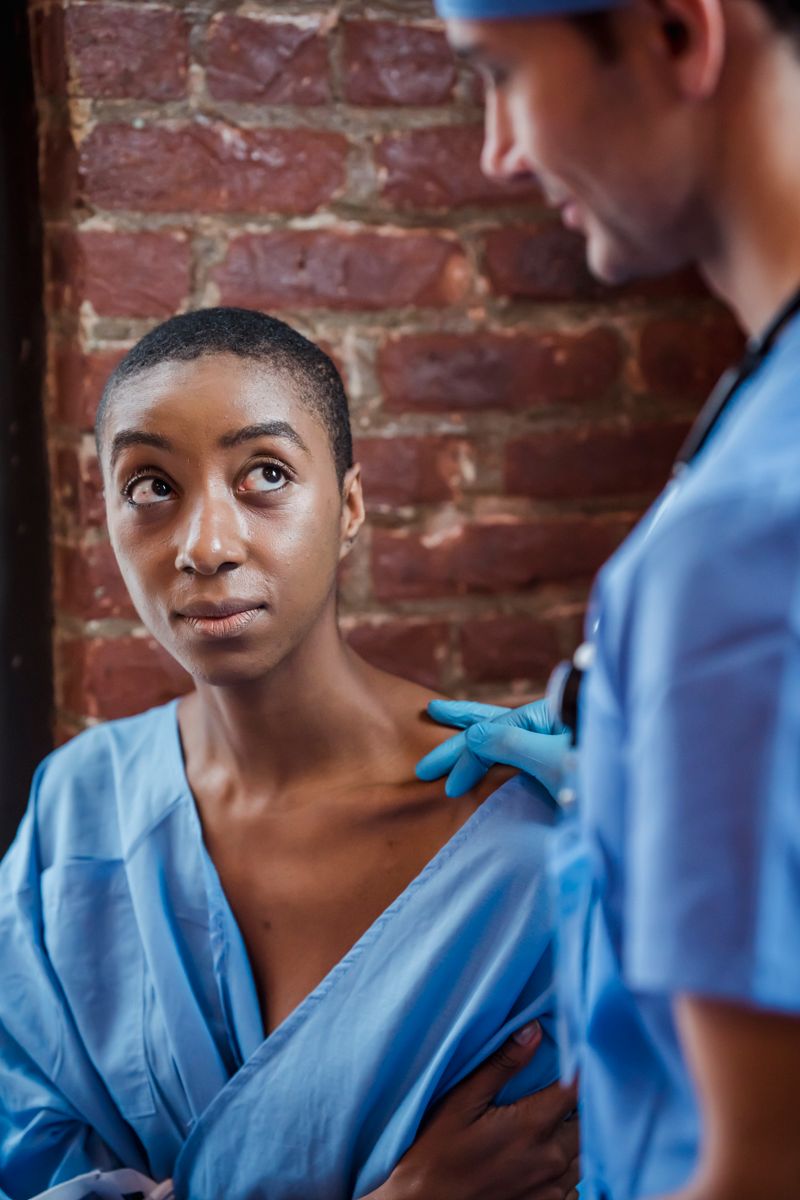
Liver cancer kills Black Americans at higher rates than white Americans, and the gap in death rates is wider than the gap in how often the disease is diagnosed. In 2025 the American Cancer Society reported that liver cancer incidence is 46% higher in Black men than white men and 28% higher in Black women, while liver cancer death rates run 45% higher in Black men and 22% higher in Black women. That pattern, a bigger disparity in dying than in getting the disease, points to later diagnosis and less access to treatment, not biology alone.
What liver cancer is, and where it comes from
The most common liver cancer is hepatocellular carcinoma, or HCC, which starts in the main liver cells. It rarely appears in a healthy liver. In most cases it grows out of years of liver damage and scarring, called cirrhosis. Anything that injures the liver over a long time can lead there.
Four causes drive most liver cancer, and all four hit Black communities hard:
- Chronic hepatitis B. A lifelong viral infection of the liver that can cause cancer even before cirrhosis sets in. Black Americans carry a disproportionate share of chronic hepatitis B in the United States.
- Chronic hepatitis C. A bloodborne viral infection that slowly scars the liver. It is now curable with pills.
- Alcohol-related liver disease. Heavy, sustained drinking that damages the liver.
- Fatty liver disease (MASLD). Fat building up in the liver, tied to weight and diabetes. It is the fastest-growing cause of liver cancer in the country.
The viral and metabolic causes are where prevention starts. If you want the full picture on the two infections that drive the most HCC, read our guides on hepatitis B in Black adults and hepatitis C in Black adults. Liver cancer is the downstream disease; those infections are the upstream cause you can treat or prevent.
The survival gap, and why it exists
The survival gap is not mainly about who develops liver cancer. It is about when the cancer is found and what happens next. A review of US data found that Black patients were 26% more likely to be diagnosed with late-stage HCC and had a 34% lower chance of early tumor detection than white patients. By the time liver cancer causes symptoms, the window for a cure has usually closed.
Treatment access is the other half. The same review found Black patients had substantially lower odds of receiving the treatments that cure HCC, including liver transplant, surgical removal, and ablation. One analysis of national data found Black patients had 52% lower odds of getting a liver transplant. These gaps persisted even among people with insurance. Black patients consistently show the worst survival of any group, despite overall improvements in liver cancer care.
Whatever brought you to this page, community health centers see patients regardless of insurance and charge on a sliding scale that is often $0. Our directory of free and charitable clinics lists centers by state. A same-day telehealth visit is self-pay and is not billed to Medicaid, so if you have Medicaid the clinic route will usually cost less. If you would rather see a clinician online today:

See a doctor online today.
- Same-day video visits from $34
- Price shown before you book
- No insurance needed
 with Sesame Care
Affiliate link, we may earn a commission at no extra cost to you.
Surveillance is the part that saves lives
Here is the message that matters most. Early HCC is often curable. Symptomatic HCC usually is not. The way to find it early is surveillance: a liver ultrasound, with or without a blood test called AFP (alpha-fetoprotein), every 6 months.
The American Association for the Study of Liver Diseases recommends this twice-yearly surveillance for every adult with cirrhosis. It also recommends surveillance for high-risk people with chronic hepatitis B even before cirrhosis develops, and its guidance names Africans and African Americans with hepatitis B among those high-risk groups. If you have cirrhosis from any cause, or chronic hepatitis B, this is not optional. It is the standard of care, and it is the lever with the most power to close the survival gap.
If your doctor has told you that you have cirrhosis or chronic hepatitis B and you are not getting a liver ultrasound twice a year, you are missing the one test most likely to catch a curable cancer. Ask for it by name.
The symptoms, which usually come late
Liver cancer often causes no symptoms until it is advanced. When symptoms do appear, they include pain or a hard lump high on the right side of the abdomen, unexplained weight loss, loss of appetite, a swollen belly, and easy bruising or bleeding. Jaundice, a yellowing of the skin and the whites of the eyes, is a key sign. On darker skin the yellow tint can be hard to see, so check the whites of your eyes and the inside of your mouth where it shows more clearly. A sudden worsening of liver disease you already know about is also a warning.
The prevention playbook
Most liver cancer traces back to liver disease you can prevent or treat. The playbook:
- Get the hepatitis B vaccine. It is the only vaccine that prevents a cancer-causing infection. Black Americans have had lower hep B vaccine coverage, which is part of why the disease burden is higher.
- Get tested for hepatitis B and C. Both can sit silent for decades. Hepatitis C is now curable with a short course of pills, and treating hepatitis B lowers cancer risk.
- Limit alcohol. Heavy drinking damages the liver and raises HCC risk, and it stacks with fatty liver disease.
- Manage weight and diabetes. Fatty liver disease is the fastest-rising cause of liver cancer. Controlling weight, blood sugar, and cholesterol protects the liver.
- If you already have cirrhosis or chronic hep B, get surveillance. Twice-yearly ultrasound is prevention of the deadly version of this disease, even if it cannot prevent the cancer itself.
How to get care
If you have cirrhosis, chronic hepatitis B or C, or a history of heavy drinking or fatty liver disease, you should be under the care of a liver specialist. A gastroenterologist or hepatologist orders surveillance, treats the underlying liver disease, and coordinates cancer treatment if it is needed. You can find a Black gastroenterologist or hepatologist in our directory. Bring one question to your first visit: given my liver, do I need an ultrasound every 6 months, and if so, when is the next one scheduled?
Frequently asked questions
Why is liver cancer more deadly for Black Americans? ▼
Black Americans are diagnosed with liver cancer at later stages and are less likely to receive curative treatments such as liver transplant, surgery, or ablation, even when insured. Lower rates of the twice-yearly surveillance that catches cancer early also play a part. The result is a wider gap in death rates than in how often the disease occurs.
Who should get liver cancer surveillance? ▼
Anyone with cirrhosis from any cause should get a liver ultrasound, with or without an AFP blood test, every 6 months. People with chronic hepatitis B who are at high risk, which AASLD guidance includes African and African American patients, should also be in surveillance even without cirrhosis. Ask your doctor whether your liver puts you in either group.
Can liver cancer be cured? ▼
Early hepatocellular carcinoma, found before it causes symptoms, can often be cured with transplant, surgical removal, or ablation. Liver cancer found after symptoms appear is usually advanced and much harder to treat. That is why surveillance, which catches it early, is so important for people at risk.
What does liver cancer look like on dark skin? ▼
The classic sign is jaundice, a yellow tint to the skin and eyes. On darker skin the yellowing can be subtle and easy to miss on the skin, so check the whites of your eyes and the inside of your mouth, where it shows more clearly. Other signs include upper-right abdominal pain or a lump, weight loss, a swollen belly, and easy bruising.
Does the hepatitis B vaccine prevent liver cancer? ▼
Yes, indirectly. Chronic hepatitis B is a leading cause of liver cancer, and the hep B vaccine prevents the infection. It is the only vaccine that prevents a cancer-causing infection in adults. Black Americans have had lower hep B vaccine coverage, which contributes to higher rates of both the infection and liver cancer.
Is fatty liver disease a real liver cancer risk? ▼
Yes. Fatty liver disease, now called MASLD, is the fastest-growing cause of liver cancer in the United States, driven by rising obesity and diabetes. It can lead to cirrhosis and then cancer. Managing weight, blood sugar, and cholesterol, and limiting alcohol, lowers the risk.