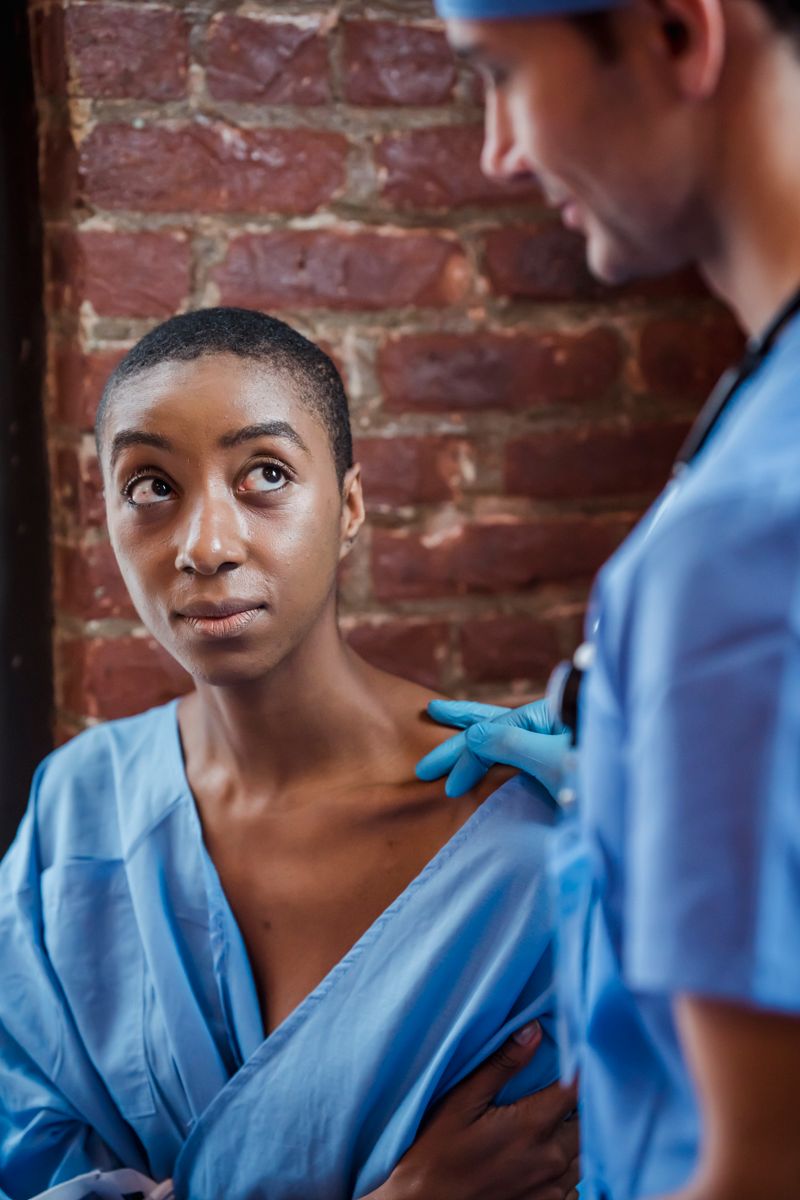
Ovarian cancer is deadly because there is no reliable screening test and it is usually caught late. For Black women the problem is sharper: incidence is lower than in white women, but survival is worse, and the gap is widening. Between 1975 and 2016 the five-year relative survival rate rose from 33% to 48% among non-Hispanic white women while it fell from 44% to 41% among Black women, according to the National Cancer Institute. Black women have captured none of the survival gains of the last four decades. Most of that gap traces to later diagnosis and unequal treatment, not biology, which means it can be closed.
Why ovarian cancer is so dangerous
Ovarian cancer kills more women than any other cancer of the female reproductive system, mostly because it is hard to catch early. There is no Pap-style test that finds it. The American Cancer Society is direct: "There are no recommended screening tests for ovarian cancer for women without symptoms or high risk," and Pap and HPV tests, which screen for cervical cancer, "only rarely detect ovarian cancer." The CA-125 blood test and transvaginal ultrasound are useful when symptoms or risk are present, but as average-risk screening they lead to more surgeries without lowering deaths. Because no test reliably catches it early, most ovarian cancers are found after they have spread, when they are far harder to treat.
The symptoms women and doctors dismiss
Ovarian cancer is not silent. It produces symptoms that are easy to write off as bloating, stress, or aging. The American Cancer Society names four:
- Bloating that does not go away
- Feeling full quickly or trouble eating
- Pelvic or abdominal (belly) pain
- Urinary symptoms such as urgency or frequency
The signal is change and persistence. When these come from ovarian cancer, they are new, they are a shift from your normal, and they happen often. The American Cancer Society advises that if you have these symptoms "more than 12 times a month, see your doctor." Track when symptoms started and how often they occur. A written log of three weeks of daily bloating is harder for a clinician to dismiss than a vague complaint.
Lower incidence, worse survival
Whatever brought you to this page, community health centers see patients regardless of insurance and charge on a sliding scale that is often $0. Our directory of free and charitable clinics lists centers by state. A same-day telehealth visit is self-pay and is not billed to Medicaid, so if you have Medicaid the clinic route will usually cost less. If you would rather see a clinician online today:

See a doctor online today.
- Same-day video visits from $34
- Price shown before you book
- No insurance needed
 with Sesame Care
Affiliate link, we may earn a commission at no extra cost to you.
Black women are diagnosed with ovarian cancer at a lower rate than white women: roughly 8.6 versus 10.5 per 100,000 in 2013 to 2017. Yet their survival is worse. The OCWAA consortium, pooling several large studies, found Black women had a 30% higher risk of death from epithelial ovarian cancer than white women (hazard ratio 1.30). About half of that disparity was explained by factors such as tumor type and stage, diabetes, and hormone use. The other half was not, which points squarely at treatment and access.
Why the gap exists
The clearest driver is unequal treatment. A national analysis in Cancer Epidemiology, Biomarkers & Prevention found Black women received guideline-recommended ovarian cancer care far less often than white women: 27.5% versus 34.1% after adjustment. When the researchers accounted for that gap in care, the survival difference between Black and white women nearly disappeared (the death-risk ratio fell from 1.33 to 1.05). In plain terms: give Black women the same treatment and the survival gap mostly closes.
Access to specialist surgery is part of the same problem. The SEER-Medicare ORCHiD study found that affordability, availability, and accessibility of care all predicted whether a patient received guideline-concordant surgery and chemotherapy, and higher access scores were tied to lower mortality. But those measures did not fully explain the racial gap, which means structural barriers and bias persist even after insurance and distance are accounted for. Black women are also less likely to be enrolled in the clinical trials that define standard treatment, so the evidence base is built with too few of them in it.
Family history, BRCA, and the case for genetic counseling
Inherited gene changes are the strongest known ovarian cancer risk factor. Women who carry a BRCA1 or BRCA2 mutation face a lifetime ovarian cancer risk in the range of 15% to 60%, far above the roughly 1% to 2% of the general population. A mother, sister, or daughter with ovarian or early breast cancer raises your own risk and is a reason to ask about genetic counseling and testing. Knowing you carry a mutation opens real options: closer monitoring, risk-reducing surgery, and treatments such as PARP inhibitors that work specifically against BRCA-related cancers.
Genetic counseling has under-reached Black families. High-risk Black women are tested and counseled less often than high-risk white women, driven by gaps in referral, awareness, cost, and trust. Research led by Chanita Hughes Halbert found that when Black women were offered counseling and a clear explanation, most engaged with the decision and were satisfied with it. The barrier is the offer, not the willingness. If ovarian or breast cancer runs in your family, you can ask your provider directly for a referral to genetic counseling. You do not need a current cancer diagnosis to qualify.
How to get the right care
Two demands change outcomes. First, when symptoms warrant it, push for the workup: a pelvic exam plus transvaginal ultrasound and a CA-125 test. Second, if a mass or cancer is suspected, insist on referral to a gynecologic oncologist before surgery. This is not a preference. A systematic review of 19 studies found that ovarian cancer surgery by a gynecologic oncologist, rather than a general gynecologist or general surgeon, was performed more completely and was an independent predictor of longer survival, with a median advantage of roughly five to eight months in advanced disease. Who holds the scalpel matters.
A clinician who listens the first time is part of the equation, and that is harder to find when your symptoms are routinely dismissed. You can find a Black OB-GYN or gynecologic oncologist in our directory, or start earlier by reading how to find a Black OB-GYN near you. If breast cancer also runs in your family, the same BRCA testing matters there too; our guide to triple-negative breast cancer in Black women covers the overlap.
Frequently asked questions
Is there a screening test for ovarian cancer? ▼
No. There is no recommended screening test for ovarian cancer in women who do not have symptoms or high risk. CA-125 blood tests and transvaginal ultrasound are used when symptoms or known risk are present, but they are not effective as routine screening and do not lower deaths in average-risk women.
Does a Pap test detect ovarian cancer? ▼
No. The Pap test screens for cervical cancer. It only rarely detects ovarian cancer and is not a screen for it. A normal Pap result does not mean your ovaries are healthy.
Why do Black women have worse ovarian cancer survival despite lower incidence? ▼
The main reasons are later diagnosis and unequal treatment. Black women receive guideline-recommended care less often (27.5% vs 34.1% for white women), are less likely to reach a gynecologic oncologist for surgery, and are underrepresented in clinical trials. When treatment is equal, the survival gap nearly disappears.
What are the early symptoms of ovarian cancer? ▼
The four most common are bloating, feeling full quickly or trouble eating, pelvic or abdominal pain, and urinary urgency or frequency. The warning sign is that they are new, persistent, a change from your normal, and frequent. The American Cancer Society advises seeing a doctor if they occur more than 12 times a month.
Should I get genetic testing for ovarian cancer risk? ▼
If ovarian or breast cancer runs in your family, ask your provider for a referral to genetic counseling. Carrying a BRCA1 or BRCA2 mutation raises ovarian cancer risk substantially and changes prevention and treatment options. Black families have been under-referred for this counseling, so it is worth requesting directly.
Why should a gynecologic oncologist do my surgery? ▼
Ovarian cancer surgery is more complete and survival is longer when a gynecologic oncologist performs it, rather than a general gynecologist or general surgeon. This holds up as an independent predictor of survival. If ovarian cancer is suspected, ask to be referred before any operation.