If you have severe obesity, or obesity plus type 2 diabetes, weight-loss surgery is the single most effective treatment available. It produces more weight loss than any medication, sends type 2 diabetes into remission for many people, and adds years to life. In 2022 the major surgical societies widened the rules for who qualifies. The problem is not the evidence. It is that almost no Black patient who could benefit ever gets sent for it.
The burden is heavy, and the surgery is underused
Obesity affects about 42.6 percent of Black adults, and roughly 12.1 percent of Black adults have diagnosed diabetes, the large majority of it type 2 (HHS Office of Minority Health, CDC, 2024). Severe obesity and type 2 diabetes feed each other, and together they drive heart disease, kidney failure, and early death in Black communities.
Surgery is the most powerful tool against both, and the most ignored. Fewer than 1 in 100 people who medically qualify ever have it. For Black patients the gap is sharpest at the step that matters most: reaching the operating room. In a 20-year cohort study, Black patients discussed surgery with their clinicians as often as everyone else, but only 8.4 percent of those Black patients went on to have the operation (Grobman et al., Annals of Surgery Open, 2025). The conversation happens. The referral and the surgery do not follow.
That gap is a system failure, not a patient failure. It reflects who gets referred, who can take time off to complete the months of pre-surgery requirements, who lives near an accredited center, and whose surgeon brings up the option at all. If you carry the risk, you deserve the conversation and the referral. You can also start it yourself.
Who qualifies now: the 2022 rules
The old eligibility rules came from a 1991 federal panel and stood for over 30 years. In 2022 the American Society for Metabolic and Bariatric Surgery and the International Federation for the Surgery of Obesity updated them (Eisenberg et al., Surgery for Obesity and Related Diseases, 2022). The new thresholds:
- Surgery is recommended at a BMI of 35 or higher, whether or not you have an obesity-related condition.
- Surgery should be considered at a BMI of 30 to 34.9 if you have type 2 diabetes or other metabolic disease.
That lower threshold matters for Black patients, because metabolic disease often sets in at a lower body weight. If you have type 2 diabetes and a BMI in the low 30s, you may qualify now even if a doctor told you years ago that you did not.
The two main operations
Sleeve gastrectomy removes about 80 percent of the stomach, leaving a narrow tube. It is the most common operation in the United States, technically simpler, and does not reroute the intestines.
Roux-en-Y gastric bypass creates a small stomach pouch and reconnects it lower down the small intestine. It tends to produce more weight loss and stronger diabetes control than the sleeve, and it requires lifelong vitamin and mineral supplements.
Which operation fits you depends on your weight, your diabetes, your reflux, and your surgeon's judgment. Both are done through small incisions, and most people go home within one to two days.
What the surgery actually does for diabetes and survival
For type 2 diabetes, surgery outperforms medication and pushes the disease into remission. In the STAMPEDE trial, which randomized people with type 2 diabetes to surgery or intensive medical therapy, far more surgery patients reached and held a near-normal A1c (6.0 percent or lower) at five years: 29 percent after gastric bypass and 23 percent after sleeve gastrectomy, versus 5 percent with medication alone (Schauer et al., New England Journal of Medicine, 2017). Many surgery patients also came off insulin and other diabetes drugs entirely.
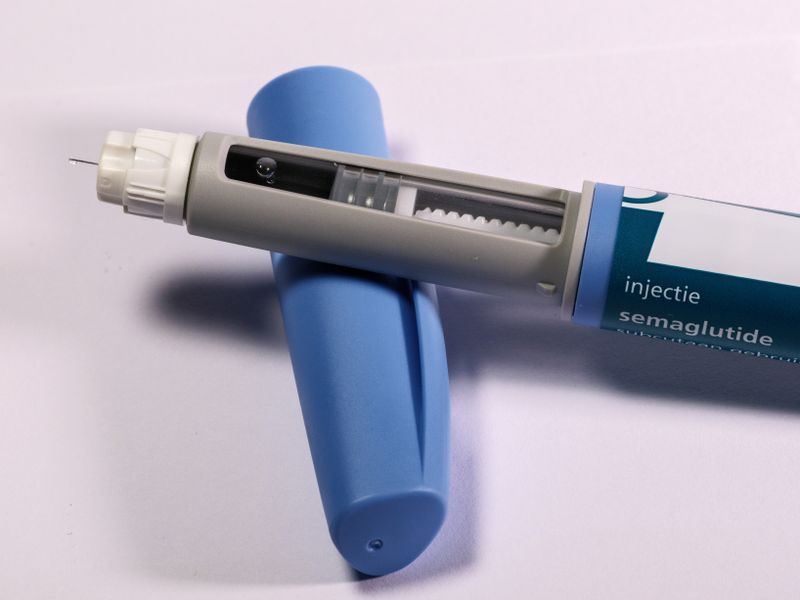
Ask your primary care doctor or a community health center first: they can bill your insurance for an FDA-approved GLP-1 like Wegovy or Zepbound if your plan covers it, which costs far less than paying a telehealth service out of pocket. Our directory of free and charitable clinics lists verified centers by state. Many online weight-loss services sell compounded semaglutide or tirzepatide instead: compounded GLP-1 medications are not FDA-approved products, and the FDA does not review compounded drugs for safety, effectiveness, or quality. A same-day telehealth visit is self-pay and is not billed to Medicaid. If you still want to explore a telehealth option:
SHED
Online GLP-1 weight-loss care with a licensed prescriber, including FDA-approved brands and compounded semaglutide or tirzepatide, which are not FDA-approved products.
Check weight-loss eligibilityAffiliate link, we may earn a commission at no extra cost to you.
The benefit extends to how long people live. A meta-analysis of more than 174,000 adults found that those who had metabolic and bariatric surgery lived a median of 6.1 years longer than those who got usual care, with the death rate cut by about half (Syn et al., The Lancet, 2021). The survival gain was largest in people who already had diabetes, the group Black patients are most likely to be in.
Be honest about the outcomes by race
Black patients lose somewhat less total weight after surgery, on average, than other patients. In a study of 14,000 matched patients, Black patients lost about 26 percent of their body weight at one year, compared with about 29 percent in white patients (Wood et al., JAMA Surgery, 2019). That is a real difference, and a smaller average weight loss is not a reason to skip the surgery.
Here is why. In that same study, diabetes remission was no different by race: roughly 65 percent of Black patients with insulin-treated diabetes went into remission. The metabolic payoff, the part that protects your kidneys, heart, eyes, and lifespan, holds up. Blood-pressure remission was lower in Black patients (about 40 percent), a reason to keep treating blood pressure closely after surgery, not a reason to avoid it. The durable diabetes control and the survival benefit are the prize, and Black patients get them.
How surgery compares with GLP-1 medications
GLP-1 medications like semaglutide and tirzepatide changed obesity care, and they work. For some people they are the whole answer. But they are not the same as surgery. The weight loss from surgery is generally larger and more durable, and surgery does not stop working if you miss a dose or lose coverage. With GLP-1 drugs, much of the lost weight tends to return after the medication is stopped, and staying on them depends on cost, supply, and insurance, all of which hit Black patients harder.
Surgery and medication are not rivals. Many people use a GLP-1 first, then move to surgery if it is not enough, and some use a GLP-1 after surgery to treat weight regain or stubborn diabetes. If you want to start with medication, our guide to GLP-1 telehealth access by state walks through how to get a prescription. If you have type 2 diabetes, our explainer on type 2 diabetes in Black adults covers the full treatment picture.
How to get referred
You do not have to wait for a doctor to raise it. Tell your primary care clinician directly: "I want a referral to a bariatric surgery program." Most programs also accept self-referrals, so you can call an accredited center yourself and ask to start an evaluation. Look for a center accredited by the Metabolic and Bariatric Surgery Accreditation and Quality Improvement Program (MBSAQIP), which signals a team that does enough of these operations to do them well.
A clinician who knows your community can make the path easier. You can find a Black clinician or a clinician who serves Black patients in our directory to start the conversation. Bring your numbers: your BMI, your A1c if you have diabetes, your blood pressure, and any obesity-related conditions. Those are what qualify you, and having them ready moves things faster.
On cost: most commercial insurance plans and Medicare cover metabolic and bariatric surgery for patients who qualify. Medicare covers sleeve gastrectomy, gastric bypass, and other approved operations for people with a BMI of 35 or higher who have an obesity-related condition and have tried medical weight management (Centers for Medicare and Medicaid Services). Coverage usually requires documentation, so ask the program's insurance coordinator early what your plan needs.
What to ask your surgeon
Bring these questions to your first visit:
- Based on my BMI and my conditions, do I qualify, and which operation do you recommend for me and why?
- How many of these operations does your center do each year, and are you MBSAQIP accredited?
- What are my chances of diabetes remission and what happens to my diabetes medications after surgery?
- What does the pre-surgery process require, and how long will it take?
- How will you support my weight and my diabetes long term, including whether a GLP-1 medication might be added later?
Frequently asked questions
Do I qualify for weight-loss surgery? ▼
Under the 2022 ASMBS guidelines, surgery is recommended at a BMI of 35 or higher regardless of other conditions, and should be considered at a BMI of 30 to 34.9 if you have type 2 diabetes or other metabolic disease. If you were told you did not qualify years ago, the rules have changed and you may qualify now.
Is bariatric surgery safe for Black patients? ▼
Yes. Major complications and deaths after surgery are uncommon and do not differ meaningfully by race in large studies. Black patients do face higher rates of some minor short-term complications, which is one more reason to choose an accredited, high-volume center and to stay in close follow-up afterward.
Will I lose less weight because I am Black? ▼
On average, Black patients lose somewhat less total weight than white patients, about 26 percent of body weight versus 29 percent at one year in one large study. But diabetes remission rates are the same, and the survival benefit is real. The smaller average weight loss is not a reason to skip the surgery.
Should I try a GLP-1 like Ozempic or Zepbound first instead of surgery? ▼
GLP-1 medications work and are a reasonable first step. But surgery produces larger, more durable weight loss and stronger long-term diabetes control, and the weight tends to return when a GLP-1 is stopped. Many people use medication first and move to surgery if it is not enough. The two can also be combined.
Does insurance cover bariatric surgery? ▼
Most commercial plans and Medicare cover it for qualifying patients, typically those with a BMI of 35 or higher plus an obesity-related condition who have tried medical weight management. Requirements vary by plan, so ask the surgical program's insurance coordinator what documentation yours needs.