Gallstones are hard pieces of cholesterol or bilirubin that form in the gallbladder, the small sac under your liver that stores bile for digesting fat. They are common, often silent, and more likely in women than men. The classic risk profile is female, over forty, having had children, and carrying extra weight, but two factors hit Black women harder: sickle cell disease and other conditions that break down red blood cells cause pigment stones, and the fast weight loss that comes with GLP-1 drugs or bariatric surgery raises the odds further.
Two kinds of stones, two different causes
Stones form when bile holds too much cholesterol or too much bilirubin, or when the gallbladder does not empty the way it should. In the United States, cholesterol stones make up about 75 percent of cases and pigment stones most of the rest. Cholesterol stones track with the familiar risk factors: female sex, pregnancy and estrogen, obesity, and rapid weight loss. Pigment stones form when there is extra bilirubin in bile, which is exactly what happens when red blood cells break down faster than normal.
That is the direct line to sickle cell disease. The constant red-cell breakdown (hemolysis) floods the bile with bilirubin and produces black pigment stones. This is not a rare side note. A 2021 meta-analysis of 34 studies found gallstones in 25.3 percent of people with sickle cell disease overall, and 44.1 percent of adults with the disease, compared with 10 to 15 percent in the general population. If you or your child has sickle cell disease, gallstones are a when, not an if, question. Our guide on sickle cell disease in children covers how the condition is managed early.
Weight-loss medications and surgery raise the risk
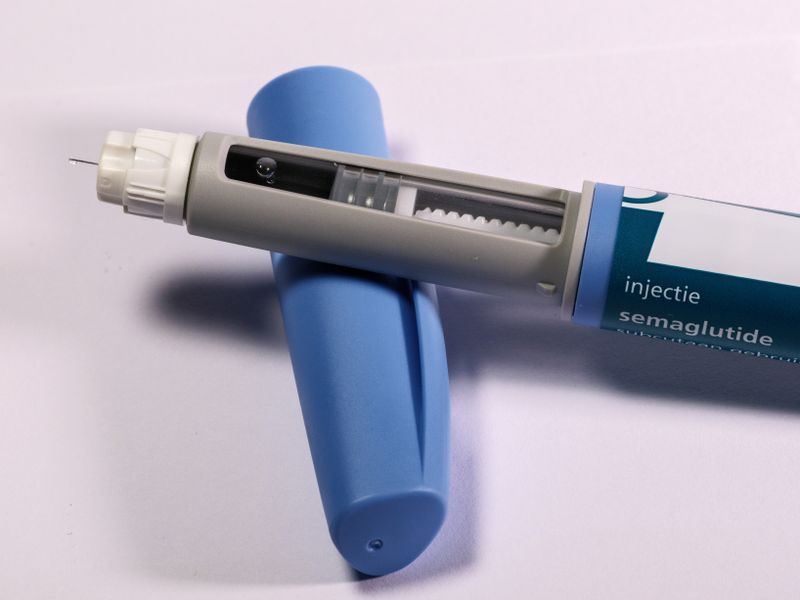
Any fast drop in weight can trigger gallstones, because the liver dumps extra cholesterol into bile while the gallbladder empties less often. That applies to very low calorie diets, bariatric surgery, and the GLP-1 medications now widely used for weight loss. A 2022 meta-analysis of 76 randomized trials and more than 103,000 patients found GLP-1 drugs raised the risk of gallbladder and biliary disease by 37 percent overall. The signal was much stronger when the drugs were used for weight loss rather than diabetes: a relative risk of 2.29 versus 1.27, and higher with larger doses and longer use.
This is not a reason to avoid these treatments. It is a reason to know the symptoms before you start, so new right-upper-quadrant pain after a fatty meal gets named correctly instead of brushed off. If you are weighing GLP-1 therapy, our hub on online GLP-1 care walks through how access works.
Community health centers are primary care: they see patients regardless of insurance, charge on a sliding scale that is often $0, and can manage a condition like blood pressure or diabetes long-term. Our directory of free and charitable clinics lists centers by state. A same-day telehealth visit is self-pay and is not billed to Medicaid, so an ongoing clinic relationship usually costs less over a year. If you want a telehealth visit sooner:

See a doctor online today.
- Same-day video visits from $34
- Price shown before you book
- No insurance needed
 with Sesame Care
Affiliate link, we may earn a commission at no extra cost to you.
What gallstone pain feels like
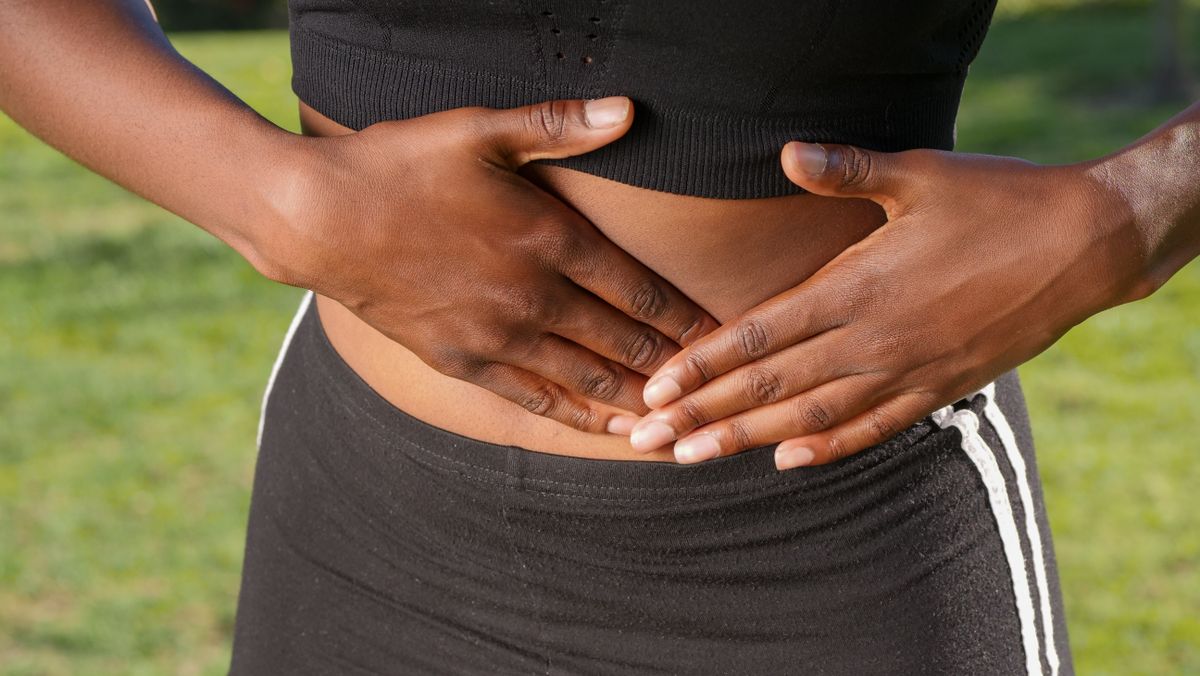
Most gallstones never cause trouble. When they do, the classic attack (biliary colic) is steady pain in the upper right abdomen or the upper middle, often spreading to the right shoulder blade. It tends to follow a heavy or fatty meal, shows up in the evening or overnight, and can last several hours. Nausea and vomiting often come with it. The pain comes from a stone temporarily blocking the gallbladder outlet, then easing when the stone shifts back.
The danger starts when a stone stays stuck. A blocked gallbladder outlet causes cholecystitis, an inflamed and infected gallbladder. A stone that lodges in the main bile duct can back up bile into the liver or trigger cholangitis, a serious bile-duct infection. A stone that blocks the pancreatic duct causes gallstone pancreatitis. All three are medical emergencies, and untreated bile-duct blockage can be fatal.
How gallstones are diagnosed and treated
The first test is almost always an abdominal ultrasound. It is quick, uses no radiation, and finds stones reliably. Blood tests check for infection and for liver and pancreas involvement. If the bile duct is in question, doctors may add an MRI scan of the ducts (MRCP) or a procedure called ERCP that can remove a stuck stone.
Treatment depends on symptoms. Silent stones found by chance usually need nothing but watchful waiting, since only a small share ever cause problems. Once stones cause attacks or a complication, the standard fix is cholecystectomy, surgery to remove the gallbladder, usually done laparoscopically. You can live a normal life without a gallbladder. For people with sickle cell disease, surgeons often remove the gallbladder once stones appear, even without symptoms, because a gallstone emergency in sickle cell disease is harder to manage.
Why delays hit Black patients harder
The gap is not just biology. A 2023 analysis of acute cholecystitis care found Black patients waited longer for surgery: 19.4 percent had a delay of more than a day, versus 13.4 percent of white patients, and Black patients were more likely to face a surgical delay after accounting for other factors. Later care often means a sicker gallbladder and more complications. The takeaway is practical: name your symptoms clearly, ask for an ultrasound, and push for a timeline if pain keeps coming back.
How to get care
If you have had two or more attacks, or any of the red-flag symptoms above, you need a clinician who will image your gallbladder and give you a clear plan, not a wait-and-see shrug. A primary care doctor can order the ultrasound and refer you to a general surgeon. If you want a clinician who understands the sickle cell and access pieces of your history, you can find a Black provider in our directory.
Frequently asked questions
Are Black women more likely to get gallstones? ▼
Women in general are more likely than men to form gallstones. Black women face two added pressures: sickle cell disease and other hemolytic conditions cause pigment stones, and rapid weight loss from GLP-1 drugs or surgery raises cholesterol-stone risk. Sickle cell trait alone is not the same as the disease and does not carry the same gallstone risk.
Do GLP-1 weight-loss drugs cause gallstones? ▼
They raise the risk. A 2022 meta-analysis found GLP-1 drugs increased gallbladder and biliary disease by 37 percent overall, and the risk more than doubled when the drugs were used for weight loss. Most of this comes from fast weight loss itself, which happens with any rapid-loss method. Know the symptoms before you start.
What does a gallbladder attack feel like? ▼
Steady pain in the upper right or upper middle belly, often after a fatty meal, usually in the evening or overnight, lasting from minutes to a few hours. It can spread to the right shoulder blade and comes with nausea. Pain that lasts longer than a few hours, or comes with fever or yellowing skin, is an emergency.
Do silent gallstones need to be removed? ▼
Usually not. Stones found by chance with no symptoms are typically left alone and watched, since only a small share ever cause problems. The exception is sickle cell disease, where surgeons often remove the gallbladder once stones appear because a gallstone crisis is harder to treat.
Can you live without a gallbladder? ▼
Yes. The gallbladder stores bile but is not essential. After removal, bile flows directly from the liver into the intestine. Some people notice looser or more frequent stools after fatty meals for a while, which usually settles. Most people return to a normal diet.