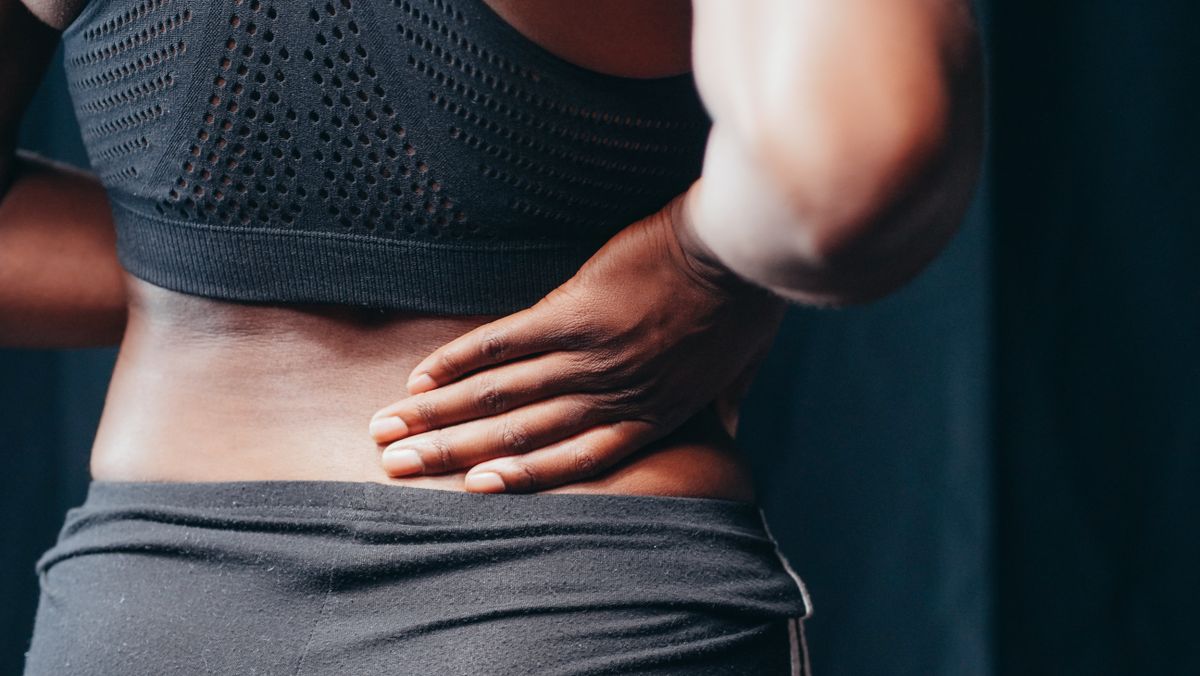
A kidney stone is a hard mass that forms when minerals in your urine become concentrated enough to crystallize. The classic sign is sudden, severe pain in the back or side that comes in waves and can radiate to the groin, often with blood in the urine and nausea. Historically, kidney stones were less common in Black Americans than in white Americans, but the gap is closing fast: incidence and prevalence are rising most quickly among women, Black, and Hispanic populations. That shift collides with a documented problem in how Black patients are treated for acute pain, which is why this article spends as much time on getting adequate care as on the stones themselves.
What kidney stones are and the four types
Kidney stones form when calcium, oxalate, and other substances build up in urine and harden. There are four main types, and the type matters because each has a different cause and a different prevention plan. Calcium oxalate stones are by far the most common and are linked to diet, genetics, and how much calcium and oxalate end up in your urine. Uric acid stones form when urine is too acidic, and they are tied to gout and to diets heavy in meat, poultry, fish, and shellfish. Struvite stones can form after a urinary tract infection and can grow large quickly. Cystine stones are rare and come from cystinuria, an inherited condition that leaks the amino acid cystine into the urine.
About 11 percent of men and 6 percent of women in the United States will have a kidney stone at least once, and rates are on the rise overall. The reason the Black-patient angle matters is the trajectory. In the Southern Community Cohort Study, white adults still had more than double the stone risk of Black adults, but separate national analyses show the steepest increases are now in groups that historically formed fewer stones, with obesity, diabetes, and dietary patterns cited as drivers. The takeaway is not that stones are rare in Black communities. It is that they are becoming more common while the gaps in how they get treated have not closed.
The symptoms, and which ones mean go to the ER
A small stone can pass without you ever knowing. Pain starts when a stone moves and blocks the flow of urine. The usual signs are sharp pain in the back, side, lower abdomen, or groin; pink, red, or brown urine; a constant urge to urinate; pain or burning while urinating; cloudy or bad-smelling urine; and nausea or vomiting. The pain often comes in waves and shifts as the stone moves.
Some symptoms are not wait-and-see. Fever and chills with the pain can signal an infection behind a blocked stone, which can become a life-threatening emergency within hours. So can the inability to keep fluids down because of relentless vomiting, or stone pain in someone who has only one working kidney or a kidney transplant, where any blockage threatens the whole filtering system. Those situations need the emergency room, not a next-week appointment.
The pain-treatment gap, and why you advocate hard
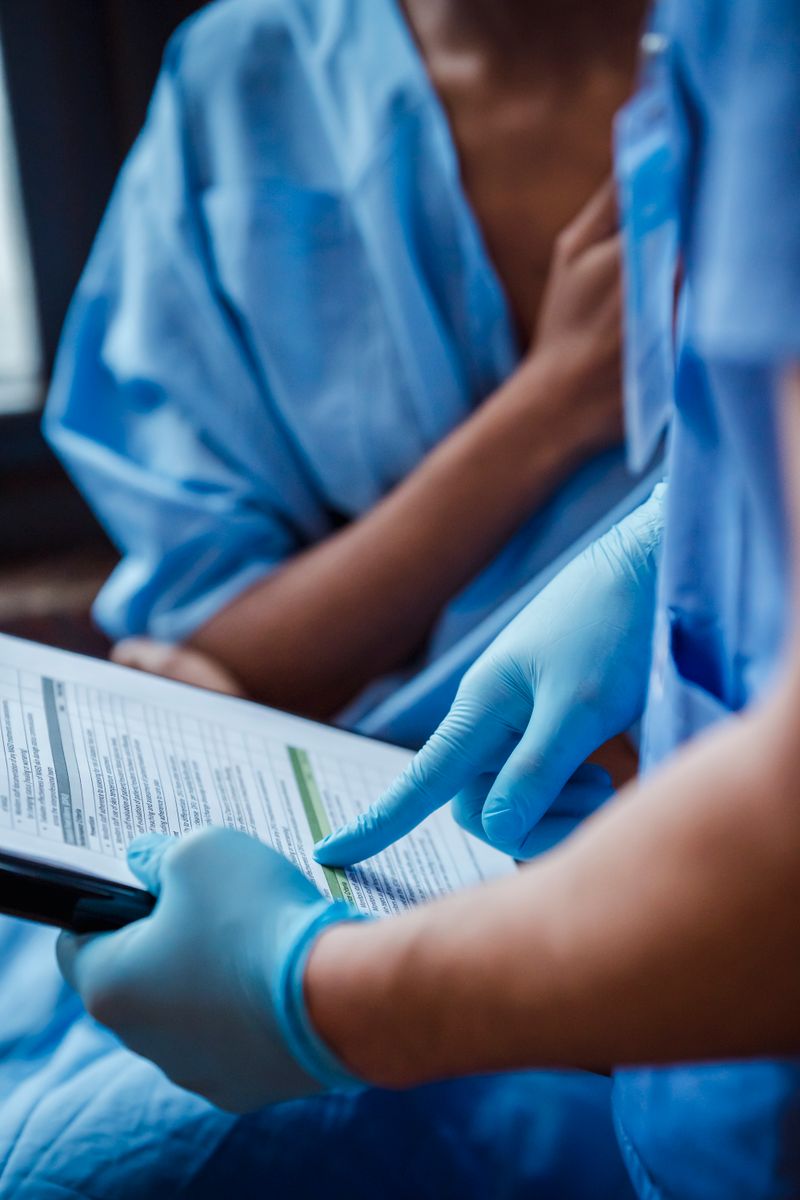
Kidney stone pain is genuinely severe, and how it gets treated is not equal. A 2022 study of 7,367 emergency department patients with abdominal pain found Black patients were significantly less likely than white patients to receive opioid pain medication, with odds of roughly 0.62, and less likely to receive any analgesia at all. A 2021 scoping review in the Journal of Urology found the same pattern specifically in stone patients: Black patients with renal colic received opioids and the non-opioid ketorolac less often than white patients, used the ER more but got imaging less often, and faced delays in getting to surgery.
Community health centers are primary care: they see patients regardless of insurance, charge on a sliding scale that is often $0, and can manage a condition like blood pressure or diabetes long-term. Our directory of free and charitable clinics lists centers by state. A same-day telehealth visit is self-pay and is not billed to Medicaid, so an ongoing clinic relationship usually costs less over a year. If you want a telehealth visit sooner:

See a doctor online today.
- Same-day video visits from $34
- Price shown before you book
- No insurance needed
 with Sesame Care
Affiliate link, we may earn a commission at no extra cost to you.
What that means for you in the room: name your pain on the 0-to-10 scale, state plainly that it is the worst pain of your life if it is, ask directly what you are being given for it, and ask for a reassessment if it is not working. Bring someone with you who can advocate if you cannot. This is not being difficult. It is closing a gap that the data says is real. Stones can run in families and travel with conditions like gout, so if you have a history of either, see gout and high uric acid in Black men for the shared risk picture.
What raises your risk
The single biggest controllable factor is fluid. Not drinking enough concentrates your urine and lets crystals form. A diet high in sodium raises the calcium in your urine, and high animal protein from meat, poultry, fish, and shellfish raises stone risk and uric acid. Obesity and type 2 diabetes both increase risk, as does gout and high uric acid. Certain medications and supplements can contribute, and hot climates or heavy sweating without replacing fluids tip the balance toward dehydration. Chronic kidney disease and the genetic factors behind it also reshape kidney risk; if kidney problems run in your family, read kidney disease and the APOL1 gene in Black adults.
How stones are diagnosed and treated
Diagnosis usually combines a urinalysis, which can show blood and stone-forming minerals, with imaging. A CT scan is the most sensitive way to see a stone's size and location and whether it is blocking the urinary tract; ultrasound is often used first in pregnancy and to limit radiation. One step gets skipped too often: if you pass a stone, catch it by straining your urine and ask the lab to analyze it. The stone's chemistry tells your clinician which prevention plan will actually work for you.
Most small stones pass on their own with fluids and pain control over days to weeks. For some, clinicians prescribe medical expulsive therapy, typically an alpha-blocker that relaxes the ureter to help a stone pass. Larger or obstructing stones, or stones causing infection or uncontrolled pain, are treated with procedures: shock wave lithotripsy breaks the stone with sound waves from outside the body, ureteroscopy passes a scope up to remove or laser the stone, and percutaneous nephrolithotomy removes large stones through a small incision in the back.
The prevention playbook
Once you have had one stone, your odds of another go up, so prevention is the whole game. The American Urological Association guideline is concrete:
- Drink enough to make about 2.5 liters of urine a day. For most people that means six to eight glasses of fluid daily, mostly water, more in heat or with heavy activity.
- Cut sodium toward 2,300 mg a day. Most sodium hides in processed food, fast food, canned soups, and lunch meats, so cooking from scratch helps.
- Moderate animal protein. Swap some meat, poultry, and fish for beans and lentils.
- Get normal dietary calcium, do not cut it. Calcium from food binds oxalate in the gut so less reaches your urine. Restricting calcium can backfire and raise calcium-oxalate stone risk. Aim for about 1,000 to 1,200 mg a day from food.
- Limit excess oxalate from foods like spinach, nuts, and wheat bran if you form calcium-oxalate stones, while keeping calcium normal.
- Treat the underlying driver. Manage gout, high uric acid, diabetes, and obesity, because controlling them lowers stone risk too.
How to get care
For a first stone, sudden severe flank pain, or recurring stones, you want a urologist, and for prevention and metabolic workup a primary care clinician or nephrologist can lead. If you have passed a stone, bring it to the visit and ask for a 24-hour urine collection to find your specific risk pattern. You can find a Black urologist or primary care clinician in our directory who will take your pain seriously and build a prevention plan around your stone type.
Frequently asked questions
Are kidney stones common in Black people? ▼
Historically Black Americans formed fewer stones than white Americans, with one large cohort showing white adults at more than double the risk. That gap is narrowing fast: national data show kidney stones are rising most quickly among Black, Hispanic, and women populations, driven in part by rising obesity and diabetes. Stones are no longer rare in Black communities.
What does kidney stone pain feel like? ▼
It is usually sudden and severe, in the back or side below the ribs, and comes in waves rather than staying constant. It can radiate down to the lower abdomen and groin and shift as the stone moves. Many people also see pink, red, or brown urine and feel nauseated. Pain with fever needs the emergency room.
When is a kidney stone an emergency? ▼
Fever or chills with stone pain can mean an infection behind a blocked stone, which can turn dangerous within hours and is a true emergency. Also seek emergency care if you cannot keep fluids down, cannot urinate, see heavy blood, or have stone pain with only one working kidney or a transplant.
How do I keep kidney stones from coming back? ▼
Drink enough fluid to make about 2.5 liters of urine a day, cut sodium toward 2,300 mg, moderate animal protein, and keep dietary calcium normal at roughly 1,000 to 1,200 mg from food. Counterintuitively, cutting calcium can raise calcium-oxalate stone risk. Treat gout, diabetes, and obesity, and analyze any stone you pass to target the plan.
Why should I save a kidney stone I pass? ▼
Because the stone's chemistry, whether calcium oxalate, uric acid, struvite, or cystine, determines which prevention plan works. Strain your urine to catch the stone, then ask the lab to analyze it. Without that analysis, prevention advice is a guess.