Six steps to finish before December 7
- Read your Annual Notice of Change. It lists every change to your plan's costs, covered drugs, network and service area that starts in January, and Medicare says Advantage plans send it by September 30. If yours never came, call the plan.
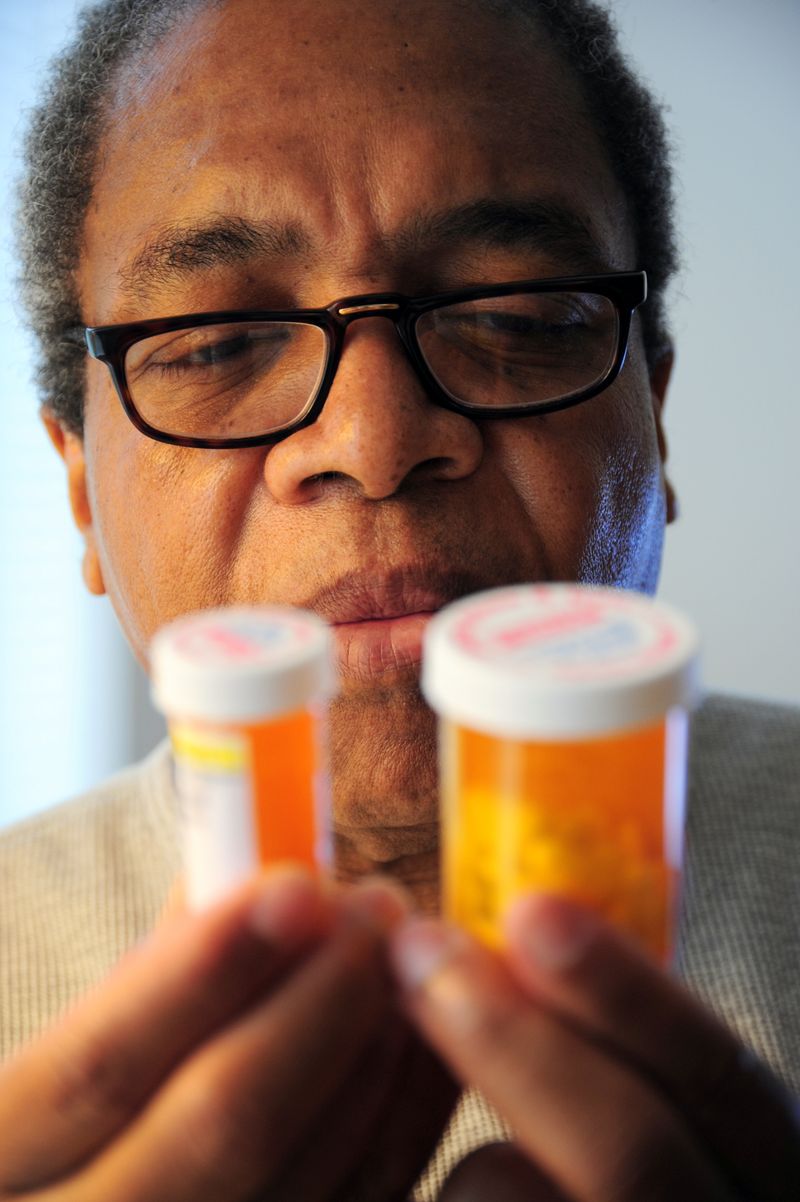
- Write down everything you take. Each prescription with its dose, the pharmacy you use, and the doctors and hospitals you want to keep. The pill bottles are the easiest place to copy from.
- Run that list through Medicare Plan Finder. Medicare tells people to start comparing 2027 options on October 1, two weeks before enrollment opens.
- Check whether Extra Help fits your budget. It lowers premiums, deductibles and copays for people with limited income and savings, and it's covered below.
- Get a free counselor if the comparison gets tangled. Your State Health Insurance Assistance Program, or SHIP, will walk through it with you at no cost.
- Enroll by December 7. You can join through Plan Finder, by calling 1-800-MEDICARE (1-800-633-4227, TTY 1-877-486-2048), or through the plan. When you switch drug coverage by joining a new plan, the old coverage ends when the new one begins, so you don't have to cancel first.
Original Medicare keeps any doctor who takes Medicare; Advantage adds a yearly spending limit
There are two ways to get Medicare, and Open Enrollment is the window when anyone with Medicare can move between them. Here's how they differ, from Medicare's own handbook for 2027.
| Original Medicare | Medicare Advantage | |
|---|---|---|
| Doctors and hospitals | Any doctor or hospital in the U.S. that takes Medicare | You may need to use the plan's network and service area for non-emergency care |
| Referrals and approval | In most cases no referral for specialists and no prior authorization | You may need a referral, and prior authorization for certain services and drugs |
| Yearly limit on your costs | None, unless you add Medigap or other coverage | Every plan has a yearly limit on covered Medicare services |
| Drug coverage | Join a separate Medicare drug plan | Most plans include it |
| Extra coverage | You can buy Medigap to help with your 20% coinsurance | You can't buy Medigap; most plans offer extras like vision, hearing and dental |
| Premiums | Part B premium, plus separate drug plan and Medigap premiums | Part B premium, plus the plan's premium if it has one |
If you or your parent sees specialists often, or spends part of the year in another state, check networks before anything else. Doctors can join or leave an Advantage plan's network at any time during the year, and when that happens you usually can't change plans because of it.
What Open Enrollment can change, and three things it can't
Between October 15 and December 7 you can join, switch or drop a Medicare Advantage plan, add or drop drug coverage, switch standalone drug plans, or move between Original Medicare and Medicare Advantage. The window has limits, though.
- It can't guarantee you a Medigap policy. You can always leave Advantage for Original Medicare in this window. In most cases, though, federal law gives you no right to buy Medigap outside your first six-month Medigap enrollment period or a specific guaranteed issue situation, and after that period an insurer can turn you down or charge more.
- It isn't your chance to sign up for Part A or Part B. If you missed your first enrollment period, that happens in the General Enrollment Period, January 1 to March 31, and you may pay a higher premium for signing up late.
- It isn't the only window for everyone. If you have Medicaid or Extra Help, you can switch drug plans, or leave an Advantage plan for Original Medicare plus a standalone drug plan, once every calendar month. That option isn't open to people their plan has flagged as at risk under a drug management program.
Your covered drug costs are capped at $2,400 in 2027
Once what you pay for covered Part D drugs reaches $2,400 in 2027, you pay $0 for covered drugs for the rest of the year. Payments made on your behalf, including Extra Help, count toward that limit.
A plan's yearly drug deductible can be up to $700 in 2027, up from $615. Some plans have no deductible, and some cover drugs on lower tiers before you meet it.
| Limit | 2026 | 2027 |
|---|---|---|
| Highest allowed drug deductible | $615 | $700 |
| Out-of-pocket cap on covered drugs | $2,100 | $2,400 |
| Extra Help, most you pay per generic | $5.10 | $5.80 |
| Extra Help, most you pay per brand-name drug | $12.65 | $14.40 |
| Full Medicaid, income at or below the poverty line, per generic | $1.60 | $1.65 |
| Full Medicaid, income at or below the poverty line, other drugs | $4.90 | $5.00 |
Four more things to check in each plan's 2027 numbers:
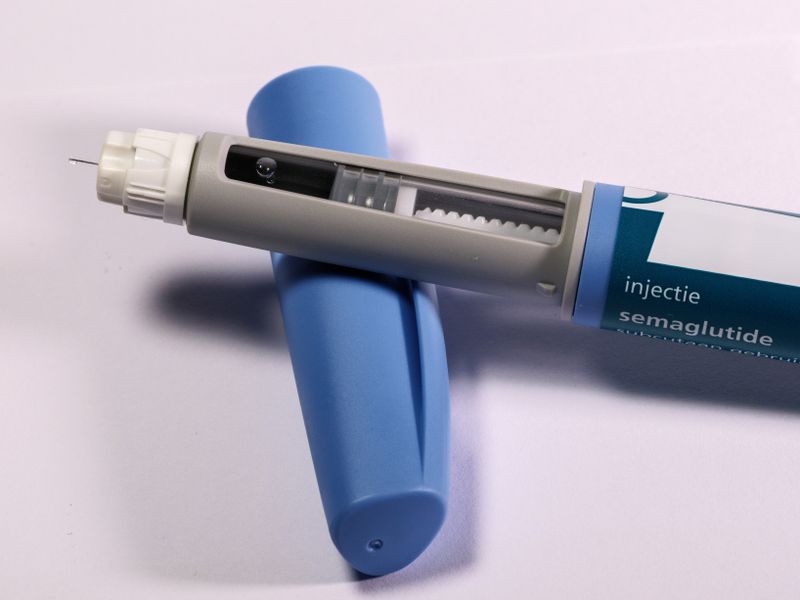
- Negotiated prices for 15 more drugs start January 1, 2027. The list includes Ozempic, Rybelsus and Wegovy, Trelegy Ellipta, Breo Ellipta, Tradjenta, Janumet, Xtandi, Linzess and Otezla. What you pay still depends on the plan's tier and cost sharing, so price each drug in Plan Finder.
- A federal premium cushion for standalone drug plans ends. CMS started the Part D Premium Stabilization Demonstration in 2025 to steady standalone drug plan premiums after the Part D redesign, and it ends with 2026. Check your plan's 2027 premium instead of assuming it carries over.
- The Medicare Prescription Payment Plan renews if you stay put. It spreads your drug costs into monthly bills across the year but doesn't lower them. If you're in it and keep the same plan, it renews for 2027, though Medicare says it may not be the best choice if you get or qualify for Extra Help.
- Insulin stays at $35. Plans can't charge more than $35 for a month's supply of each covered insulin, with no deductible, and recommended adult vaccines cost $0 under Part D.
Extra Help can hold a brand-name prescription to $14.40
Extra Help is Medicare's program for people with limited income and resources. It helps pay Part D premiums, deductibles and coinsurance, and in 2027 copays at a plan's participating pharmacies are generally no more than $5.80 for each generic and $14.40 for each brand-name drug.
While you have it, you don't pay a Part D late enrollment penalty. You can also change drug plans once a calendar month instead of waiting for Open Enrollment.
Ask your primary care doctor or a community health center first: they can bill your insurance for an FDA-approved GLP-1 like Wegovy or Zepbound if your plan covers it, which costs far less than paying a telehealth service out of pocket. Our directory of free and charitable clinics lists verified centers by state. Many online weight-loss services sell compounded semaglutide or tirzepatide instead: compounded GLP-1 medications are not FDA-approved products, and the FDA does not review compounded drugs for safety, effectiveness, or quality. A same-day telehealth visit is self-pay and is not billed to Medicaid. If you still want to explore a telehealth option:
SHED
Online GLP-1 weight-loss care with a licensed prescriber, including FDA-approved brands and compounded semaglutide or tirzepatide, which are not FDA-approved products.
Check weight-loss eligibilityAffiliate link, we may earn a commission at no extra cost to you.
You already have it if you get full Medicaid, a Medicare Savings Program that helps pay your Part B premium, or Supplemental Security Income. Medicare mails a purple letter confirming it, and you don't need to apply.
Everyone else applies through Social Security, online or at 1-800-772-1213 (TTY 1-800-325-0778). You can apply any time of year, and apply again if your income or savings drop. The same application starts a Medicare Savings Program application with your state unless you tell Social Security not to.
Medicare updates the limits each year. The most recent figures on Medicare.gov are for 2026: yearly income under $23,940 and resources under $18,090 for one person, or $32,460 and $36,100 for a married couple living together. Limits are higher if you still work, live in Alaska or Hawaii, or have dependents living with you.
Resources include checking and savings accounts, stocks, bonds, mutual funds and IRAs. They don't include your home, car, household items, burial plot, up to $1,500 per person set aside for burial, or life insurance. For the state Medicare Savings Programs this application also starts, Medicare's own advice is to apply even if you don't think you qualify.
Medicare Advantage members get one more switch between January 1 and March 31
If you're in a Medicare Advantage plan, the Medicare Advantage Open Enrollment Period lets you make one change from January 1 to March 31: move to a different Advantage plan, or drop Advantage for Original Medicare and join a standalone drug plan. The change starts the first day of the month after the plan gets your request.
This window does nothing for people in Original Medicare. It can't be used to join Advantage, add a drug plan, or switch from one standalone drug plan to another. The Medigap warning above still applies.
One more exception runs all year. If a plan with a 5-star quality rating is offered where you live, you can switch into it once between December 8 and November 30. Moving from an Advantage plan with drug coverage to a 5-star Advantage plan without it can leave you with no drug coverage until your next enrollment chance, and a possible late penalty.
Plan Finder is only as good as the drug list you give it
- Log in at Medicare.gov/plan-compare, or create a Medicare account. Your account can store your prescriptions and pharmacies for comparing plans. Medicare.gov now also accepts ID.me, CLEARme.com and Login.gov to sign in.
- Enter every drug with its exact dose, plus your pharmacy. Plan Finder uses them to give you personalized cost information for each plan.
- Add your doctors. For Advantage plans, results show whether the providers you add are in network. Call the office too.
- Open each plan's drug details. Look for prior authorization, step therapy and quantity limits on the drugs you take.
- Compare star ratings. Medicare rates plans from 1 to 5 stars on quality and performance.
- Confirm your pharmacy is in network, and if you travel or live part of the year somewhere else, that the plan has pharmacies there.
Compare what each plan would cost you over the whole year with your drugs included, not only the monthly premium. If you'd rather not do it online, 1-800-MEDICARE answers 24 hours a day, including weekends, and can enroll you by phone.
If you're helping a parent, do it together, with their Medicare card and pill bottles on the table. Share their Medicare Number only with their doctors, their insurance companies and those companies' licensed agents or brokers, plans acting for them, or state programs that work with Medicare.
A free SHIP counselor will run the comparison with you
Every state, plus Washington, D.C., Puerto Rico, Guam and the U.S. Virgin Islands, has a State Health Insurance Assistance Program. It's federally funded through the Administration for Community Living, and there's no cost to you.
SHIP counselors are trained and certified to help you weigh Original Medicare, Medicare Advantage, drug plans and Medigap. They also help people with limited incomes apply for Medicaid, Medicare Savings Programs and Extra Help, in person or by phone, through more than 2,200 local sites.
Your state's program may go by another name: HICAP in California and Texas, SHINE in Florida, SHIIP in North Carolina, VICAP in Virginia. Find yours at shiphelp.org or 877-839-2675, and bring the same drug and doctor list you'd use in Plan Finder.
On the $50 GLP-1 Bridge, your plan type decides whether the $50 continues
The Medicare GLP-1 Bridge covers Foundayo, Wegovy and the Zepbound KwikPen for weight management at $50 a month through December 31, 2027, so it runs through the whole plan year you're choosing now. It sits outside every Part D plan, and the $50 is the same no matter which qualifying plan you're in. Our guide to who qualifies for the Bridge covers the eligibility rules.
It still depends on your drug coverage in three ways.
- You need Medicare drug coverage in a plan type that qualifies. Under CMS's rules that's a standalone drug plan; a Medicare Advantage HMO, HMO-POS, or local or regional PPO with drug coverage; a Special Needs Plan; an employer or union group plan; or the LI NET program. Private fee-for-service plans, cost plans, health care prepayment plans, PACE, fallback plans and religious fraternal benefit plans don't count unless you also have a standalone drug plan.
- Moving into a plan type that doesn't qualify ends it. CMS tells pharmacies that if someone approved for the Bridge moves to one of those plan types, their next Bridge refill will be rejected.
- A GLP-1 filled through your Part D plan ends it too. After Bridge approval, a later GLP-1 fill through your plan makes you ineligible. CMS hasn't yet said how far back it will look at Part D GLP-1 use when checking eligibility during 2027.
An approval stays good through December 31, 2027, unless you switch to a different covered GLP-1. CMS's Bridge pages for patients, prescribers, pharmacies and plans, and its FAQ memo to plans, don't say what happens when someone moves between two qualifying plans. If you're on the Bridge and plan to switch, call 1-800-MEDICARE before December 7 and ask them to confirm your approval carries over.
No plan is allowed to advertise the Bridge or suggest you get it by joining that plan, so ignore a pitch that does. Extra Help doesn't lower the $50, and the $50 doesn't count toward your $2,400 cap.
If your GLP-1 is prescribed for type 2 diabetes, moderate to severe sleep apnea, or MASH liver disease, or Wegovy is prescribed to lower the risk of major heart events, it goes through your Part D plan, not the Bridge. Price it in Plan Finder like any other drug and check the plan's prior authorization rules.
Weight-loss use is still excluded from Part D itself, and CMS says the BALANCE Model, which it may bring to Part D after the Bridge, isn't launching in 2027. Our map of every GLP-1 coverage route covers Medicaid and cash prices.
If you're in Original Medicare with no drug plan, Open Enrollment is when you can add one so coverage starts January 1. You may owe a late enrollment penalty if you went 63 days or more without creditable drug coverage after your first enrollment period, unless you get Extra Help.
Hang up when a Medicare sales call does any of these
Medicare plans and agents work under federal marketing rules. Medicare itself calls only in a few situations: you left a message, a representative said someone would call back, or you filed a fraud report. A plan can call you if you're already a member, and so can the agent who enrolled you.
Treat any of these as a reason to end the call:
- A plan or agent calls, texts or leaves a voicemail when you never asked to be contacted.
- The caller asks for your Medicare Number, bank account or card number to give you a quote. Plans don't need personal information to quote you a price.
- They say you have to join this plan or you won't have coverage next year.
- They call a plan "the best" or "highest ranked."
- They offer cash, or a gift worth more than $15, for joining.
- They want payment over the phone or online. A plan has to send you a bill.
- They charge a fee to enroll you, or push you to sign before you're ready.
- They pitch life insurance or an annuity during a Medicare plan conversation.
- They say a plan comes with the $50 GLP-1 Bridge.
- Someone shows up at your door without an appointment.
Brokers and call centers that sell for more than one company have to tell you, before discussing benefits, how many organizations and plans they represent, and point you to Medicare.gov or 1-800-MEDICARE for all your options. A caller who skips that is breaking the rule.
Frequently asked questions
Do I have to do anything if I like my current plan? ▼
Not if your plan is still offered. If you make no change, its 2027 costs and benefits start January 1. Read the Annual Notice of Change first, because a plan can change its premium, drug list and network from one year to the next.
When does a plan I choose during Open Enrollment start? ▼
January 1, 2027, as long as the plan gets your enrollment request by December 7, 2026.
Can I go back to Original Medicare from Medicare Advantage? ▼
Yes, during Open Enrollment, or once between January 1 and March 31 if you're in an Advantage plan on January 1. Check your Medigap rights before you leave, because outside your first Medigap enrollment period or a guaranteed issue right, an insurer can turn you down or charge more.
Does the $2,400 cap include my doctor and hospital costs? ▼
No. The $2,400 cap covers what you pay for covered Part D drugs. Medicare Advantage plans have their own separate yearly limit on covered Medicare services. Original Medicare has no yearly limit unless you add Medigap or other coverage.
I get Extra Help. Does Open Enrollment matter for me? ▼
It's a good time to confirm your plan still covers your drugs, but you aren't limited to it. With Extra Help you can change drug plans once a calendar month. If Medicare placed you in a plan, you can pick a different one.
Will Medicare call me about Open Enrollment? ▼
Medicare calls only if you left a message, were told to expect a callback, or filed a fraud report. A plan can call if you're already a member. Don't give your Medicare Number to anyone who calls about Medicare plans without your permission.