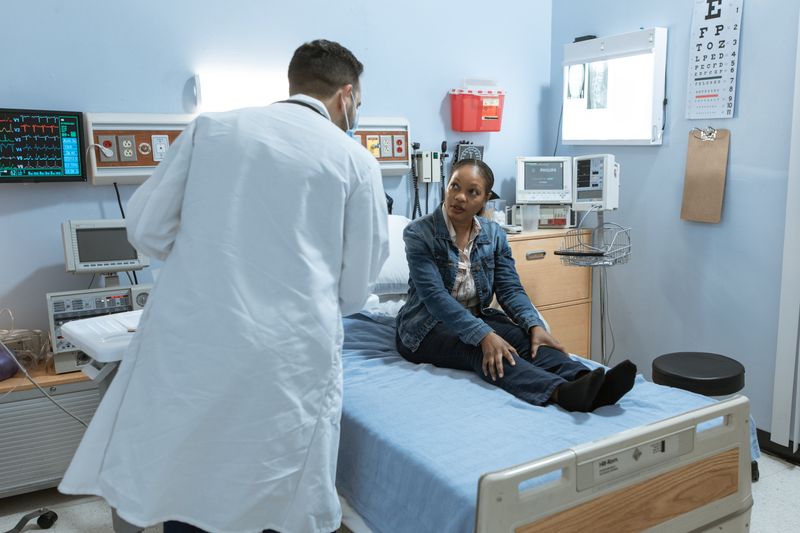
Nephrotic syndrome means your kidneys are leaking large amounts of protein into your urine. The filters in your kidneys, called glomeruli, are damaged, so albumin and other proteins spill out instead of staying in your blood. That single problem drives the whole picture: swelling, foamy urine, low blood protein, high cholesterol, and a raised risk of blood clots. In Black adults, the most common cause behind it is FSGS, and the reason it shows up more often and progresses faster traces in large part to a gene called APOL1.
What nephrotic syndrome actually is
Healthy glomeruli act as a sieve that keeps protein in the bloodstream while letting waste pass into urine. When that sieve is damaged, protein escapes. Doctors call it nephrotic syndrome when the urine protein loss is heavy, usually 3 grams or more in a day, paired with low blood albumin, swelling, and high cholesterol. The National Institute of Diabetes and Digestive and Kidney Diseases (NIDDK) lists the four hallmark findings as proteinuria, low albumin in the blood (hypoalbuminemia), edema, and high blood lipids (hyperlipidemia).
Albumin holds fluid inside your blood vessels. When you lose it in the urine, fluid leaks into your tissues, which is why swelling is usually the first symptom people notice. The liver responds by making more cholesterol, and the same protein loss strips out clotting regulators, which raises the risk of blood clots in the legs and lungs.
FSGS: a leading cause, and harder on Black patients
Focal segmental glomerulosclerosis means scarring (sclerosis) in some parts (segmental) of some glomeruli (focal). It is one of the most common patterns found on a kidney biopsy for nephrotic syndrome. In Black adults, FSGS is both more common and more aggressive: Black patients with FSGS are more likely to progress to end-stage kidney disease, and to get there faster, than white patients with the same diagnosis.
The disparity in kidney failure overall is stark. Black Americans make up about 13 percent of the U.S. population but account for roughly a third of people on dialysis, and develop end-stage kidney disease at around three to four times the rate of white Americans, according to NIDDK kidney disease statistics. For decades that gap was blamed on blood pressure and access. The genetics of FSGS rewrote much of that story.
The APOL1 connection, explained plainly
APOL1 is a gene almost everyone carries. Two specific variants of it, named G1 and G2, arose in West Africa because they helped the body resist the parasite that causes African sleeping sickness. That same protective trait, when a person inherits two high-risk copies (one from each parent), raises the risk of several kidney diseases, FSGS chief among them. Because the variants are common in people of recent West African ancestry and essentially absent in people of European ancestry, they concentrate the risk in Black Americans, people of Afro-Caribbean descent, and Hispanic people with African ancestry.
Community health centers are primary care: they see patients regardless of insurance, charge on a sliding scale that is often $0, and can manage a condition like blood pressure or diabetes long-term. Our directory of free and charitable clinics lists centers by state. A same-day telehealth visit is self-pay and is not billed to Medicaid, so an ongoing clinic relationship usually costs less over a year. If you want a telehealth visit sooner:

See a doctor online today.
- Same-day video visits from $34
- Price shown before you book
- No insurance needed
 with Sesame Care
Affiliate link, we may earn a commission at no extra cost to you.
In the landmark 2010 study that identified the link, carrying two high-risk APOL1 variants was associated with roughly 17-fold higher odds of FSGS and about 7-fold higher odds of hypertension-attributed kidney failure in African Americans. About 13 percent of Black Americans carry the two-variant high-risk genotype. Carrying it does not guarantee disease: estimates suggest roughly 4 percent of people with the high-risk genotype develop FSGS over a lifetime, and a larger share develop other kidney disease, often only after a second trigger such as a viral infection, lupus, or interferon treatment.
APOL1 also speeds how fast kidney disease moves once it starts. In the NEJM analysis of two large U.S. cohorts, Black patients in the APOL1 high-risk group reached kidney failure or had their kidney function decline substantially more often than those without the variants: 58 percent versus 37 percent in the hypertension-related kidney disease group. This is much of why a Black patient and a white patient with the same protein levels can have very different trajectories. We cover the wider kidney-disease picture in our explainer on kidney disease and APOL1 in Black adults.
Symptoms to watch for
Nephrotic syndrome often announces itself through swelling and changes in your urine. The most common signs:
- Swelling (edema) in the feet, ankles, and legs, and around the eyes or in the face, especially in the morning. On brown and dark skin, puffiness can be easier to feel than to see, so press a thumb into a swollen ankle and watch for a dent that stays.
- Foamy or frothy urine that looks like beer foam and does not clear quickly. That foam is protein.
- Weight gain over days from retained fluid, not from eating more.
- Fatigue and loss of appetite as protein and fluid balance shift.
Swelling has many causes, from heart and liver problems to medication side effects, so it is not proof of kidney disease on its own. But persistent leg and ankle swelling paired with foamy urine is worth a same-week visit. We go deeper on the swelling question in our guide to swollen feet and ankles in Black adults.
How it is diagnosed
The workup is straightforward and starts with simple tests:
- Urine protein. A urine albumin-to-creatinine or protein-to-creatinine ratio (UACR or UPCR), or a 24-hour urine collection, measures how much protein you are losing. Nephrotic-range loss is about 3 grams or more per day.
- Blood tests. A low blood albumin level, a kidney function panel (creatinine and eGFR), and a cholesterol panel round out the nephrotic picture.
- Kidney biopsy. A small sample of kidney tissue shows the exact pattern of damage, such as FSGS, and guides treatment. It remains the gold standard for diagnosing FSGS.
- APOL1 genetic testing. Testing for the G1 and G2 variants is increasingly used to confirm APOL1-mediated disease, sharpen prognosis, and screen living kidney donors. It is becoming standard in nephrology, partly because APOL1-targeted drugs are arriving.
Treatment, including drugs on the horizon
There is no single approach, but the goals are consistent: cut the protein loss, protect remaining kidney function, and manage the complications.
ACE inhibitors and ARBs (blood pressure drugs such as lisinopril or losartan) lower the pressure inside the glomeruli and cut protein leakage, and they anchor care even when blood pressure is normal. Diuretics and a lower-salt diet manage swelling. Statins address the high lipids, and some patients need a blood thinner if clot risk is high. For certain causes of FSGS, steroids or other immune-suppressing drugs can push the disease into remission, though many FSGS cases, especially APOL1-driven ones, respond poorly to steroids.
The newer frontier targets APOL1 itself. In a 2023 phase 2a trial, inaxaplin, an oral drug that blocks the APOL1 channel, reduced urine protein by about 48 percent over 13 weeks in adults with two APOL1 variants and biopsy-proven FSGS. It is not yet approved and is being studied in larger trials, but it is the first therapy aimed at the genetic root of the disease rather than its downstream effects.
How to get care
Start with a primary care visit and a urine protein test; it is cheap and fast. If protein is high, you will be referred to a nephrologist (kidney specialist) who can order the biopsy and, where appropriate, APOL1 testing. Bring your family history of kidney disease, dialysis, or transplant, because it changes the index of suspicion. If you want a clinician who understands the APOL1 story and how kidney disease shows up in Black patients, you can find a Black nephrologist in our directory. Catching protein loss early, before scarring spreads, is the single biggest lever you have.
Frequently asked questions
Is FSGS more common in Black people? ▼
Yes. FSGS is both more common and more aggressive in Black adults and children, largely because of high-risk APOL1 gene variants. About 70 percent of Black patients with FSGS carry two high-risk APOL1 variants, compared with roughly 13 percent of the general Black population, and those variants speed progression to kidney failure.
What does APOL1 high-risk mean for me? ▼
Carrying two high-risk APOL1 variants raises your odds of FSGS and other kidney diseases and tends to speed progression, but it does not mean you will definitely get kidney disease. Most carriers never develop it. It often takes a second trigger, such as a viral infection, lupus, or certain treatments. Testing can clarify your risk and guide care.
Is foamy urine always a sign of kidney disease? ▼
No. Urine can foam from a fast stream or a dirty toilet. The concerning pattern is foam that looks like beer froth and does not clear, especially with leg or facial swelling. That combination warrants a urine protein test (UACR or UPCR), which quickly shows whether you are leaking protein.
Does nephrotic syndrome lead to dialysis? ▼
It can, but not always. FSGS that is caught early and treated with ACE inhibitors or ARBs, and immune-suppressing drugs when appropriate, can be slowed or pushed into remission. APOL1-driven FSGS tends to progress faster and respond less to steroids, which is why early diagnosis and the newer APOL1-targeted therapies matter so much.
Should Black adults get APOL1 testing? ▼
Talk to your doctor, especially if you have protein in your urine, unexplained kidney disease, a strong family history of kidney failure, or are considering donating a kidney. APOL1 testing is increasingly used to confirm the diagnosis, sharpen prognosis, and screen donors, and it is becoming more relevant as APOL1-targeted drugs move through trials.