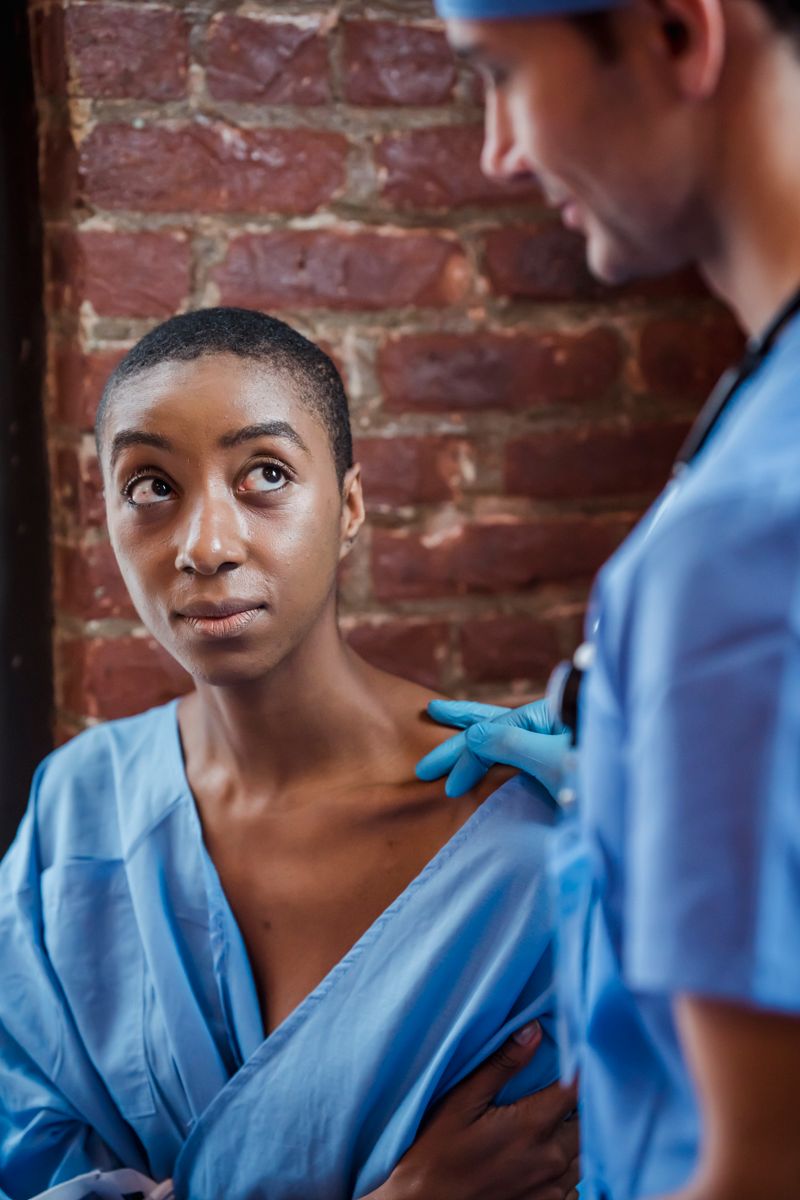
Menopause is the most common cause, and it hits Black women harder
If you are between your late thirties and mid-fifties and waking up drenched, the menopause transition is the first thing to consider. Hot flashes and night sweats are the same physiology, called vasomotor symptoms: a sudden sensation of heat, often with sweating, driven by the hormonal shifts of perimenopause and menopause. Estrogen therapy is the most effective treatment for them, and for many women the symptoms are manageable without it.
What is not widely known is how unevenly this burden falls. The Study of Women's Health Across the Nation (SWAN) followed 3,302 women across seven US sites through the menopause transition. Among women with frequent vasomotor symptoms, the median total duration was 7.4 years. African American women had the longest median duration of any racial or ethnic group in the study: 10.1 years. A separate SWAN analysis found African American women had the highest rate of reporting vasomotor symptoms, with adjusted odds 1.63 times those of white women.
A decade of frequent night sweats is a long time to be told this is normal and sent home. It is normal in the sense that it is common. It is not normal in the sense that nothing can be done. We covered the care gap behind these numbers, and what Halle Berry's advocacy got right about it, in our reporting on the Black-women menopause care gap.
An overactive thyroid is common, treatable, and easy to miss
Hyperthyroidism, an overactive thyroid, speeds up your metabolism, and the body runs hot. The American Thyroid Association lists increased sweating and feeling hot, a heart that feels like it is racing or beating irregularly, and weight loss despite a normal or even increased appetite. Night sweats fit that picture.
The reason this one gets missed is that the symptoms overlap with both perimenopause and anxiety: the racing heart, the heat, the trouble sleeping. The way to settle it is a single blood test. In hyperthyroidism, TSH is low while T4 and T3 are high. If you are sweating at night and your heart feels fast or irregular, ask for a TSH check. Thyroid disease and its skin and hair signs in Black women are easy to overlook for the same reason; we wrote about the thyroid signs that show up in skin and hair.
Community health centers order thyroid panels on a sliding scale that is often $0, and your regular primary care doctor can order the same panel if you have coverage. Our directory of free and charitable clinics lists centers by state. An at-home thyroid test is self-pay and is not billed to Medicaid, so the clinic route usually costs less. If you would rather test at home:

Everlywell
An at-home thyroid panel measuring TSH and related hormones from a finger-prick sample, with results in the Everlywell app.
Order an at-home thyroid testAffiliate link, we may earn a commission at no extra cost to you.
Infections, including TB, and what fever plus weight loss means
Infections drive night sweats through the body's immune response. Tuberculosis is the textbook example. The CDC lists sweating at night, fever, chills, and weight loss among the symptoms of active TB disease, usually alongside a cough in the pulmonary form. HIV is another cause on the standard differential for persistent night sweats; early HIV infection typically produces flu-like symptoms within two to four weeks of exposure. Endocarditis, a heart-valve infection, and infectious mononucleosis can do the same.
This is where the red-flag pattern earns its name. In the standard clinical workup for persistent night sweats, fever and drenching sweats paired with unexplained weight loss point toward infection or malignancy and call for prompt evaluation. Lymphoma classically presents with what clinicians call B symptoms: fever, drenching night sweats, and weight loss. Night sweats by themselves, without those companions, are far more likely to be benign. The combination is the part that changes the urgency.
Anxiety, medications, and low blood sugar
Three more causes are common, undersourced in patient conversations, and worth ruling in or out early.
Anxiety and panic attacks can produce night sweats directly, and mood disorders sit on the standard differential for persistent nocturnal sweating. If your sweats come with a racing mind, a pounding heart, and waking in a state of dread, the cause may be the nervous system rather than the endocrine system, though the two can coexist.
Medications are a frequent and reversible cause. The clinical literature names selective serotonin reuptake inhibitors (SSRIs), angiotensin II receptor blockers (the blood-pressure drugs ending in "-sartan"), corticosteroids like prednisone, and thyroid-hormone supplements as common culprits. SNRIs such as venlafaxine are well-recognized offenders as well. If your night sweats started within weeks of a new prescription, bring the bottle to your appointment before you assume anything more serious.
Low blood sugar, hypoglycemia, causes night sweats too, particularly in people taking insulin or other diabetes medications. Diabetes mellitus appears on the differential for persistent night sweats, and a nighttime drop in glucose is a recognized trigger. If you have diabetes and wake up sweaty, shaky, or with a headache, a low overnight glucose is worth investigating with your clinician.
The tests to ask for
You do not need a long, expensive evaluation to sort out most night sweats. The standard initial workup for persistent night sweats is a complete blood count, a TSH to check the thyroid, an HIV test, a C-reactive protein level, and a chest radiograph when infection is a concern, with a tuberculosis test (PPD skin test or QuantiFERON blood assay) when TB risk is present.
Bring three things to the appointment. First, the pattern: how often, how drenching, and whether sheets or clothing get soaked. Second, the companions: any fever, weight change, new lumps, or easy bruising. Third, your medication and supplement list, including anything started in the last few months. Those three details point your clinician toward the right test on the first visit rather than the third.
If you do not have a clinician who takes midlife symptoms seriously, the Black Health provider directory lists OB-GYNs, internal-medicine, and family-medicine clinicians with verified active licenses.
Frequently asked questions
Are night sweats always a sign of menopause? ▼
No. Menopause and perimenopause are the most common cause in women over 40, but the differential also includes thyroid disease, infections such as TB and HIV, anxiety, medications, low blood sugar, and lymphoma. Age and the presence of other symptoms decide which is most likely.
When are night sweats a sign of something serious? ▼
When they are drenching and come with fever, unexplained weight loss, swollen lymph nodes, or easy bruising. That combination is the classic warning pattern for infection or lymphoma and is reason to seek evaluation promptly. Night sweats alone, without those features, are usually benign.
Can a blood test tell me what is causing my night sweats? ▼
Often, yes, for several of the common causes. A TSH test diagnoses an overactive thyroid, a complete blood count and HIV test screen for infection and blood disorders, and a chest x-ray checks for TB when risk is present. These are the standard first-line tests.
Why do my hot flashes and night sweats seem worse and longer-lasting than my friends'? ▼
Vasomotor symptoms vary by individual and by group. In the SWAN study, African American women had the longest median duration of frequent hot flashes and night sweats, 10.1 years, compared with 7.4 years across the full cohort, and the highest rate of reporting these symptoms. A longer course is common, and it is treatable.
Can my medication cause night sweats? ▼
Yes. SSRIs and SNRIs, certain blood-pressure drugs (ARBs), corticosteroids, and thyroid-hormone pills are all recognized causes. If your sweats began soon after a new prescription, review the timing with your clinician before pursuing other tests.