If the skin between your toes is itchy, peeling or splitting, or the soles of your feet have turned dry and scaly in a pattern that will not lotion away, start an over-the-counter antifungal cream such as terbinafine or clotrimazole, keep using it for the full course, and dry between your toes every time you bathe. If you have diabetes, do not wait it out: the CDC tells people with diabetes to see a doctor or foot doctor right away for athlete's foot between the toes or for dry, cracked skin on the feet. And if you keep getting jock itch, look at your feet first.
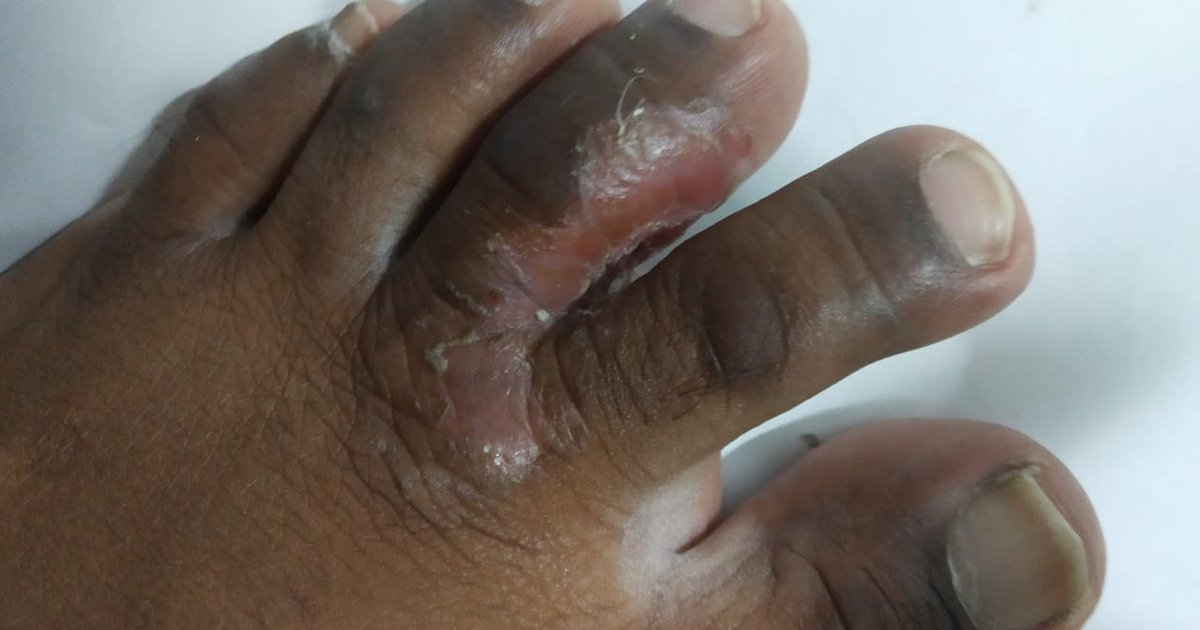
What athlete's foot looks like on brown and dark skin
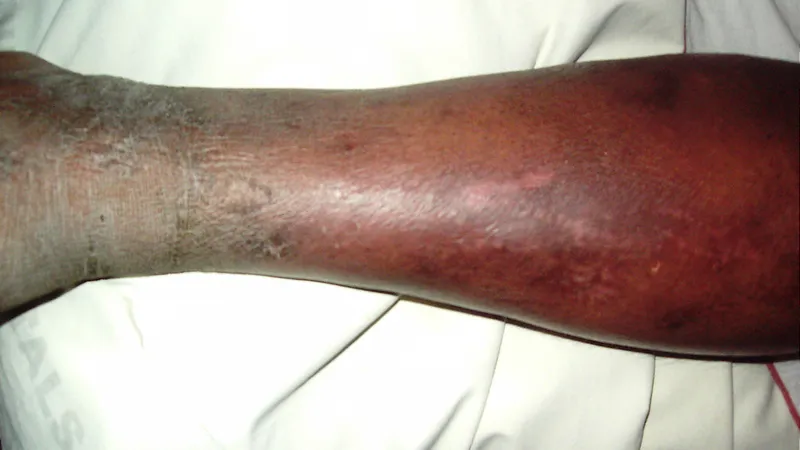
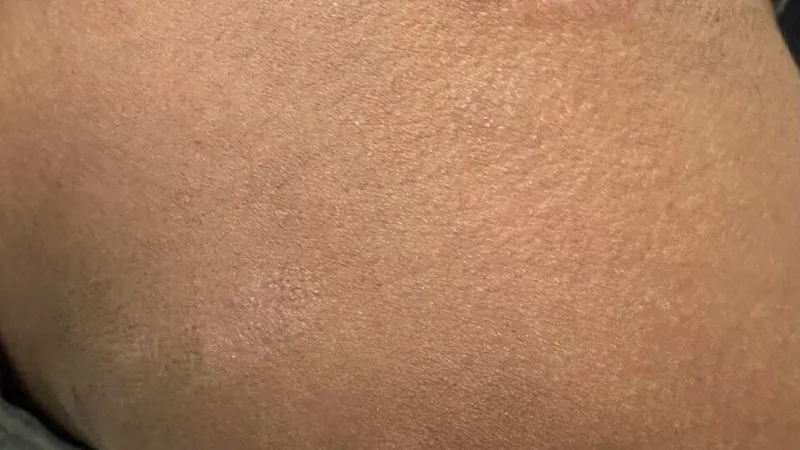
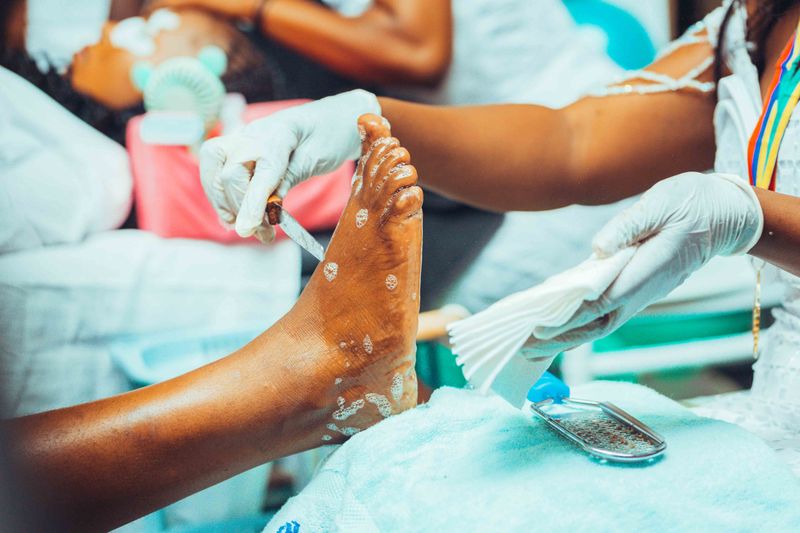
Athlete's foot is tinea pedis, a ringworm infection of the foot caused by dermatophyte fungi. The CDC describes it as itchy, peeling skin between the toes, most common between the pinky toe and the one next to it, that can also affect the sole and heel and can blister in severe cases. The CDC's own guidance says ringworm rashes appear red on white skin and red-purple, brown, gray, or black on brown skin. So on a darker foot, the color is the least reliable clue. The texture is the one to watch.
A 2023 clinical review describes three main forms:
Between the toes (interdigital). The most common form. Scaling that looks silvery white, peeling, and skin that turns white and soggy in the web space, usually between the fourth and fifth toes. Itch is the main symptom, and small cracks at the edges can sting or burn.
Moccasin type. Thick, dry, scaling skin across the heels, soles and sides of the foot, in the outline a moccasin shoe would cover, often with a rim of scale along the border of the foot. It often does not itch at all, which is why many people take it for dry skin or calluses for years. The review calls it usually chronic and quite resistant to treatment.
Blistering (vesiculobullous). Clusters of small, intensely itchy blisters, most often on the instep or the inner side of the sole.
The same review is blunt that the accuracy of diagnosing tinea pedis by eye is low. If you are not sure, a clinician can scrape a little scale and check it under the microscope (a KOH test) in the office. Ask for it by name.
How to treat it at home
Over-the-counter creams work. A Cochrane review of 67 trials found that both main families, allylamines (terbinafine) and azoles (clotrimazole, miconazole), cure far more athlete's foot than placebo, and that allylamines cure slightly more infections than azoles.
Common skin conditions are treated in primary care, and community health centers charge on a sliding scale that is often $0. Our directory of free and charitable clinics lists centers by state. A same-day telehealth visit is self-pay and cannot be billed to Medicaid or commercial insurance, so the clinic route usually costs less. If you need a prescription sooner than the next appointment:
Prescription skincare from a licensed clinician.
- Online visit and a treatment plan for your skin
- From $59 a month, shown before you book
 with Sesame Care
Affiliate link, we may earn a commission at no extra cost to you.
How long matters more than which brand. The CDC says antifungal creams, lotions or powders are usually applied for 2 to 4 weeks. The 2023 review puts the usual range at 2 to 4 weeks, notes that the between-the-toes form often responds to 1 week of topical terbinafine, and says the moccasin form may need 4 weeks. Follow the product label and finish the course even after the itch stops. The review names stopping early, once the skin looks better, as a reason the infection comes back.
Two things to skip. Do not treat a suspected fungal rash with a steroid cream by itself: the review warns that treating tinea pedis with immunosuppressive agents can produce tinea incognito, a disguised infection that is harder to recognize. And if your toenails are thick or discolored too, cream on the skin will not reach the nail. The review reserves prescription antifungal pills for severe disease, failed topical treatment, nail involvement, or a weakened immune system.
Why treating your feet keeps jock itch from coming back
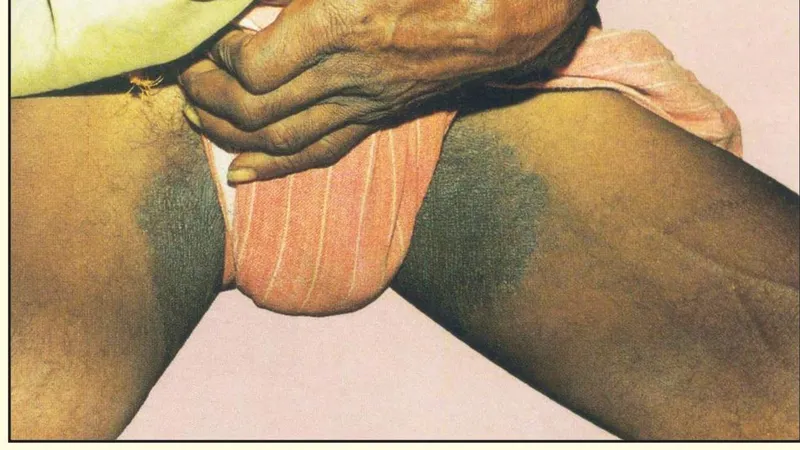
The fungus that causes athlete's foot does not stay put. It can spread to the toenails, the groin and the hands. A review of groin fungal infections says groin infection can be acquired by autoinoculation from athlete's foot and toenail fungus, meaning you carry it there yourself. That is why jock itch on Black skin so often returns after a cream that seemed to work: the source on the feet was never cleared.
Toenails are the other reservoir. In a survey of 2,761 patients with toenail fungus, 33.8% also had athlete's foot, and the authors suggested infected nails may be a site from which the infection spreads to other parts of the body. If your nails are thickened, yellowed or crumbling, read our guide to toenail fungus in Black adults and treat the nails and the skin together.
Keep it from coming back
The review's prevention advice is practical. Dry your feet thoroughly after bathing, especially between the toes. Wear clean cotton or other breathable socks and, when you can, open shoes or sandals. Avoid long stretches in tight, closed shoes. Do not share shoes. In one study it cites, the fungus was found in the footwear of 47% of people with athlete's foot, so hot-wash your socks and disinfect or hot-wash shoes where you can.
Diabetes: treat cracks as an open door
A crack between the toes is a break in the skin, and bacteria can get in. The 2023 review lists cellulitis, a spreading skin infection, as the most common bacterial complication of athlete's foot, because the infection provides a portal of entry. A case-control study of leg cellulitis in seven French hospitals found that toe-web intertrigo (the cracked, macerated skin between the toes) accounted for an estimated 61% of the population risk, and a meta-analysis of six studies found tinea pedis roughly tripled the odds of leg cellulitis.
For people with diabetes, the honest read of the evidence: a review of fungal foot infection and cellulitis found too little data to say the fungus itself carries a higher cellulitis risk in diabetes, and still urged clinicians to watch for and treat foot fungus. The CDC's foot guidance is direct: check your feet every day for cuts, redness, swelling, sores, blisters, or any change to the skin or nails, and if you have athlete's foot between your toes or dry, cracked skin on your feet, do not wait for your next appointment. Our guide to diabetic foot ulcers and amputation in Black adults covers the full foot-care routine.
When it will not clear: drug-resistant ringworm
A newer fungus, Trichophyton indotineae, causes ringworm that does not respond to the usual medicine. The CDC reported the first US cases in New York City in 2023 and described the infections as highly transmissible, widespread, inflamed and itchy, with isolates that are frequently resistant to terbinafine, a mainstay of tinea treatment. One patient had no recent international travel, suggesting the fungus may be spreading locally. In a 2024 case series of 11 New York patients, all had widespread rashes, creams alone had failed, and diagnosis was delayed by 3 to 42 months.
These reports describe widespread body and groin rashes, not typical athlete's foot. But the CDC's advice to clinicians applies to anyone whose fungal rash keeps growing: consider this fungus when a rash is widespread and does not improve with first-line creams or oral terbinafine. If that is you, tell your clinician what you have already tried and ask whether a fungal culture with species identification makes sense.
Frequently asked questions
What does athlete's foot look like on Black skin? ▼
Look for itching with peeling, white, soggy skin between the toes (often the fourth and fifth), or dry, thick scale across the sole and sides of the foot. The CDC says ringworm on brown skin can look red-purple, brown, gray or black rather than red, so texture is a better guide than color.
How long does it take for athlete's foot to go away? ▼
Antifungal creams are usually used for 2 to 4 weeks. The between-the-toes type can clear with 1 week of terbinafine cream, while the moccasin type may need 4 weeks or more. Finish the course even after the itch stops.
Can athlete's foot cause jock itch? ▼
Yes. The same fungus can spread from your feet or toenails to your groin, which is called autoinoculation. If jock itch keeps coming back, treat your feet and nails at the same time.
Is athlete's foot dangerous if I have diabetes? ▼
It can be. Cracked skin between the toes can let bacteria in and lead to cellulitis. The CDC advises people with diabetes to see a doctor or foot doctor right away for athlete's foot between the toes or cracked skin on the feet.
Why is my athlete's foot not going away? ▼
Common reasons are stopping the cream too early, untreated toenail fungus reseeding the skin, reinfection from shoes, using a steroid cream, or a rash that is not fungal at all. A clinician can confirm the diagnosis with a skin scraping, and a culture if a drug-resistant fungus is a concern.