If you have an itchy, scaly patch in the fold where your thigh meets your groin, start an over-the-counter antifungal cream such as clotrimazole or terbinafine, use it for 2 to 4 weeks, keep the area dry, and treat your feet at the same time. Do not reach for a steroid or a steroid combination cream. If the rash has not cleared after a full course, or it keeps spreading, see a dermatologist and ask for a skin scraping to confirm what it is.
What jock itch looks like on brown and dark skin
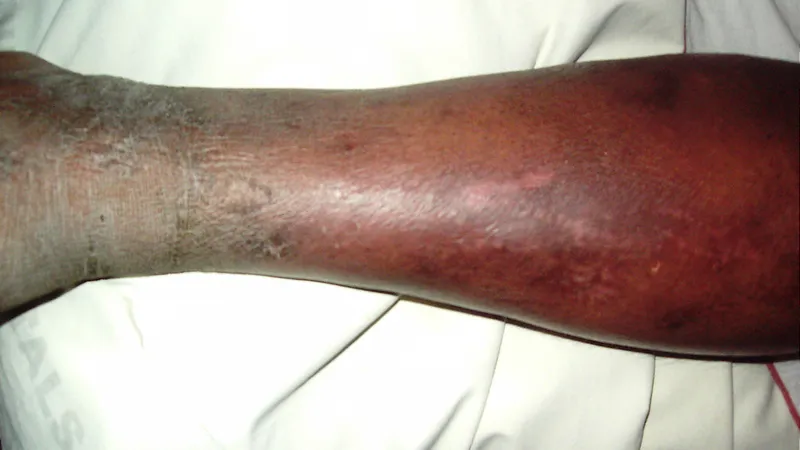
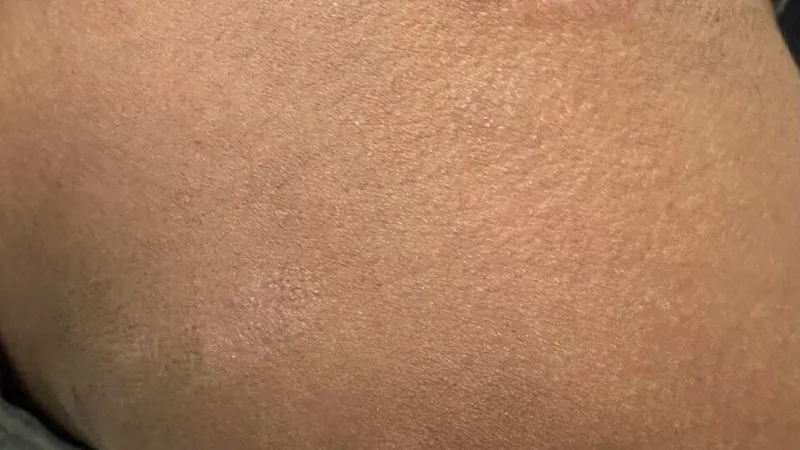
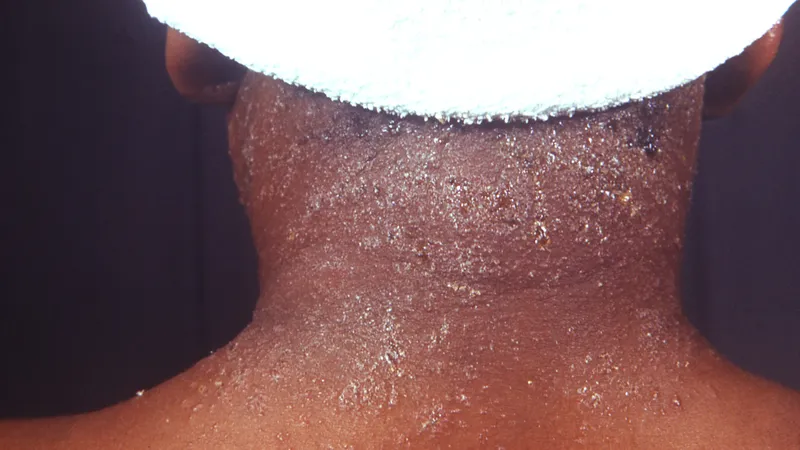
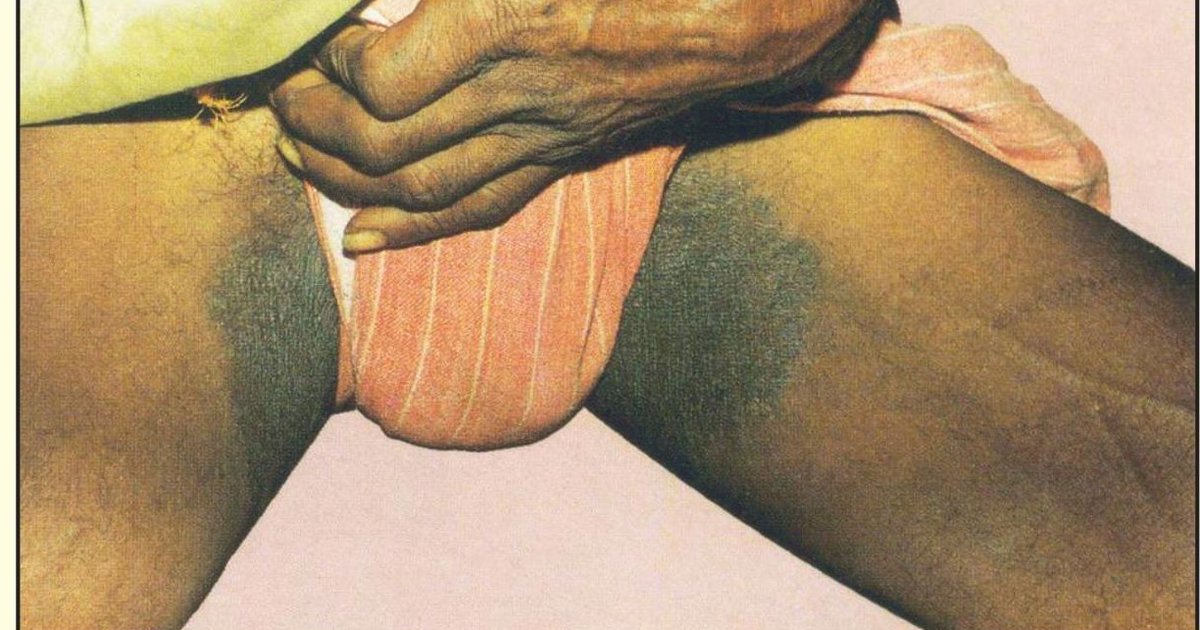
Jock itch is tinea cruris, a ringworm infection caused by the same dermatophyte fungi that cause athlete's foot. The CDC describes it as itchy, scaly spots usually found on the inner sides of the skin folds of the thigh. Most pictures you will find show it bright red. On brown skin, the CDC notes, the rash and the bumps inside it can appear red-purple, brown, gray, or black.
That can mean a darker patch spreading out from the crease of the groin onto the inner thigh, often on both sides, with a slightly raised, scaly edge and clearer skin toward the middle. A review of genital fungal infections shows exactly this picture, labeling it hyperpigmented extensive tinea cruris. Because a dark patch in the groin is easy to write off as chafing or friction darkening, the clues to watch for are the itch, the fine scale, and an edge that keeps creeping outward week after week.
Not every dark inner thigh is a fungus. Friction and other causes darken that skin without itch or scale; see dark underarms and inner thighs on Black skin. Jock itch is the one that itches and spreads.
What jock itch gets confused with
Inverse psoriasis. Psoriasis in skin folds, most often the groin, makes sharp-edged patches that look smooth, moist and shiny, with little or no scale. On skin of color, psoriasis may look violet or dark brown rather than red. Antifungal cream will not fix it. Clues: little scale, a very sharp border, and psoriasis elsewhere on the body such as the scalp, elbows or nails.
Erythrasma. This is a bacterial infection, not a fungus, caused by Corynebacterium minutissimum. It shows up in the groin, armpits and between the toes as red or brown patches with fine scale, and it often does not itch much. A dermatologist can tell in seconds with a Wood lamp: erythrasma glows coral pink under it. It needs an antibacterial treatment, so months of antifungal cream go nowhere.
Intertrigo. Plain friction in a skin fold, from skin rubbing on skin, heat and sweat, causes raw, macerated skin that can crack. It is common in people who carry more weight and in runners and cyclists.
Candida (yeast). Yeast also loves moist folds. The giveaway is small separate spots or pustules scattered just outside the main patch, called satellite lesions. Jock itch instead has a raised, scaly, ring-shaped border.
The reliable answer is a test. A clinician can scrape a little scale from the edge and look for fungus under a microscope with a potassium hydroxide (KOH) prep, or send it for culture. That one step decides whether you need an antifungal, an antibacterial or a psoriasis treatment.
Common skin conditions are treated in primary care, and community health centers charge on a sliding scale that is often $0. Our directory of free and charitable clinics lists centers by state. A same-day telehealth visit is self-pay and cannot be billed to Medicaid or commercial insurance, so the clinic route usually costs less. If you need a prescription sooner than the next appointment:
Prescription skincare from a licensed clinician.
- Online visit and a treatment plan for your skin
- From $59 a month, shown before you book
 with Sesame Care
Affiliate link, we may earn a commission at no extra cost to you.
How to treat it
For an ordinary case, over-the-counter treatment works. The CDC names clotrimazole (Lotrimin, Mycelex) and terbinafine (Lamisil) among the nonprescription options and says antifungal creams, lotions or powders are usually applied for 2 to 4 weeks. A dermatology review gives the same range, once or twice daily for 2 to 4 weeks. Spread the cream past the visible edge onto normal-looking skin, and finish the full course even after the itch stops.
Then fix the conditions the fungus likes. The same review advises loose cotton or moisture-wicking clothing, drying the area completely before you dress, not walking barefoot, and not sharing clothes or towels.
Why it keeps coming back
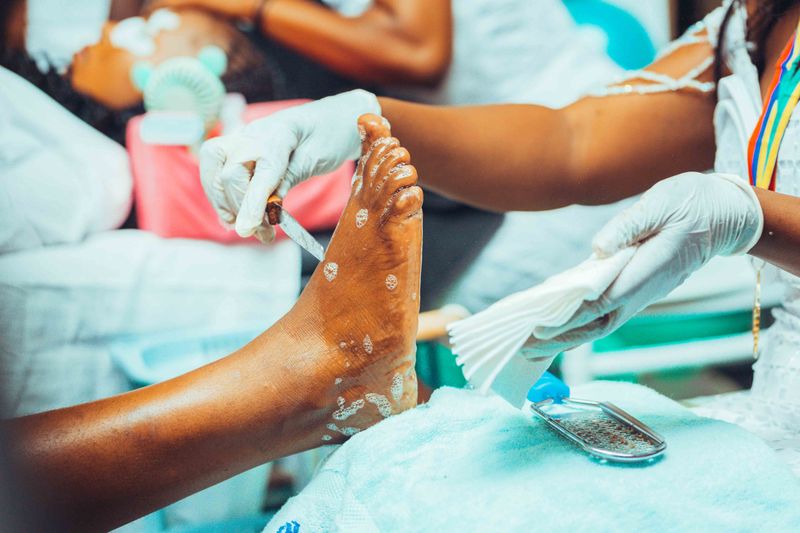
One reason is your own feet. Genital and groin fungal infection can be acquired by autoinoculation from athlete's foot (tinea pedis) and toenail fungus,, meaning you carry it from one spot to the other yourself. Clear the groin without treating the feet and it simply returns. If you have peeling between the toes or thick, discolored toenails, treat them at the same time, and expect that treatment may need to run longer when the feet are involved.
Treatment also fails for other predictable reasons. A review lists them: poor adherence, reinfection from close contact, drug resistance, the wrong diagnosis, and unusual fungal species. If you have done a full course correctly and it is back, that is the moment for a confirmed diagnosis, not a stronger cream from the pharmacy.
Why steroid creams make it worse
The CDC is direct: do not use over-the-counter creams containing steroids for ringworm or for a rash that has not been diagnosed, because steroids can make ringworm worse. That includes hydrocortisone and the antifungal plus steroid combination creams sold for itch.
Steroids suppress inflammation, which hides the rash, while weakening the skin's local immune defense. A 2024 review of tinea incognito, the name for ringworm disguised by steroid treatment, says combination steroid and antifungal creams are never an adequate treatment for these infections, and that in covered areas like the groin, buttocks and armpits the steroid can be enough to cause tinea incognito even with the antifungal in the same tube. The infection loses its scaly ring, spreads, and becomes much harder for the next clinician to recognize. Delay lets the fungus go deeper and become harder to treat.
Ringworm that terbinafine does not cure
A newer problem is a fungus called Trichophyton indotineae. The CDC reported the first US cases in New York City in 2023, noting that this species is frequently resistant to terbinafine, a mainstay of ringworm treatment, and that standard lab cultures often misidentify it. Both patients had itchy, scaly, ring-shaped patches, including on the pubic area, thighs and buttocks.
A follow-up study of 11 patients treated at six New York City medical centers found that every one had widespread lesions, had already failed antifungal creams, and waited between 3 and 42 months for the right diagnosis. Terbinafine pills failed in 7 of them. Itraconazole, a different oral antifungal, cleared or improved the rash in 5 of the 7 patients who took it. The CDC asks clinicians to consider this fungus when tinea is widespread and does not improve with first-line creams or oral terbinafine.
Ordinary jock itch still generally responds to inexpensive topical antifungals. But if your rash is spreading across your thighs, buttocks or trunk and terbinafine has not touched it, say so plainly and ask whether a fungal culture with species identification is warranted. Our guide to ringworm on Black skin covers the rest of the tinea family, from the scalp to the feet.
How to get care
Bring the boxes or photos of every cream you have used, because a steroid in the mix changes how the rash looks and how it should be treated. Ask directly: can you scrape the edge for a KOH test, and if it is not fungal, could it be erythrasma or inverse psoriasis? If treatment has already failed, ask for a culture. After the infection clears, a dark mark can linger for months. That is post-inflammatory hyperpigmentation, not the fungus returning. To find a dermatologist who knows skin like yours, search the Black Health dermatology directory.
Frequently asked questions
What does jock itch look like on Black skin? ▼
An itchy, scaly patch in the groin fold that spreads onto the inner thigh. On brown skin the CDC notes ringworm can look red-purple, brown, gray or black rather than red, so it often shows up as a dark patch with a slightly raised, scaly edge.
How long does jock itch take to go away with cream? ▼
Antifungal creams such as clotrimazole or terbinafine are usually used for 2 to 4 weeks. Keep applying until the full course is done, even after the itch stops. If it is not clearing after that, see a clinician.
Why does my jock itch keep coming back? ▼
Athlete's foot or toenail fungus can reseed it. Treat your feet at the same time. Stopping cream early, sharing towels, staying in sweaty clothes, a wrong diagnosis and drug-resistant fungus are the other common reasons.
Can I use hydrocortisone on jock itch? ▼
No. The CDC says steroid creams can make ringworm worse. Steroids, including antifungal and steroid combination creams, can disguise the infection as tinea incognito and help it spread.
Is it jock itch or something else? ▼
Inverse psoriasis, erythrasma, friction intertrigo and yeast all cause groin rashes. Erythrasma glows coral pink under a Wood lamp, yeast has scattered satellite spots, and psoriasis is smooth and sharp-edged. A KOH scraping confirms fungus.
What if terbinafine does not work? ▼
See a dermatologist. A terbinafine-resistant fungus, Trichophyton indotineae, has been reported in the US. It usually causes widespread rash and needs a fungal culture and a different oral antifungal, such as itraconazole.