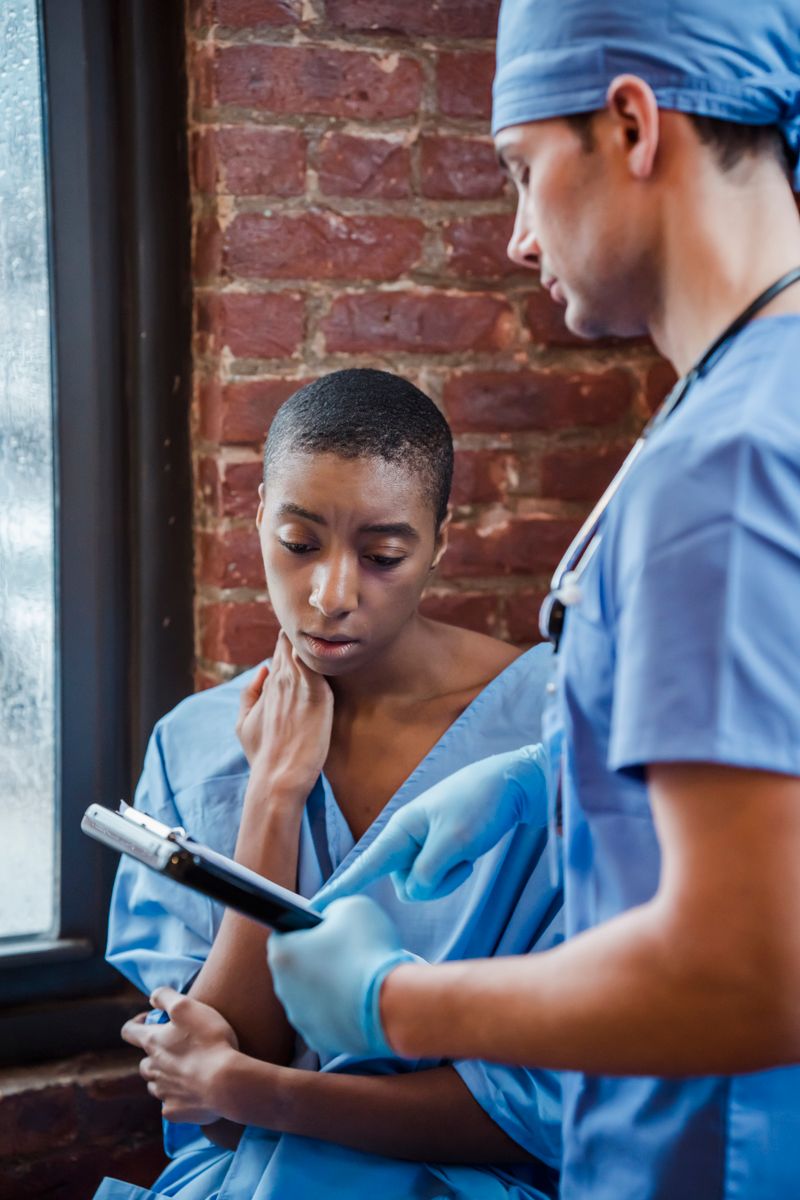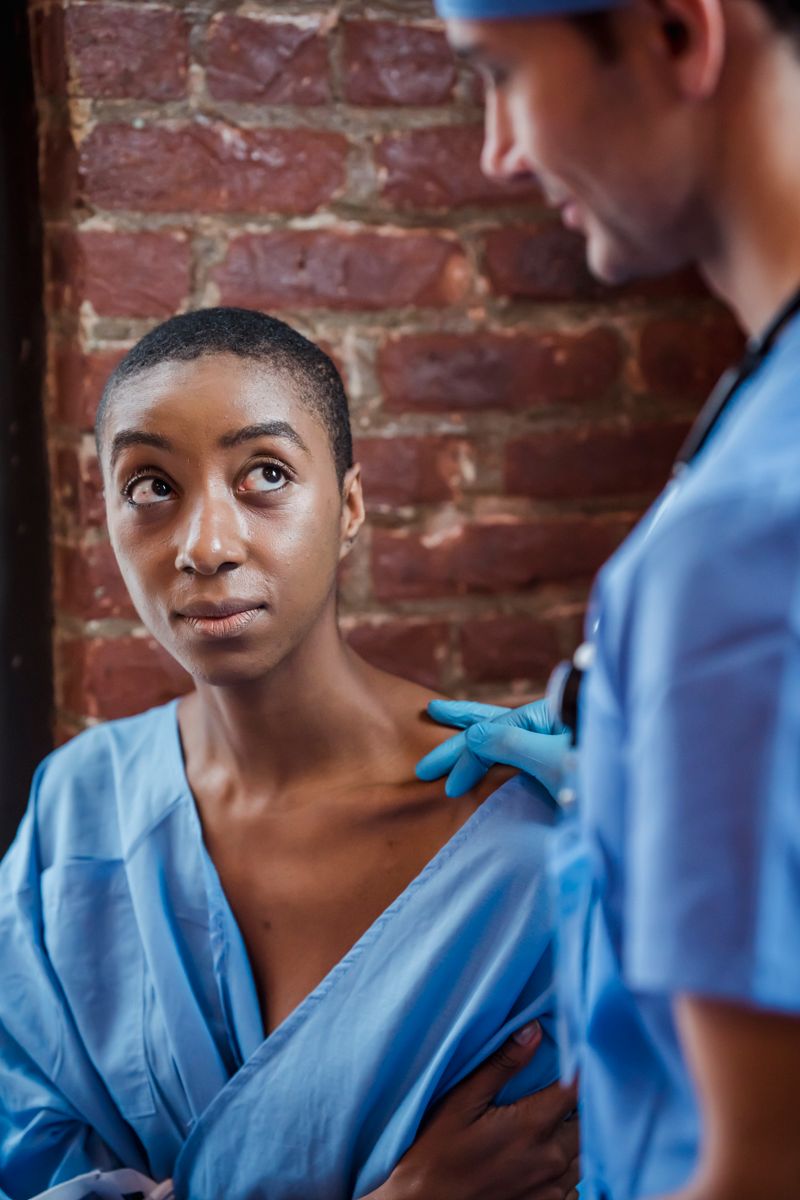
In 2022, Black women received 3,523 new HIV diagnoses, making up 50% of all HIV diagnoses among women in the United States while representing just 13% of the female population. That same year, Black women accounted for 57% of HIV-related deaths among all women with diagnosed HIV. HIV ranked as the ninth leading cause of death for Black women aged 25 to 34. These are not statistics about inevitable biology. They are the result of a system that under-prescribes PrEP to Black women, under-invests in prevention infrastructure in the South, and tolerates provider bias that shapes who gets offered a life-saving pill.
The Diagnosis Numbers, Explained
Between 2010 and 2022, HIV diagnoses among Black women fell 39%, which reflects real progress from community organizing, expanded testing, and ART access. From 2018 to 2022, that decline nearly stalled, dropping only 1%. Black women have a diagnosis rate of 19.2 per 100,000, the highest among any group of women. Most infections among Black women occur through heterosexual contact, not injection drug use (which accounts for 15% of diagnoses). That route matters for prevention: many standard HIV-risk screening questions were built around MSM and IDU patterns and do not capture heterosexual Black women as candidates for PrEP, even when their risk is real.
The South carries the largest burden. More than half of all new HIV diagnoses in the US occur in Southern states. In some Southern cities, the PrEP-to-Need Ratio for Black people is 4 PrEP users per new HIV diagnosis, compared to 27 among white people in the same region, according to AIDSVu 2022 data. Black transgender women face an additional burden: they account for 41% of HIV diagnoses among all transgender women, the highest share by race or ethnicity.
PrEP Works. Black Women Are Not Getting It.
Pre-exposure prophylaxis (PrEP) is medication taken before potential HIV exposure to prevent infection. Daily oral PrEP (emtricitabine/tenofovir) reduces HIV risk by up to 99% when taken consistently. As of 2022, 94% of white people who could benefit from PrEP had received a prescription. Among Black people, that figure was 13%. Among all women, only 9% of PrEP users in 2024 were women, despite women accounting for nearly 19% of new diagnoses. The disparity compounds when you look at Black women specifically: only 39% of Black women at risk were even aware PrEP existed, and of those who knew, only 1% had used it in the past year, according to a 2024 CDC study in AIDS and Behavior (PMID 39739217).
Three documented barriers explain the gap. First, provider bias: a 2021 study in JAIDS (PMID 34506359) found that providers who scored higher on modern racism measures were significantly less willing to discuss or prescribe PrEP to Black patients. The mechanism was assumed non-adherence, not risk assessment. Second, structural barriers: a 2025 systematic review in Healthcare (PMID 39791693) identified limited PrEP awareness, insurance gaps, medical mistrust, and geography. PrEP requires an HIV test, creatinine check, and follow-up labs every 90 days, and each step is a place the system can fail a patient without reliable insurance or transportation. Third, stigma: HIV carries a social stigma that leads many women to avoid testing and provider conversations, a predictable result of decades of messaging that linked HIV to categories many Black heterosexual women do not identify with.
Health departments and community health centers test for HIV at low or no cost, and can often connect you to a PrEP assistance program that covers the medication regardless of insurance. Our directory of free and charitable clinics lists verified centers by state. A same-day telehealth visit for testing or PrEP is self-pay and is not billed to Medicaid, so check the free routes first. If you want to start today:
Affiliate
Injectable PrEP Changes the Math
Daily adherence is one real barrier to oral PrEP. Two injectable options have changed the equation.
Cabotegravir (Apretude), injected every 8 weeks, was tested in the HPTN 084 Phase 3 trial among 3,224 cisgender women in sub-Saharan Africa. The trial was stopped early: injectable cabotegravir reduced HIV incidence by 88% compared to daily oral TDF/FTC (0.20 cases per 100 person-years versus 1.85; PMID 35378077, Lancet, 2022).
In 2025, the FDA approved lenacapavir (Sunlenca), given every 6 months by injection. The PURPOSE 1 trial enrolled 5,338 women aged 16 to 25 and found 100% efficacy in preventing HIV acquisition (PURPOSE 1 PMID 39046157; CDC MMWR recommendation DOI 10.15585/mmwr.mm7435a1). Twice-yearly injection removes the daily-adherence barrier entirely. The same structural obstacles that block oral PrEP access still apply to injectables, but the drugs exist and are covered through patient assistance programs. Ask your provider about Apretude or Sunlenca by name.
How to Get PrEP
PrEP requires a prescription, an HIV test, and a kidney function test before starting, plus follow-up labs every 90 days. Ask your primary care provider, OB-GYN, or family medicine doctor directly: "I want to talk about PrEP." The USPSTF Grade A recommendation means most private insurance and Medicaid plans must cover PrEP without cost sharing. For uninsured patients, Gilead's Advancing Access program covers Truvada and Descovy at no cost, and the HRSA Ryan White HIV/AIDS Program funds PrEP navigation in many communities. The CDC's PrEP locator at cdc.gov/hiv/prevention/prep.html lists providers near you. If a provider dismisses your request, go to an HIV specialty clinic or sexual health center. "I'm at risk for HIV through heterosexual contact and I'd like PrEP" is a complete sentence. You do not owe anyone more justification than that.
HIV Testing: When and How Often
The USPSTF recommends HIV screening for all adults aged 15 to 65 as part of routine care (Grade A, 2019). For anyone at ongoing risk, testing every 3 to 6 months is appropriate. "Ongoing risk" includes multiple sexual partners, a partner with unknown status, inconsistent condom use, or a history of another STI such as bacterial vaginosis or chlamydia. Read more about how bacterial vaginosis connects to elevated STI risk for Black women.
Home testing is available. OraQuick's over-the-counter oral test provides results in 20 minutes. Lab-based tests ordered through a primary care visit or through services such as Planned Parenthood are more sensitive and can detect infection earlier. Anyone who receives a positive result should follow up immediately with a provider for confirmatory testing and same-day linkage to care, which dramatically improves long-term outcomes.
Living with HIV: U=U and Treatment Outcomes
U=U (Undetectable = Untransmittable) is the scientific consensus: the PARTNER, PARTNER2, and Opposites Attract studies documented zero genetically linked HIV transmissions from virally suppressed individuals across tens of thousands of condomless sex acts. PARTNER2 (Lancet, 2019, DOI 10.1016/S0140-6736(19)30418-0) confirmed this for MSM couples; HPTN 052 confirmed it for heterosexual couples. U=U holds regardless of sex or transmission route.
A 2023 Medical Monitoring Project analysis in JAIDS (PMID 37129907) found that 62.4% of Black women with HIV maintained sustained viral suppression compared to 70.4% of white women. After adjusting for poverty, insurance gaps, transportation needs, and healthcare discrimination, the gap was no longer statistically significant. The disparity is structural, not biological. When Black women with HIV have stable housing, consistent insurance, and providers who treat them without discrimination, their outcomes match anyone else's. If you are living with HIV and not on treatment, find a Black-serving HIV specialist to start you on a regimen.
How to Get Care
Whether you are looking for a PrEP provider, HIV testing, or a specialist who treats Black women with HIV and understands the specific context of your care, find a Black-serving or culturally competent provider near you in our directory. HIV specialty clinics, federally qualified health centers (FQHCs), and sexual health centers routinely offer same-day PrEP starts, sliding-scale fees, and patient assistance navigation. You do not need to navigate this alone, and you do not need to wait for a provider to bring it up first.
Frequently asked questions
Does PrEP protect against other STIs? ▼
PrEP prevents HIV only. It does not protect against gonorrhea, chlamydia, syphilis, herpes, or HPV. Using condoms alongside PrEP provides protection against other STIs and adds a further layer of HIV prevention. If you are on PrEP, your quarterly check-up is a good time to screen for other infections.
Can I get PrEP if I don't have health insurance? ▼
Yes. The USPSTF Grade A rating for PrEP requires most Medicaid plans to cover it without a copay. Gilead's Advancing Access program covers Truvada and Descovy at no cost for uninsured patients who qualify. Federally qualified health centers offer sliding-scale fees and can help with enrollment in patient assistance programs. The Ryan White HIV/AIDS Program funds PrEP navigation in many communities. Call 1-800-448-0440 (HIV/AIDS hotline) for referrals to free or low-cost PrEP services near you.
I was recently diagnosed with HIV. What happens next? ▼
Get linked to an HIV specialist or infectious disease provider as quickly as possible. Most clinics recommend starting antiretroviral therapy (ART) within days of diagnosis. Early treatment reduces viral load, protects your immune system, and gets you to an undetectable status. Once you are undetectable, you cannot transmit HIV sexually. Ask your provider about the Ryan White HIV/AIDS Program if cost is a concern.
Can a woman with HIV have children safely? ▼
Yes. A woman with HIV who is on ART and maintains an undetectable viral load during pregnancy can reduce the risk of mother-to-child transmission to less than 1%. ART during pregnancy is the standard of care in the US. Discuss your regimen with your OB and HIV provider before conception or as early as possible in a pregnancy.
What does U=U mean, and does it apply to women? ▼
U=U stands for Undetectable = Untransmittable. It means that a person living with HIV who is on antiretroviral therapy and maintains a viral load below the detectable threshold (typically below 200 copies per milliliter) cannot sexually transmit HIV to partners. The evidence base includes the HPTN 052 trial (which enrolled heterosexual serodiscordant couples) and the PARTNER studies. U=U applies regardless of sex or transmission route. The CDC and major HIV organizations endorse this consensus.