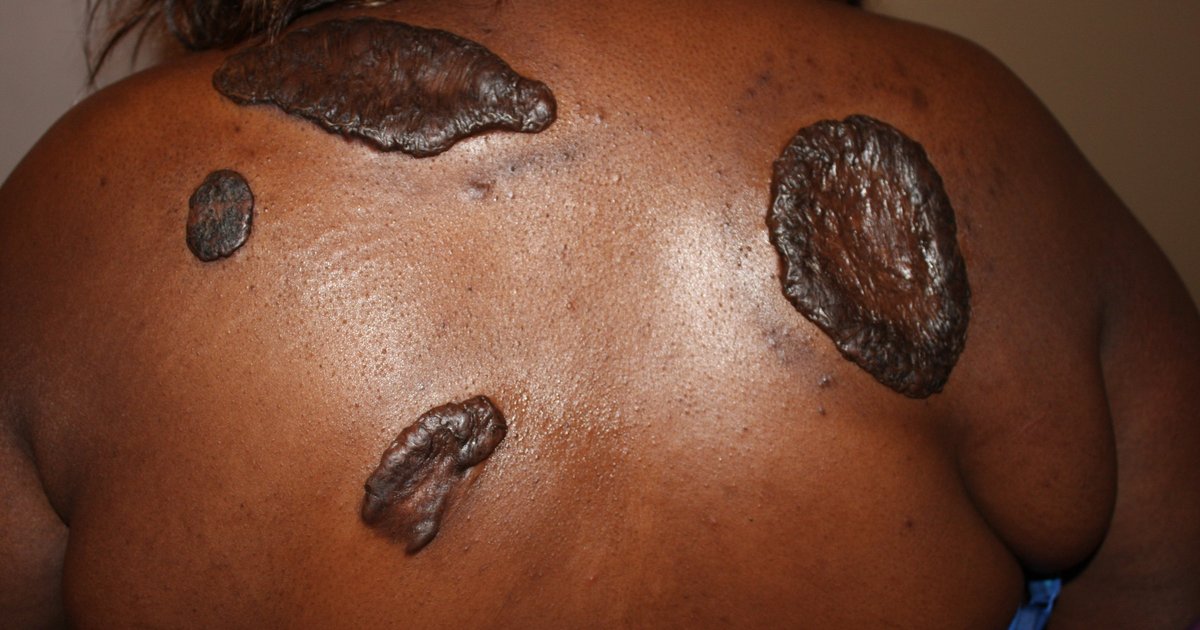
Keloids are not ordinary scars that healed ugly. They are benign growths of scar tissue with their own biology, which is why they expand beyond the wound, why they can itch, burn, and stay tender for years, and why they laugh at scar creams. They favor the earlobes, jawline, chest, shoulders, and upper back, and they run in families. The registry data putting Black patients at 74 percent higher odds also logged the everyday triggers: piercings, acne, minor procedures, and surgical incisions. That biology sets the rule for everything below: any treatment that removes or shrinks a keloid without addressing regrowth is a temporary treatment.
The standard starting point is triamcinolone, a corticosteroid injected directly into the keloid, typically in a series spaced several weeks apart, which flattens and softens the scar over months. The stronger evidence-backed move is combining it with 5-fluorouracil: a meta-analysis pooling 1,326 patients found the combination outperformed steroid alone, with a 28 percent higher rate of effectiveness, a quarter the recurrence, and fewer side effects like skin thinning and visible blood vessels. One honest caveat belongs next to that: a separate meta-analysis that isolated true keloids found the advantage did not reach statistical significance in that subgroup, so think of the combination as the better-supported option rather than a guarantee. Expect partial improvement, measured in months, and expect maintenance if the keloid pushes back.
Cutting a keloid out creates a fresh wound in skin that has already proven it heals with keloids. The published numbers are blunt: recurrence after excision alone has been reported at rates up to 100 percent, and the recurrence frequently outgrows the original. That is why reputable surgeons pair excision with something that suppresses regrowth. The best-documented pairing is radiation delivered right after surgery: a 2022 pooled analysis found recurrence around 16 percent across body sites, and about 11 percent for ear keloids, with higher radiation doses doing better. Post-excision steroid injections are the other common pairing. The question to ask any surgeon offering to remove a keloid is one sentence: what is the plan to keep it from coming back?
Whatever brought you to this page, community health centers see patients regardless of insurance and charge on a sliding scale that is often $0. Our directory of free and charitable clinics lists verified centers by state. A same-day telehealth visit is self-pay and is not billed to Medicaid, so if you have Medicaid the clinic route will usually cost less. If you would rather see a clinician online today:

Sesame Care
A same-day online visit with a licensed clinician for common health concerns, starting as low as $34. Prices are shown before you book; visits start at $34 and vary by clinician and location (checked August 2026).
See a doctor todayAffiliate link, we may earn a commission at no extra cost to you.
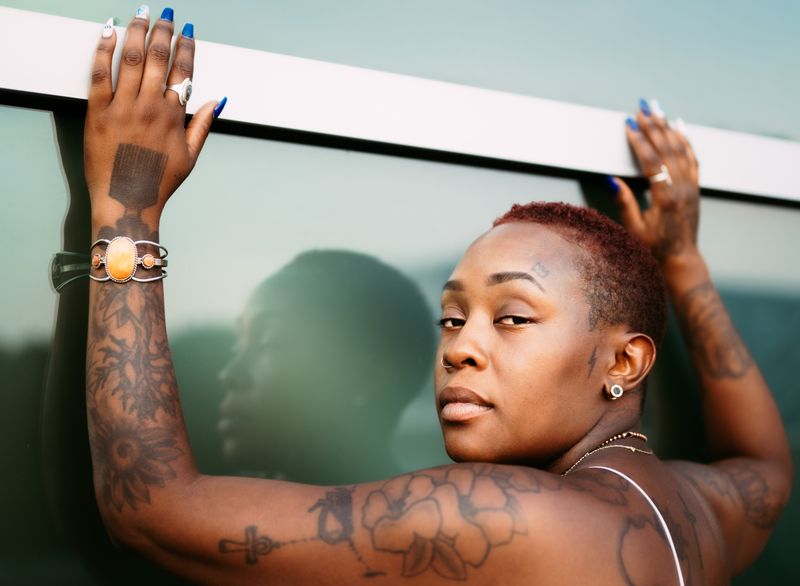
Piercing keloids are the most common version of this problem, and they have the most encouraging track record. A classic series treating earlobe keloids with excision, steroid injection, and a custom pressure earring worn afterward reported no recurrence in 8 of 9 patients. Pressure is cheap, boring, and it works on earlobes; the catch is compliance, since the earring needs to be worn consistently for months. If you are keloid-prone and considering new piercings, this is also the honest warning: every new hole is a new bet, and cartilage piercings are riskier bets than lobes.
Intralesional cryotherapy freezes the keloid from the inside through a probe. The published results are genuine: 51 to 63 percent average volume reduction in a treatment evaluation, with recurrence between 0 and 24 percent across studies. The catch matters specifically for this site's readers: the most consistent side effect is hypopigmentation, a lasting light patch where pigment cells were damaged by the freeze, and it was observed mostly in darker skin types. Professional guidelines grade the cryotherapy evidence as weak, so treat it as an option to discuss with a dermatologist who treats dark skin routinely, weighing a smaller keloid against a possible permanent light spot.
We will not print a made-up national price range; as we found researching what dermatology visits cost without insurance, the confident dollar figures circulating online rarely trace to anything real. What we can tell you is the structure. Injection treatment bills per session, and a course is usually several sessions, so ask the office for the per-session self-pay price and the expected number of sessions. Excision plus radiation involves a surgeon and usually a radiation facility, which means two bills; ask each for a cash quote before scheduling. And insurance coverage often turns on whether the chart documents a medical problem rather than a cosmetic one: pain, itching, tenderness, recurrent irritation from clothing, or restricted movement. Say those words to the clinician if they are true, ask the office to note them, and get a coverage determination from your plan before surgery rather than after.
Tell every surgeon, piercer, and tattoo artist before they touch you, because closure technique and aftercare planning change when they know. Treat acne on the chest, shoulders, and jawline early, since every inflamed bump on those sites is a potential trigger; our guide to razor bumps on Black skin covers the shaving version of the same problem. And if a keloid is already growing, earlier treatment is easier treatment: small and young responds to injections in a way that large and established does not. Our directory of Black dermatologists lists clinicians by city for exactly this conversation.
Frequently asked questions
Do keloids go away on their own? ▼
Rarely. Unlike hypertrophic scars, which often flatten over a year or two, keloids tend to persist and can keep growing slowly. That is why treatment decisions are about timing and recurrence rather than waiting it out, and why a small, newer keloid is the easiest one to treat.
Does insurance cover keloid removal? ▼
Often, when it is documented as medical rather than cosmetic. Plans look for symptoms in the chart: pain, itching, tenderness, recurrent irritation, restricted movement, or recurrent infection around the site. Report those honestly, ask for a prior authorization or coverage determination before an excision, and get the answer in writing.
What is the best treatment for keloids on Black skin? ▼
The same evidence hierarchy applies: steroid injections first, with the steroid plus 5-fluorouracil combination carrying the stronger data; excision only when paired with radiation or injections; and pressure earrings after earlobe excision. The dark-skin-specific caution is cryotherapy's hypopigmentation risk, which was observed mostly in darker skin types. A clinician who treats keloids in Black patients weekly is the real answer.