Why light patches stand out on dark skin
Skin gets its color from melanin, made by pigment cells. A light patch means that spot is making less pigment, or none at all. The American Academy of Dermatology (AAD) notes that light spots tend to be more noticeable on brown or Black skin, simply because the contrast is greater.
You're not alone in noticing: a 2023 review notes pigment problems are the third most common reason people with skin of color see a dermatologist. The good news is that many light spots fill back in on their own.
How to tell the common causes apart
Check four things in daylight: the edge, the color, the surface, and where the patch sits. Then factor in age and season.
| What it looks like | Where it shows up | Who gets it, and when | Surface | |
|---|---|---|---|---|
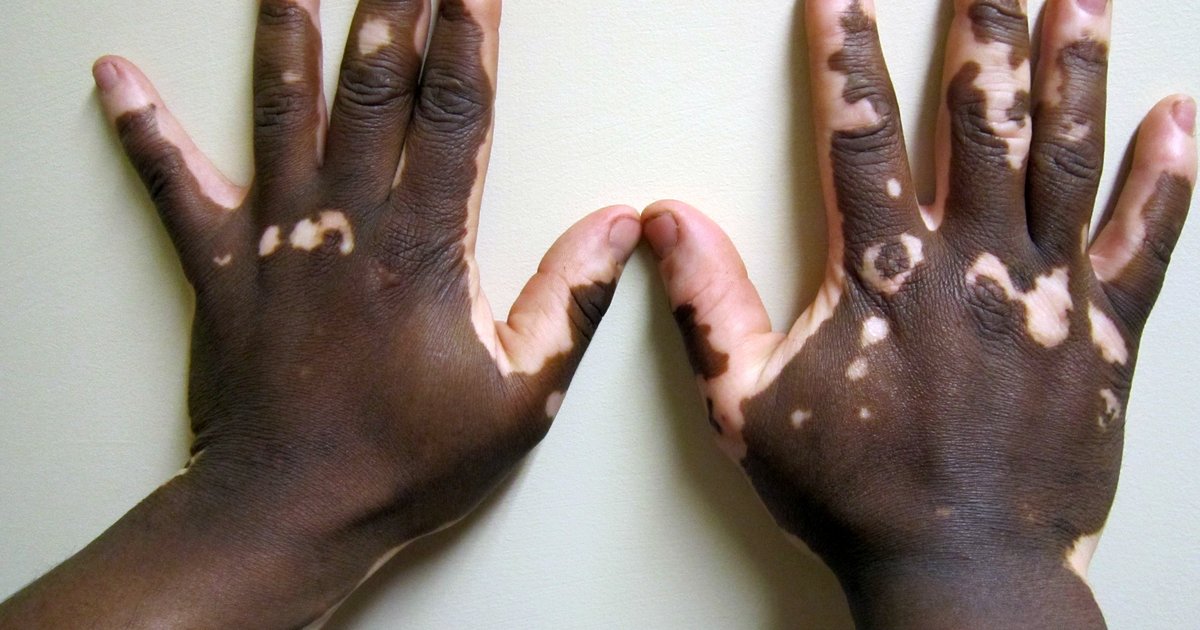
| Vitiligo | Milk-white once it settles, with a sharp edge. Can look pink or three-toned while spreading. | Face (around the mouth and nose), hands, arms, feet. Often both sides of the body. | Any age. About half of people get it before 20. | Smooth, no scale. May itch when new. |
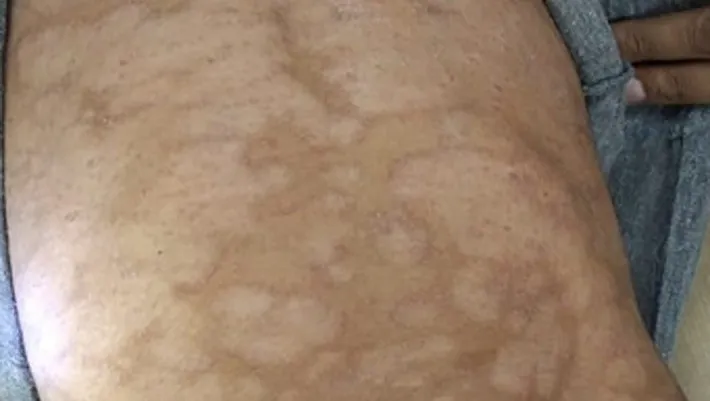
| Tinea versicolor | White, pink, salmon, tan, or brown spots that merge into patches. | Chest, upper back, neck, upper arms. | Teens and young adults. Worse in hot, humid weather. | Fine, dry scale that shows when you stretch or scratch the skin. |
| Pityriasis alba | Faint, lighter patches with blurry edges. | Face, most often. | Children and teens, often with dry skin or eczema. Stands out more after sun. | Fine, subtle scale. |
| Healed rash or injury | A lighter area in the shape of what healed. | Wherever the eczema, psoriasis, bite, burn, or treatment was. | Any age. | The rash or wound came first. |
| Sun-and-age spots (idiopathic guttate hypomelanosis) | Small, round, porcelain-white dots. | Shins and forearms. Rarely the face. | Usually over 40, and more common with age. | Flat. |
The biggest single clue is color. Vitiligo destroys pigment cells, so once a patch stops spreading it turns completely white. Many other causes slow pigment down rather than destroy it, which is why those patches can darken again.
Vitiligo: milk-white, with a sharp edge
Vitiligo is an autoimmune disease: the immune system destroys the cells that give skin its color. A 2015 Lancet review calls it the most common cause of lost skin color worldwide, affecting about 1% of people. It usually starts as a few small patches on the face, arms, hands, or feet, and it can show up around the mouth and nose or turn the hair in a patch white.
In the most common type, patches appear on both sides of the body, like both hands. The AAD says vitiligo isn't contagious, but the patches sunburn easily.
A dermatologist may confirm it with a Wood's lamp, an ultraviolet light that makes the patches easy to see, and order blood tests for thyroid disease. In a 2025 analysis of eight US studies covering 10,246 adults with vitiligo, 14.2% had thyroid disease (Incyte, which makes a vitiligo cream, funded it).
Treatment works slowly, and the AAD says it tends to work better the sooner it starts. Our guide to vitiligo treatment on Black skin covers the options.
Tinea versicolor: a yeast that blocks tanning
We all carry a yeast on our skin. When it overgrows, it causes tinea versicolor. The AAD lists hot, humid weather, heavy sweating, oily skin, and a weakened immune system as likely triggers, and says teens and young adults get it most.
The spots can be lighter or darker than your skin, dry and scaly, and sometimes itchy. They stand out more when you tan, often fade in cool months, and come back when the air turns warm and humid. On the chest or back they're easy to mistake for vitiligo.
Try this at home: stretch or lightly scratch the patch. A 2023 review notes the fine scale shows up that way. Vitiligo has no scale.
Common skin conditions are treated in primary care, and community health centers charge on a sliding scale that is often $0. Our directory of free and charitable clinics lists centers by state. A same-day telehealth visit is self-pay and cannot be billed to Medicaid or commercial insurance, so the clinic route usually costs less. If you need a prescription sooner than the next appointment:
Prescription skincare from a licensed clinician.
- Online visit and a treatment plan for your skin
- From $59 a month, shown before you book
 with Sesame Care
Affiliate link, we may earn a commission at no extra cost to you.
Treatment is usually an antifungal shampoo, cream, or cleanser with selenium sulfide, ketoconazole, or pyrithione zinc. The yeast is easy to kill, but your skin can stay lighter for weeks or months before your color returns. It often returns in humid weather; a medicated cleanser once or twice a month helps prevent that. More in our tinea versicolor guide.
Pityriasis alba: faint patches on a child's face
Pityriasis alba shows up as faint, round or oval light patches with blurry edges and a fine scale, usually on the face of a child or teen. In an Indian study of 122 patients, 92% were younger than 15, 90% had dry skin, and half had a family history of eczema, asthma, or allergies.
It's closely tied to eczema and dry skin, and it's more noticeable on darker skin. Patches look most obvious in spring and summer, when the skin around them tans and they don't.
It's harmless. The 2023 review says most cases clear within a year. A daily moisturizer treats the dry skin behind it, and a dermatologist can prescribe a mild anti-inflammatory cream if it lingers. If your child also has itchy, rough patches elsewhere, see our guide to eczema on Black skin.
A lighter patch where something healed
A rash, bug bite, burn, or wound can leave a light spot behind as it heals. The AAD names eczema, psoriasis, seborrheic dermatitis, and lupus as conditions that can do this, along with medications applied to the skin and cosmetic procedures like laser treatments.
How fast color returns depends on how long the problem lasted. Per the AAD, skin that heals in a few weeks usually starts to darken within a few weeks. After a rash that lingered a year or more, it can take longer and may never fully match.
Strong steroid creams or steroid shots can lighten skin too, sometimes up to four months later, the 2023 review notes, so use them only as prescribed. Laser resurfacing and chemical peels can also do it.
The same inflammation can leave a dark mark instead. The review explains that severe, sudden inflammation tends to leave light spots, and milder inflammation tends to leave dark ones. For marks darker than your skin, see our guide to dark spots and hyperpigmentation.
Small white dots on the shins: idiopathic guttate hypomelanosis
This long name describes small, round, porcelain-white flat spots on the shins and forearms. A 2016 review says it usually starts after age 40 and becomes more likely with age.
In a Korean study of 646 people with these spots, 93% had them on the lower legs and just 6% on the face. Researchers tied them to aging, sun damage, and repeated rubbing, including body scrubbers.
The spots are harmless. Dermatologists can treat them for cosmetic reasons, but a 2025 systematic review found the studies behind those treatments are small and uneven.
Less common causes a dermatologist should rule out
Hypopigmented mycosis fungoides is a rare form of a slow-growing skin lymphoma that shows up as light patches. The 2023 review says it is reported mostly in people with skin of color and more often in young people, and the AAD notes these light spots are more common in children and teens. It can be mistaken for eczema or another rash for months or years.
A Howard University study of 20 patients, ages 4 to 57, found the time from first patch to diagnosis ranged from 7 months to 24 years. All were diagnosed at an early stage, and none died. A skin biopsy confirms it, and light therapy and creams work well for many people.
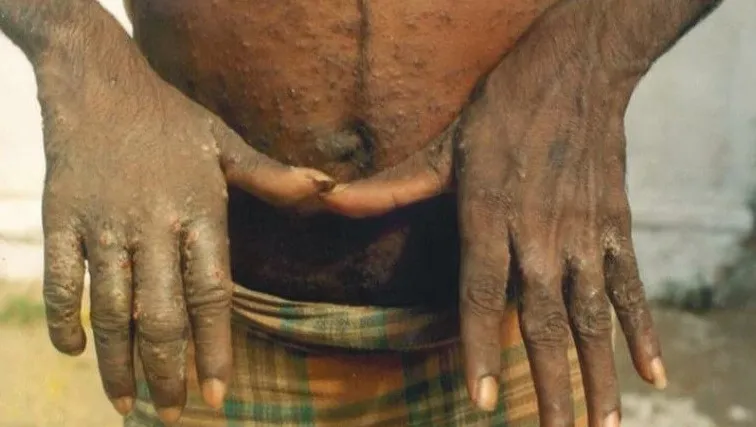
Leprosy, also called Hansen's disease, is rare in the US. The CDC counts up to 225 diagnoses a year, most of them in people who lived in a country where it is more common. Its patches can be lighter than normal skin and may lose feeling. It's hard to catch and curable with antibiotics.
What helps at home
Most light spots need time and the right diagnosis more than any product. While you wait:
- Protect the patches from the sun. Tanning makes a patch stand out more, and the AAD warns sun can push a healing spot to overshoot into a dark spot. Use clothing and shade, or a broad-spectrum, water-resistant sunscreen with SPF 30 or higher, reapplied every two hours outdoors.
- Moisturize dry skin daily, especially a child's face if pityriasis alba is the likely cause.
- Don't experiment on the patches. The AAD advises against treating light spots yourself until you know the cause, because there's no single treatment for all of them.
- Skip skin-lightening and tone-evening products. The AAD lists chemicals in some of these products, and in some hair dyes, among the known triggers for vitiligo.
- Take dated photos in the same light every week or two, so you can tell whether a patch is darkening, growing, or holding steady.
When to see a dermatologist
At the visit, the dermatologist will examine the patches and ask about every product you use, including over-the-counter acne gels, because some medications lighten skin. To confirm tinea versicolor, they may scrape a bit of skin to check under a microscope or use a Wood's lamp, which makes the yeast glow yellowish green. Only about a third of patches glow, per the 2023 review, and antifungal shampoos can change what the lamp shows, so mention any you've tried. A biopsy settles the rare cases.
Bring your photos and a list of everything you put on your skin. Then find a dermatologist in our provider directory.
Frequently asked questions
Are white spots on Black skin always vitiligo? ▼
No. Tinea versicolor, pityriasis alba, a healed rash, and sun-and-age spots are all common causes. Vitiligo patches turn milk-white with a sharp edge and no scale. A dermatologist can tell them apart, often with a Wood's lamp.
What causes light patches on my child's face? ▼
Faint, slightly scaly patches with blurry edges on a child's face are usually pityriasis alba, which is linked to dry skin and eczema. It's harmless and most cases clear within a year. Moisturize daily and protect the skin from sun. See a dermatologist if patches spread beyond the face or keep multiplying.
Will my skin color come back? ▼
Usually, for most causes. After tinea versicolor is treated, color returns over weeks to months. A spot left by a short-lived rash often darkens within a few weeks. Vitiligo rarely repigments fully on its own, but treatment can restore color.
Is vitiligo contagious or dangerous? ▼
Neither. The AAD says you can't catch or spread vitiligo, and it isn't harmful to your health. The patches do sunburn easily, so sun protection matters, and a dermatologist may check your thyroid.