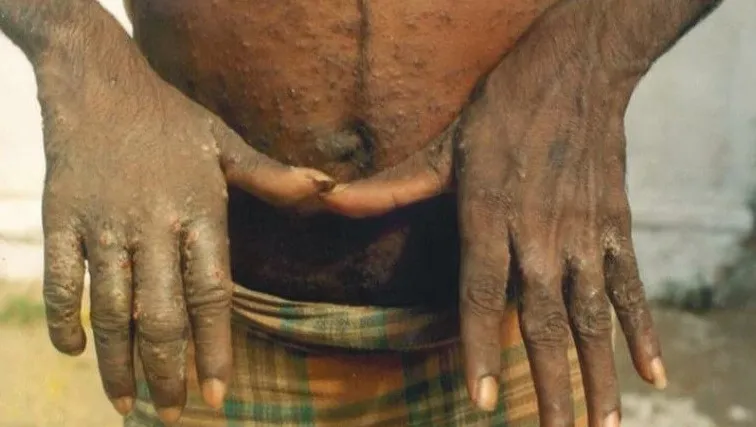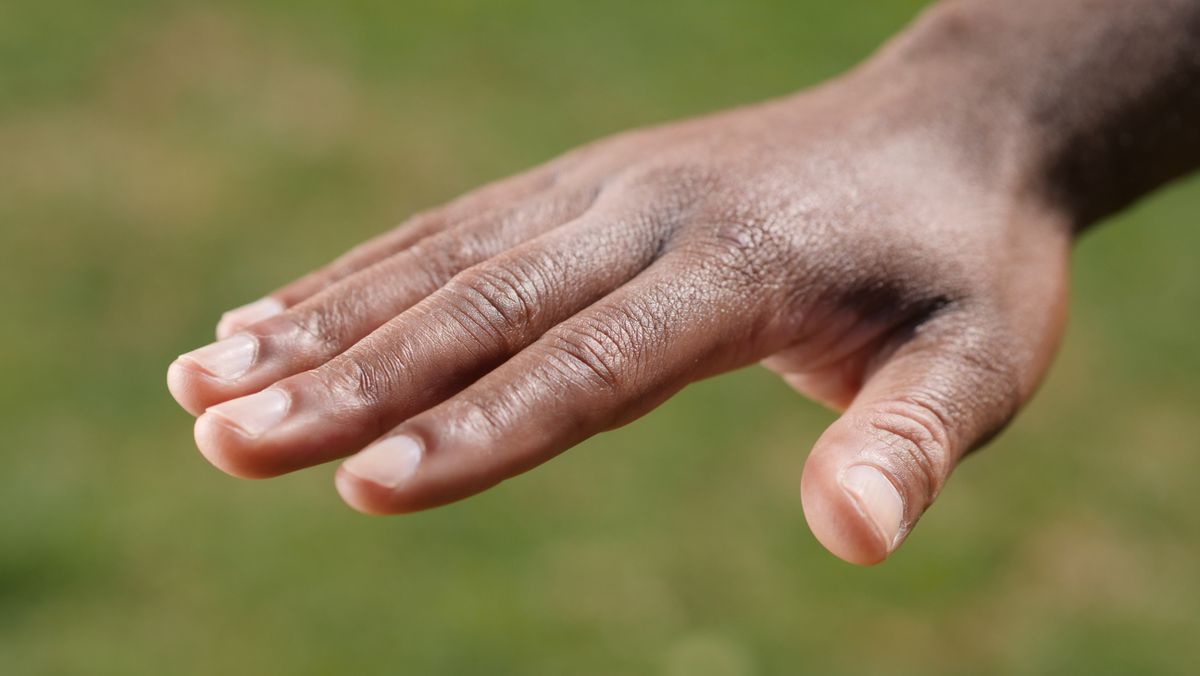
Dermatologists have a name for darker, slightly thickened skin over the knuckles, toes, and backs of the hands and feet in people who are otherwise well: acral acanthotic anomaly, also called acral acanthosis nigricans. A 2026 review in the Italian Journal of Dermatology and Venereology describes it as not typically associated with obesity, insulin resistance, or endocrine disease, and often seen in otherwise healthy people. A 2014 case report notes it is more common in people with a dark complexion, and that the dermatologist who first described it saw it in healthy Black people and did not consider it, on its own, a reason for an extensive workup.
The evidence on this pattern is thin: the 2026 review says the literature is limited to case reports and small series. So the practical test is change. Knuckles that have been darker than the rest of your hand for as long as you can remember, that match a parent's or sibling's hands, and that come with no other symptoms usually fit this pattern. Knuckles that darkened over weeks or months, or that showed up alongside tiredness, numbness, weight change or a new prescription, deserve a visit.
Darkening over the knuckles is a recognized sign of vitamin B12 deficiency. A 2026 review of the blood effects of B12 deficiency lists hyperpigmentation of the knuckles and the inside of the mouth among its skin changes. In a 2020 case report, a 29-year-old woman came to a dermatology clinic with darkened knuckles as her only complaint; her B12 was low, she was treated with oral B12, and the pigment began to fade within two months. The authors' point: catching the deficiency from the skin lets a clinician treat it before it causes permanent nerve damage.
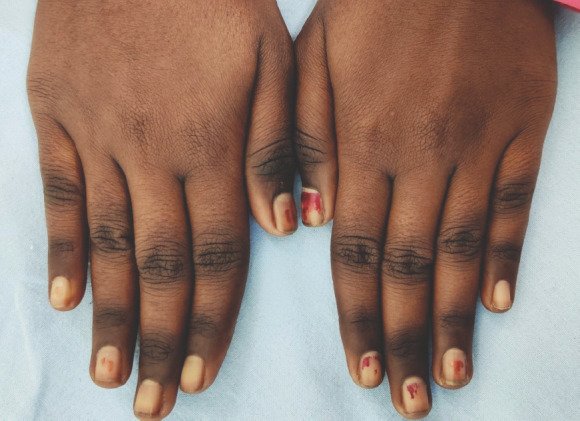
B12 deficiency affects about 2% to 3% of U.S. adults, according to a 2025 review in American Family Physician, and risk rises with older age, poor absorption, a diet low in B12, and certain medicines, including metformin and acid-reducing proton pump inhibitors. Other signs include fatigue, brain fog, low mood, and tingling or numbness in the hands and feet. Our guide to vitamin B12 deficiency in Black adults covers symptoms and treatment in more detail.
Acanthosis nigricans is darker, thicker, velvety skin that most people notice on the back of the neck or in the armpits. It also shows up on the knuckles. In a study of 320 adults aged 40 to 60, the knuckles were one of the two most common places it appeared, alongside the neck, and the skin finding was a specific sign of insulin resistance. A 2026 systematic review confirms acanthosis nigricans is commonly associated with type 2 diabetes and insulin resistance.
Common skin conditions are treated in primary care, and community health centers charge on a sliding scale that is often $0. Our directory of free and charitable clinics lists centers by state. A same-day telehealth visit is self-pay and cannot be billed to Medicaid or commercial insurance, so the clinic route usually costs less. If you need a prescription sooner than the next appointment:
Prescription skincare from a licensed clinician.
- Online visit and a treatment plan for your skin
- From $59 a month, shown before you book
 with Sesame Care
Affiliate link, we may earn a commission at no extra cost to you.
Velvety darkening on the neck or underarms in addition to the knuckles makes this cause more likely. Read our guide to acanthosis nigricans on the neck, and if blood sugar testing points to prediabetes, our guide to reversing prediabetes lays out what works.
Addison's disease happens when the adrenal glands stop making enough cortisol. The body raises a hormone called ACTH to compensate, and ACTH also drives pigment production. A 2024 review in the Indian Journal of Dermatology says the darkening is most pronounced on sun-exposed skin, areas of repeated friction, the elbows and knuckles, the creases of the palms and soles, and new scars, and that people with darker skin may show more intense pigment. The same review notes the darkening often comes months to years before other signs, which makes it a chance to diagnose the disease before a life-threatening adrenal crisis.
Addison's is rare. The skin change matters when it comes with other symptoms the review lists: muscle weakness and fatigue, weight loss and poor appetite, salt craving, nausea or vomiting, and low blood pressure that leaves you dizzy when you stand. That combination needs prompt medical care. With hormone replacement, ACTH falls and the darkening improves.
Chronic eczema in darker skin shows up as darker plaques that are dry, cracked or scaly, often with lichenification, the leathery thickening that comes from rubbing and scratching. If your knuckles itch, crack or scale, eczema is the more likely cause, and a dermatologist can treat the inflammation underneath the color.
A 2026 systematic review of drug-induced hyperpigmentation found the most commonly implicated drugs were minocycline, hydroxychloroquine and hydroxyurea, with cancer drugs among the other classes involved. Hydroxyurea is a frequently prescribed medicine for sickle cell disease. One case report described darkening isolated to the knuckles in a patient taking bosutinib, a targeted cancer drug.
If your knuckles darkened after starting a medicine, tell the clinician who prescribed it. Do not stop a medicine on your own; your prescriber can weigh the change against what the medicine is doing for you.
Most of these causes can be checked with routine blood work. Ask your primary care clinician or a dermatologist about:
- Vitamin B12. The first test is a total serum B12 level. If the result is borderline, a methylmalonic acid test sorts out whether you are truly low.
- Hemoglobin A1C. This shows your average blood sugar. Per the CDC, below 5.7% is normal, 5.7% to 6.4% is prediabetes, and 6.5% or above is diabetes.
- Morning cortisol and ACTH, if Addison's is a concern. The Endocrine Society names the ACTH stimulation test as the gold standard, with morning cortisol and ACTH as the first screen when that test is not available.
- A medication review, including anything started in the past year.
Make an appointment if your knuckle darkening is new, spreading, or paired with fatigue, numbness or tingling, weight change, salt craving, dizziness, or velvety dark skin on your neck or underarms. Bring photos if the change happened slowly; side-by-side pictures help a clinician see what you have been seeing. If the blood work is normal and the skin is not itchy or changing, you have your answer, and that answer is worth having. Find a Black dermatologist near you in our dermatology directory.
Frequently asked questions
Why are my knuckles darker than the rest of my hand? ▼
In many people with brown and Black skin, knuckles are naturally darker and slightly thicker, a pattern dermatologists see in healthy people. If the darkening is new or spreading, it can point to low vitamin B12, insulin resistance, eczema, a medication, or rarely Addison's disease.
Can vitamin B12 deficiency cause dark knuckles? ▼
Yes. Knuckle darkening is a recognized sign of B12 deficiency and can be the first or only sign. A serum B12 blood test checks for it, and in a published case the pigment began fading within two months of treatment.
Are dark knuckles a sign of diabetes? ▼
They can be. Velvety, thickened dark skin on the knuckles can be acanthosis nigricans, which is linked to insulin resistance and type 2 diabetes. An A1C test shows whether your blood sugar is in the prediabetes or diabetes range.
How do I get rid of knuckle hyperpigmentation? ▼
Treat the cause first: B12 replacement, blood sugar control, eczema treatment, or a medication review. Skip over-the-counter bleaching creams; the FDA says none are approved and some contain mercury. A dermatologist can discuss safe prescription options once the cause is known.
What tests should I ask for if my knuckles are getting darker? ▼
Ask about a vitamin B12 level, a hemoglobin A1C, and a review of your medicines. If you also have fatigue, weight loss, salt craving or dizziness, ask about morning cortisol and ACTH to check for Addison's disease.