Melanocytes in darker skin respond to inflammation by producing pigment, which is why anything that irritates the skin can leave a months-long souvenir. No fading routine outruns an active trigger. If the marks come from acne, razor bumps, or eczema, treating that condition is the first hyperpigmentation treatment; our guides to razor bumps and dry, irritated skin cover two of the most common. Ringworm is another frequent trigger, and our guide to clearing ringworm on Black skin covers how to treat the infection before the mark it leaves behind becomes the bigger problem. The same logic bans two habits: picking, and scrubbing marks with harsh exfoliants. Both are inflammation, and inflammation is the ink.
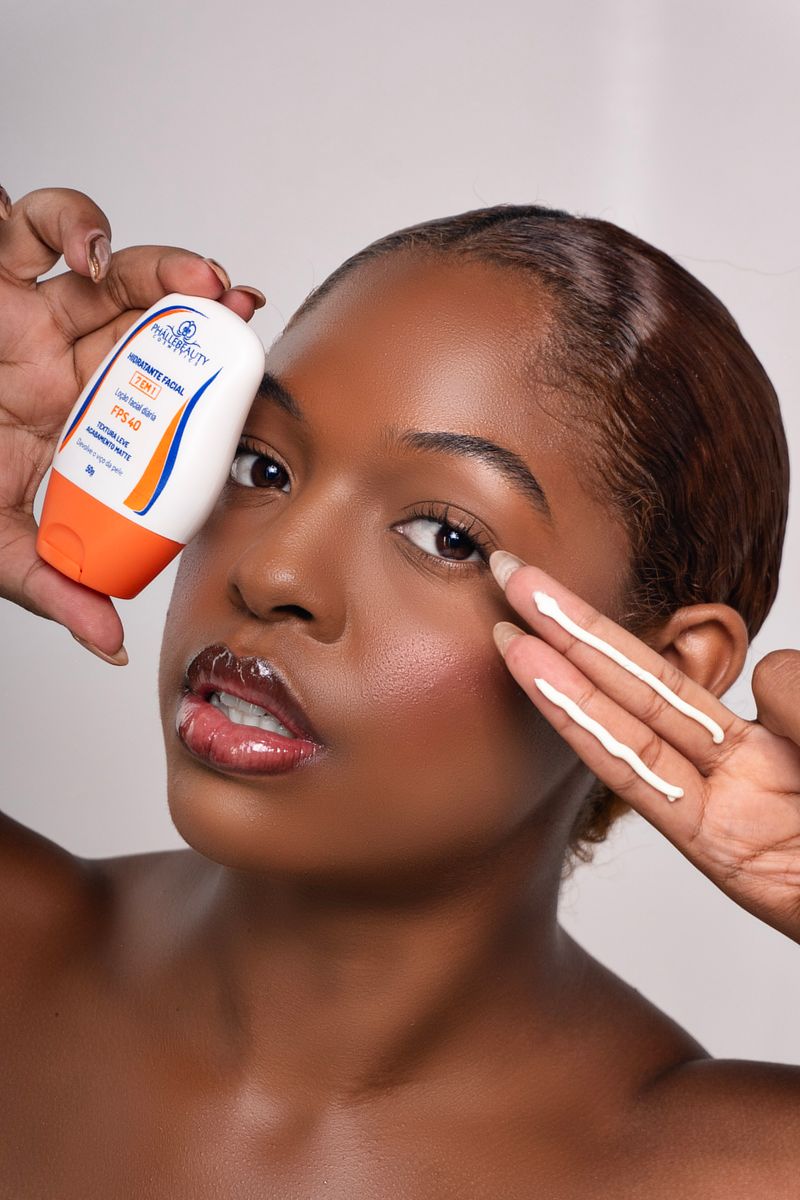
Here is the detail most routines miss: visible light, which makes up about 45 percent of solar radiation, drives pigmentation in skin types III and above, and standard broad-spectrum sunscreens protect against UV but not adequately against visible light. The fix is specific: tinted sunscreens built on iron oxides. In a controlled comparison in skin type IV, iron-oxide formulations significantly out-protected untreated skin and a plain mineral SPF 50-plus against visible-light-induced pigmentation. Daily, on the marks, every morning, regardless of weather; our sunscreen guide for Black skin covers picks without the white cast.
Azelaic acid has the cleanest dark-skin trial record on the shelf: in a 24-week randomized, double-masked study in skin types IV to VI, 20 percent azelaic acid cream reduced pigment intensity significantly more than placebo on both investigator scoring and instrument measurement, with some early burning and stinging as the trade-off. Over-the-counter strengths run about half the trial strength, so expect slower movement, and give any agent eight to twelve weeks before judging it.
Common skin conditions are treated in primary care, and community health centers charge on a sliding scale that is often $0. Our directory of free and charitable clinics lists verified centers by state. A same-day telehealth visit is self-pay and cannot be billed to Medicaid or commercial insurance, so the clinic route usually costs less. If you need a prescription sooner than the next appointment:

Sesame Care
An online visit with a licensed clinician for a prescription skincare treatment plan. The Skincare Rx program starts at $59 per month, shown before you sign up (checked August 2026).
Start a skincare consultAffiliate link, we may earn a commission at no extra cost to you.
Retinoids are the other proven rung, and the proof is unusually direct: a randomized New England Journal of Medicine trial of tretinoin 0.1 percent, run specifically in Black patients with post-inflammatory marks, measured 40 percent lightening toward normal skin color versus 18 percent with placebo over 40 weeks. The honest caveat travels with it: half the tretinoin group developed retinoid dermatitis early on, which itself can darken skin of color, so the play is the gentler over-the-counter cousin adapalene, a low starting frequency, moisturizer alongside, and patience while skin adjusts. Tretinoin itself is prescription strength for a reason.
Hydroquinone deserves a calibrated paragraph, because both the hype and the fear are wrong. Since the CARES Act took effect in September 2020, hydroquinone is prescription-only in the United States; anything sold over the counter with it today is an unapproved product. Under dermatologist supervision, in limited courses, its record is strong: a review of studies covering more than 10,000 supervised exposures found 22 US cases of ochronosis, the feared skin-darkening complication, in over 50 years. The risk lives in unsupervised, indefinite use of strong or unregulated products. Newer prescription-adjacent options have real trial data too: cysteamine cream matched and slightly beat a hydroquinone-based formula in a randomized melasma trial with better tolerability, and tranexamic acid improved melasma scores in a meta-analysis of 11 studies.
The dangerous corner of this market is unregulated lighteners. The FDA's warning is specific: avoid any skin product listing mercurous chloride, calomel, mercuric, or mercurio, stop using it immediately, and treat any lightening product without an ingredient label as disqualified on the spot, since US law requires the label. These products are typically manufactured abroad, sold illegally in the US, and the WHO notes mercury lighteners are banned in many countries because the poisoning risk is real. The same logic now applies to any product still sold over the counter claiming hydroquinone: legal hydroquinone comes from a pharmacy with a prescription.
For marks that survive months of the ladder above, chemical peels and laser can help, and the same review literature that supports them carries the warning that matters: in skin of color, aggressive procedures can trigger the exact post-inflammatory darkening they were meant to treat. This is the step where the clinician's experience with dark skin is the safety feature. Our directory of Black dermatologists exists for precisely this appointment.
Frequently asked questions
How long does hyperpigmentation take to fade on Black skin? ▼
Months, honestly. In the strongest trial data, tretinoin needed 40 weeks to produce its 40 percent lightening, with first visible change around four weeks. Marks in deeper skin layers fade slower than surface marks, and every new flare of the trigger resets the clock, which is why treating the cause and blocking visible light matter as much as any fading agent.
Is hydroquinone safe? ▼
Supervised, yes, with a strong published record: 22 US ochronosis cases across more than 50 years and 10,000-plus monitored exposures. It has been prescription-only in the US since late 2020, so use it in dermatologist-directed courses, and never buy over-the-counter or imported products claiming to contain it.
Do I really need tinted sunscreen instead of regular? ▼
For fading dark marks, the evidence says yes: visible light drives pigmentation in darker skin, regular broad-spectrum formulas do not adequately block it, and iron-oxide tinted formulations significantly out-protected plain mineral SPF 50-plus in a study in skin type IV. Look for iron oxides on the ingredient list.