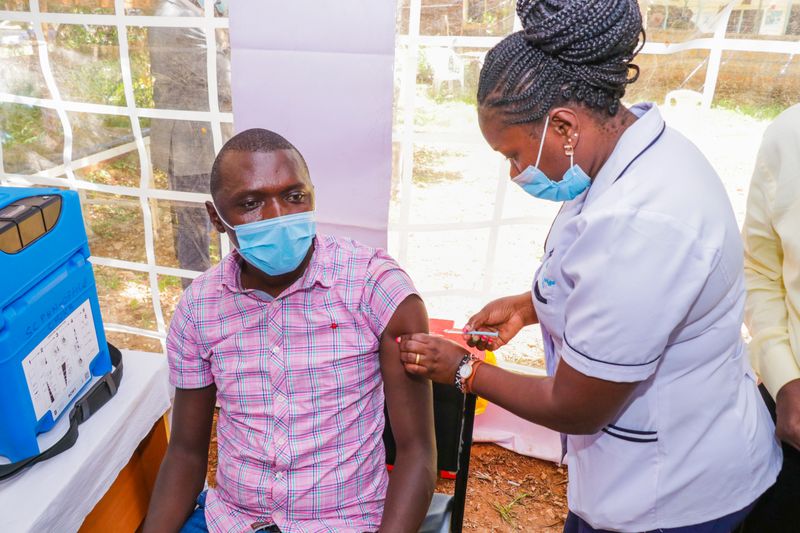
Black men need seven core screenings: blood pressure (annually starting at 18), fasting glucose or A1C (starting at 35 if overweight, earlier for high-risk individuals), a cholesterol panel (starting at 35), a PSA conversation with a provider starting at 40 to 45, colorectal cancer screening starting at 45, an HIV test at least once and regularly if at risk, and depression screening at every primary care visit. That is the schedule. The rest of this article explains what each test catches, when to start, and what to do if your provider has not offered one.
What Screenings Do Black Men Need and When?
The table below reflects current USPSTF guidelines, American Cancer Society recommendations, and AHA guidance, organized for Black men. Starting ages reflect where Black-specific risk changes the standard timeline. Talk to your provider about your personal history, because family history and existing conditions can move any of these dates earlier.
Screening Schedule for Black Men
Starting ages and frequency based on USPSTF, ACS, AHA, and CDC guidelines. Black-specific risk notes where guidelines differ from the general population.
| Screening | Start Age | How Often | Notes for Black Men |
|---|---|---|---|
Source: Sources: USPSTF 2021-2023 recommendations; American Cancer Society Prostate Cancer Screening Guidelines; CDC High Blood Pressure Facts; CDC HIV Surveillance Report 2022
Why Does Blood Pressure Matter So Much for Black Men?
Nearly 60% of Black adults have high blood pressure (hypertension), according to the CDC. The rates are higher, the onset is earlier, and the complications, including stroke, kidney failure, and heart failure, hit harder. Only 31.8% of Black adults who are on blood pressure medication have their blood pressure under control, the lowest control rate of any racial group measured by the CDC. Those numbers are not a statement about biology. They reflect decades of under-treatment, shorter appointment times, and providers who have been slower to escalate care for Black patients.
The USPSTF recommends annual screening for adults 40 and older and every three years for younger adults with normal readings. If your last reading was 130/80 or above, that is Stage 1 hypertension under current AHA guidelines, and it requires follow-up, not just monitoring. A home blood pressure cuff measured in the morning before eating, used for one week, gives your provider far more useful data than a single office reading. Ask for one. Get the numbers. Do not wait for symptoms because hypertension rarely produces them until it is serious.
Salt sensitivity, a condition where blood pressure responds more sharply to sodium intake, is more common in Black adults and has a genetic component tied to how the kidneys process sodium. This is one driver behind why the same diet can produce higher blood pressure in Black patients than in others. For more on the connection between sodium and blood pressure in Black adults, see our guide to salt sensitivity and blood pressure.
When Should Black Men Get Tested for Diabetes?
The USPSTF recommends diabetes screening starting at 35 for adults with overweight or obesity. For Black adults, earlier screening is appropriate even at normal weight when other risk factors are present, including hypertension, a family history of diabetes, or a history of prediabetes. Screening uses fasting blood glucose, an A1C test, or an oral glucose tolerance test. Ask for an A1C at your next annual exam if you have not had one.
Undiagnosed and poorly controlled type 2 diabetes causes nerve damage, kidney failure, vision loss, and limb amputations. Black adults experience higher rates of diabetes complications and worse outcomes than the national average, a pattern driven by later diagnosis, less access to specialist care, and providers who underestimate risk at earlier stages. See our full breakdown at type 2 diabetes in Black adults.
At What Age Should a Black Man Get a Prostate Exam?
The American Cancer Society recommends that Black men have a conversation with their provider about PSA screening starting at age 40 to 45, not at 50 as is standard for men at average risk. Prostate cancer develops more often in Black men and tends to appear at a younger age. The SEER program at the National Cancer Institute reports a prostate cancer incidence rate of 200.1 per 100,000 for Black men (2019-2023 data), compared to an overall rate of 123.2 per 100,000. The mortality rate for Black men is 36.2 per 100,000, compared to 18.9 per 100,000 overall.
Whatever brought you to this page, community health centers see patients regardless of insurance and charge on a sliding scale that is often $0. Our directory of free and charitable clinics lists centers by state. A same-day telehealth visit is self-pay and is not billed to Medicaid, so if you have Medicaid the clinic route will usually cost less. If you would rather see a clinician online today:
 Sesame Care
See a doctor online today.
Same-day video visits from $34
See a doctor todayA PSA (prostate-specific antigen) blood test does not diagnose cancer. It measures a protein the prostate produces and flags values that warrant further evaluation. The ACS recommends annual testing if PSA is 2.5 ng/mL or higher, and testing every two years if below that threshold. If your provider has not raised this conversation, bring it to them. Your family history, specifically whether a father or brother had prostate cancer, is the first thing your provider needs to know before deciding when to start. Read our detailed article on prostate cancer in Black men for the full evidence picture.
How Does Colorectal Cancer Screening Work and When Should You Start?
The USPSTF recommends colorectal cancer screening starting at age 45 for all adults, with strong endorsement for continued screening through age 75. Black adults have the highest incidence of and mortality from colorectal cancer of any racial or ethnic group in the United States, and the USPSTF specifically calls on clinicians to ensure their Black patients receive recommended screening, follow-up, and treatment.
Screening options include a colonoscopy every 10 years, an annual fecal immunochemical test (FIT), a stool DNA test every one to three years, or CT colonography every five years. Colonoscopy has the advantage of allowing your provider to remove polyps during the same procedure. FIT is at-home, non-invasive, and free under most insurance plans. If barriers to colonoscopy are access, cost, or preparation logistics, ask for a FIT kit as a starting point. Something is always better than nothing. See our complete breakdown of colorectal cancer screening for Black adults.
Should Black Men Get Regular HIV Tests?
The USPSTF recommends HIV screening at least once for all adults ages 15 to 65, and more frequently for those at increased risk. Black Americans received 14,553 new HIV diagnoses in 2022, representing 38% of all new diagnoses in the United States despite being 12% of the US population, according to CDC surveillance data. Black men accounted for 11,029 of those diagnoses, or 36% of all male diagnoses nationally that year.
HIV testing is a routine part of primary care. It requires a blood draw or an oral swab. Results typically return within minutes with rapid testing. Knowing your status is the prerequisite for treatment, which, when started early, allows people with HIV to live full lives with normal life expectancy. If you are sexually active with multiple partners or have any other risk factors, annual testing is appropriate. PrEP (pre-exposure prophylaxis) is over 99% effective at preventing HIV transmission when taken as prescribed and is covered without cost sharing under most insurance plans. Learn more at our article on PrEP and HIV prevention for Black Americans.
Why Depression Screening Is on This List
The USPSTF recommends depression screening for all adults at primary care visits. Black men are significantly less likely to be screened, less likely to receive a diagnosis, and less likely to be offered treatment when depressive symptoms are present. Provider bias plays a documented role: clinicians are less likely to recognize depression in Black male patients and more likely to interpret symptoms through a lens of social stress rather than clinical illness. The PHQ-2 and PHQ-9 are validated two-minute questionnaires that take seconds for a provider to score. If your provider has not offered one, ask for it by name.
Mental health is not separate from physical health. Depression worsens blood pressure control, medication adherence, and diabetes management. It raises cardiovascular risk independently. Screening for depression is as clinical as screening for hypertension. The conversation may feel different, but the standard of care is the same.
What About Cholesterol and Heart Disease Risk?
The USPSTF recommends that adults 40 to 75 with one or more cardiovascular risk factors and a 10-year CVD event risk of 10% or higher discuss preventive statin therapy with their provider. High blood pressure, diabetes, current smoking, and high LDL cholesterol are all qualifying risk factors. A lipid panel (total cholesterol, LDL, HDL, triglycerides) is the standard first test and is included in most comprehensive annual labs. For Black men who already have hypertension or diabetes, the conversation about cholesterol management and statin therapy should happen at the same appointment. For a deeper look at the evidence on statins in Black patients, see our article on high cholesterol and statins in Black patients.
How to Get These Screenings Done
One annual well-man visit covers blood pressure, glucose, cholesterol, and depression screening in a single appointment. PSA, colorectal cancer screening, and HIV testing can be added to the same visit with a short conversation. Bring the screening table from this article to your appointment and go through each item with your provider. If your provider pushes back on starting a PSA conversation before 50, cite the ACS guideline for Black men specifically. You have the right to ask for any recommended screening. Where the recommending bodies disagree, and when each of them last published, is set out screening by screening in the VitalDecades screening reference.
Finding a provider who understands Black men's health and does not dismiss your concerns is not a luxury. It is a prerequisite for good care. Search our directory for Black clinicians in your area.
Frequently asked questions
At what age should a Black man get a prostate exam? ▼
The American Cancer Society recommends that Black men begin discussing PSA testing with their provider at age 40 to 45, compared to age 50 for men at average risk. This earlier start reflects higher incidence and earlier onset of prostate cancer in Black men. A PSA test is a blood draw that takes minutes. The conversation about whether to test and what the results mean happens with your provider before and after the test.
How often should Black men get a physical? ▼
Every year, starting in young adulthood. Annual well-man visits create the opportunity to check blood pressure, blood glucose, cholesterol, weight, depression, and any cancer screenings due that year. Many conditions that disproportionately affect Black men develop silently over years before producing symptoms. Catching them at an annual visit, before symptoms appear, is when treatment is most effective.
Does high blood pressure feel different in Black men? ▼
No. High blood pressure almost never produces symptoms until it reaches dangerous levels. You cannot feel a reading of 140/90. The only way to know your blood pressure is to measure it. This is exactly why screening matters: a condition that kills at elevated levels is invisible without a test. Home blood pressure monitors cost $25 to $50 and give you readings outside the white-coat effect of a clinical setting.
Is HIV testing necessary if you are not gay or bisexual? ▼
Yes. The USPSTF recommends HIV testing at least once for all adults 15 to 65 regardless of sexual orientation or reported risk behavior. Black men account for 36% of male HIV diagnoses nationally. Heterosexual contact accounted for a significant share of those diagnoses. Testing is the only way to know your status, and early diagnosis means early treatment, which eliminates transmission risk and preserves long-term health.
What is the earliest age Black men should start colorectal cancer screening? ▼
Age 45, per the USPSTF and American Cancer Society guidelines for all adults. Some gastroenterology societies recommend starting at 40 for people with a first-degree relative who had colorectal cancer before age 60. If that applies to you, tell your provider. Screening options include a colonoscopy, an annual at-home FIT test, or a stool DNA test. Colonoscopy every 10 years is the most comprehensive option.
What if I cannot afford these screenings? ▼
Most of these tests are covered at no cost under the ACA for in-network preventive care: blood pressure, diabetes (A1C), cholesterol, HIV, and depression screening are all on the preventive services list. Colorectal cancer screening is also covered. PSA is covered when ordered as part of a preventive visit. If you are uninsured, HRSA-funded community health centers offer sliding-scale fees at over 1,400 locations nationally. Find one at findahealthcenter.hrsa.gov.