If your child has a few small, firm, dome-shaped bumps with a tiny dent in the middle, leave them alone and get them looked at. That pattern is the signature of molluscum contagiosum, a common skin virus most often seen in children aged 1 to 10, according to the American Academy of Dermatology. In a UK study that followed 306 children, the bumps took a mean of 13.3 months to clear without treatment (Olsen et al., 2015). On brown and dark skin, the lasting problem is often the dark or light marks that picking and some treatments leave behind.
On brown and dark skin, the shape gives it away
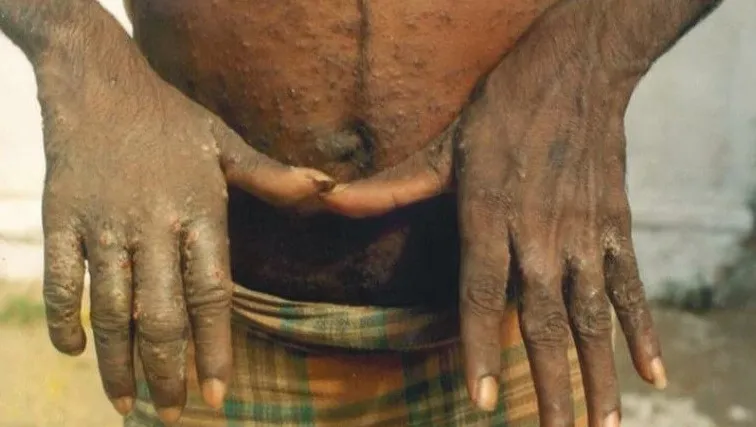
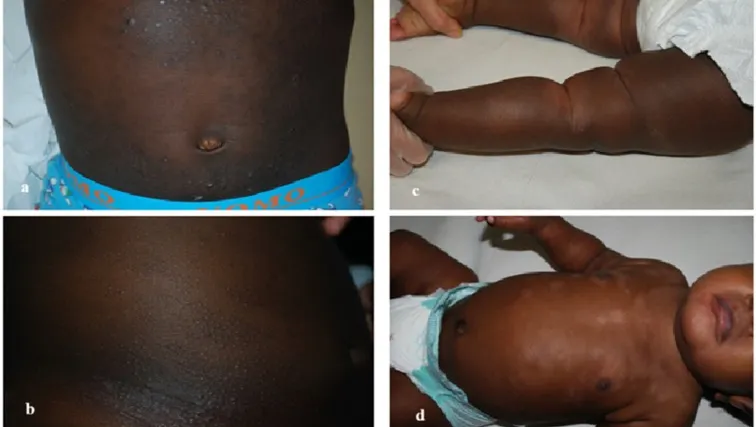
The AAD describes new molluscum bumps as small, firm, and pink, flesh-colored, or white. As they grow they become dome-shaped and develop an indent in the center, "which can look like someone pushed a pin into the middle" (AAD). A 2024 case report describes them as pearly white or skin-colored, with a shiny surface and that central dip (Jeyaseelan et al., 2024). On brown and dark skin, a skin-colored bump blends in, so look for the dome and the dent.
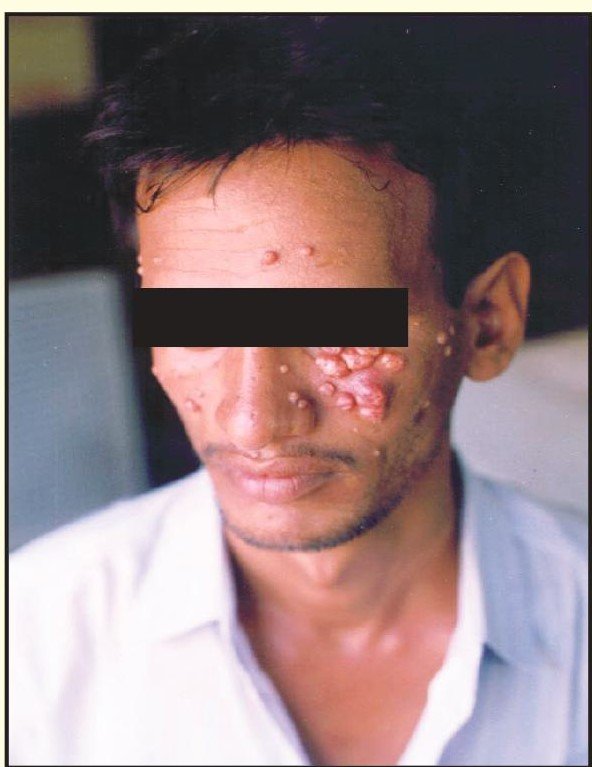
That shape holds up across skin tones: a 2024 review found magnified (dermoscopy) images of molluscum look consistent across skin tones (Karampinis et al., 2024). Redness is another story. Clinicians treating an 8-year-old Black girl warned that redness "may be subtle in darker skin types and appear more violaceous or hyperpigmented," meaning purple or darker brown rather than red (Hobbs et al., 2024).
In children, bumps usually show up on the torso, armpits, backs of the knees, crooks of the arms, and the groin. They rarely appear on the palms or soles, and they show up 2 to 8 weeks after contact with the virus (AAD).
Red, swollen bumps often mean the virus is on its way out
When bumps suddenly turn tender and crusted, pediatric dermatologists call it the "BOTE" sign, for beginning of the end: the inflammation is usually the immune system clearing the virus, not a bacterial infection, and it does not need antibiotics (Butala et al., 2013). On dark skin, that inflammation may read as purple or deep brown rather than red. Some children also get an itchy rash on the knees, elbows, and hands as the virus clears, called a Gianotti-Crosti-like reaction; in the 2024 case, it cleared within five weeks on a prescription steroid cream (Hobbs et al., 2024).
The dark marks afterward are the part that lasts
Post-inflammatory hyperpigmentation, the dark spots left after skin inflammation, "tends to affect darker skinned patients with greater frequency and severity" (Davis and Callender, 2010). The authors of the 2024 case report wrote that marks after molluscum-related inflammation are more likely in skin of color and can show up as either darker or lighter patches. In a North Carolina study of 252 people with molluscum, 23.1% of those surveyed reported scarring or changes in skin color afterward (Yi et al., 2025).
The first treatment for dark marks is controlling the inflammation that causes them, plus sunscreen (Davis and Callender). Our guide to dark spots on Black skin covers what fades them.
Common skin conditions are treated in primary care, and community health centers charge on a sliding scale that is often $0. Our directory of free and charitable clinics lists centers by state. A same-day telehealth visit is self-pay and cannot be billed to Medicaid or commercial insurance, so the clinic route usually costs less. If you need a prescription sooner than the next appointment:
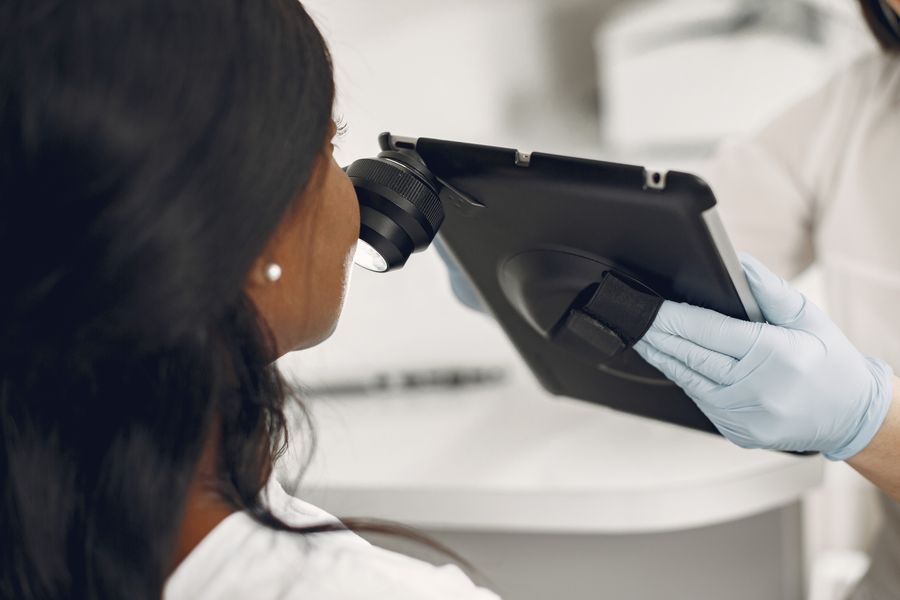
Prescription skincare from a licensed clinician.
- Online visit and a treatment plan for your skin
- From $59 a month, shown before you book
 with Sesame Care
Affiliate link, we may earn a commission at no extra cost to you.
How molluscum spreads, in children and in adults
The virus spreads through skin-to-skin contact and through shared items. The AAD lists unwashed towels, wrestling mats, and shared clothing or sports gear. It does not spread through coughs or sneezes, and a person is contagious until all the bumps are gone (AAD). In the UK study, it passed to another child in the home in 41% of cases (Olsen et al., 2015).
In teens and adults, molluscum usually comes from sexual contact, and the bumps appear on and around the genitals (AAD). A 2024 study of the national All of Us database found adults with molluscum were more likely to also have syphilis, HIV, chlamydia, genital warts, or genital herpes (Hill et al., 2024). Adults with genital bumps should ask for a full STI screen, including HIV and syphilis blood tests. Our STD testing guide shows where to get tested, and our guide to genital warts on Black skin covers the bumps molluscum is most often confused with.
Large or widespread bumps in an adult can signal a weakened immune system, including untreated HIV. For people living with HIV, antiretroviral therapy is the treatment of choice (AAD).
Picking spreads it to new skin
Scratching, rubbing, or picking a bump and then touching clear skin plants the virus somewhere new. Shaving over bumps and reusing the razor does the same (AAD). Squeezing out the core can also leave scars (Hobbs et al., 2024), and every scratched bump is new inflammation that can leave a mark on brown skin. Keep nails short, cover bumps during sports, and do not share towels.
Kids with eczema catch it more easily and get more bumps
Children with eczema catch molluscum more easily, likely because dry, cracked skin lets the virus in (AAD). Eczema also predisposes children "to more widespread infection" (Lyakhovitsky et al., 2025). The AAD lists eczema as a reason to treat rather than wait. An itchy eczema-like rash can also form around the bumps (molluscum dermatitis), and scratching it spreads the virus, so controlling eczema is part of treating molluscum. See our guide to baby eczema on Black skin.
Most cases clear on their own, but it can take a year or more
The AAD says bumps clear in 6 to 18 months on average without treatment, and new bumps can keep appearing for 3 or 4 years in some people. In the UK study, 30% of children still had bumps at 18 months and 13% still had them at 24 months (Olsen et al., 2015). The North Carolina study found a mean of 9.9 months untreated, with some cases lasting 2 or 3 years (Yi et al., 2025). Waiting is a reasonable choice for a few bumps in a healthy child. Treat sooner when bumps spread, itch, sit on the genitals, or leave marks.
Two FDA-approved treatments now exist
Berdazimer gel (Zelsuvmi) is a prescription gel applied at home once a day to each bump for up to 12 weeks. It was first approved in 2024 for adults and children 1 year and older (FDA label). In its main trial, 32.4% of patients were completely clear at 12 weeks, compared with 19.7% on a placebo gel (Browning et al., 2022). The label lists skin discoloration in 1.5% of patients. Black patients were 6% of the participants in the trials behind its approval, so ask your dermatologist what they have seen on dark skin.
Cantharidin 0.7% (Ycanth) is applied in the office by a trained clinician, not at home. It was first approved in 2023 for adults and children 2 years and older. It is applied to each bump every 3 weeks as needed and washed off with soap and water 24 hours later, or sooner if blistering is severe (FDA label). In two trials, 46.3% and 54.0% of patients were clear by day 84, compared with 17.9% and 13.4% on placebo (Eichenfield et al., 2020). It works by raising a small blister, and a systematic review of cantharidin found darker or lighter skin changes among the most common side effects (Vakharia et al., 2018), so ask about that risk before treatment.
Freezing, scraping, and laser are other options. In a study of 49 patients in northern Tanzania, light patches were the most common side effect of freezing (Chapa et al., 2021). The AAD notes the CDC does not recommend imiquimod cream for children, and the FDA has received reports of scarring from over-the-counter molluscum products sold online (AAD).
When to see a dermatologist, and what to ask
Book a visit if the bumps are spreading, if your child has eczema, if bumps are near the eyes or on the genitals, or if you see dark or light marks forming. A dermatologist can usually diagnose it by looking, and can scrape a bump for a microscope check if needed (AAD). Ask which treatment carries the lowest risk of dark marks on your skin, and how to manage any eczema at the same time. Find a Black dermatologist near you in our directory.
Frequently asked questions
How long is molluscum contagious? ▼
Until every bump is gone, according to the American Academy of Dermatology. New bumps can appear while old ones clear, so that can mean many months.
Does molluscum leave dark spots on Black skin? ▼
It can. Inflammation from scratching, picking, or some treatments can leave darker or lighter patches on skin of color.
Is molluscum contagiosum an STD? ▼
In children, no: it spreads through everyday contact. In teens and adults, genital bumps usually come from sexual contact and count as a sexually transmitted infection. Adults should get a full STI screen.
Why are my child's molluscum bumps turning red or dark and swollen? ▼
Usually because the immune system is clearing the virus (the BOTE sign). On dark skin this can look purple or deep brown. See a clinician if your child has a fever or the bumps become very painful.
Can I pop or squeeze molluscum bumps at home? ▼
No. Squeezing spreads the virus, invites infection, and can leave scars and dark marks.