If your child has sores around the nose or mouth that ooze and then dry into a crust the color of honey, get them seen this week and ask whether it is impetigo. It is a bacterial skin infection that the CDC says is most common in children 2 through 5, and a 2026 evidence review in American Family Physician puts US cases at more than 3 million a year. On brown and black skin the crust is the sign to trust, because the redness most descriptions lead with can be hard to see.
What impetigo looks like on brown and black skin
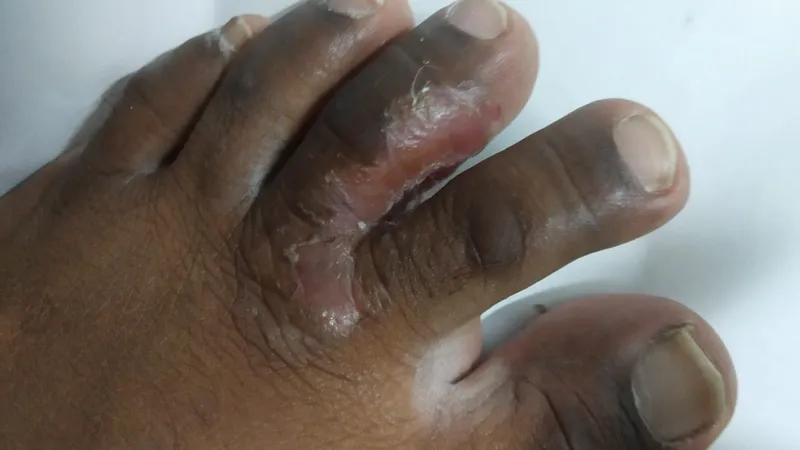
The CDC describes impetigo as red, itchy sores that break open, leak clear fluid or pus for a few days, and then form a crusty yellow or honey-colored scab. AAP pediatric dermatologists say it is especially common on the face, around the nose, mouth, and ears, and often shows up on the arms and legs.
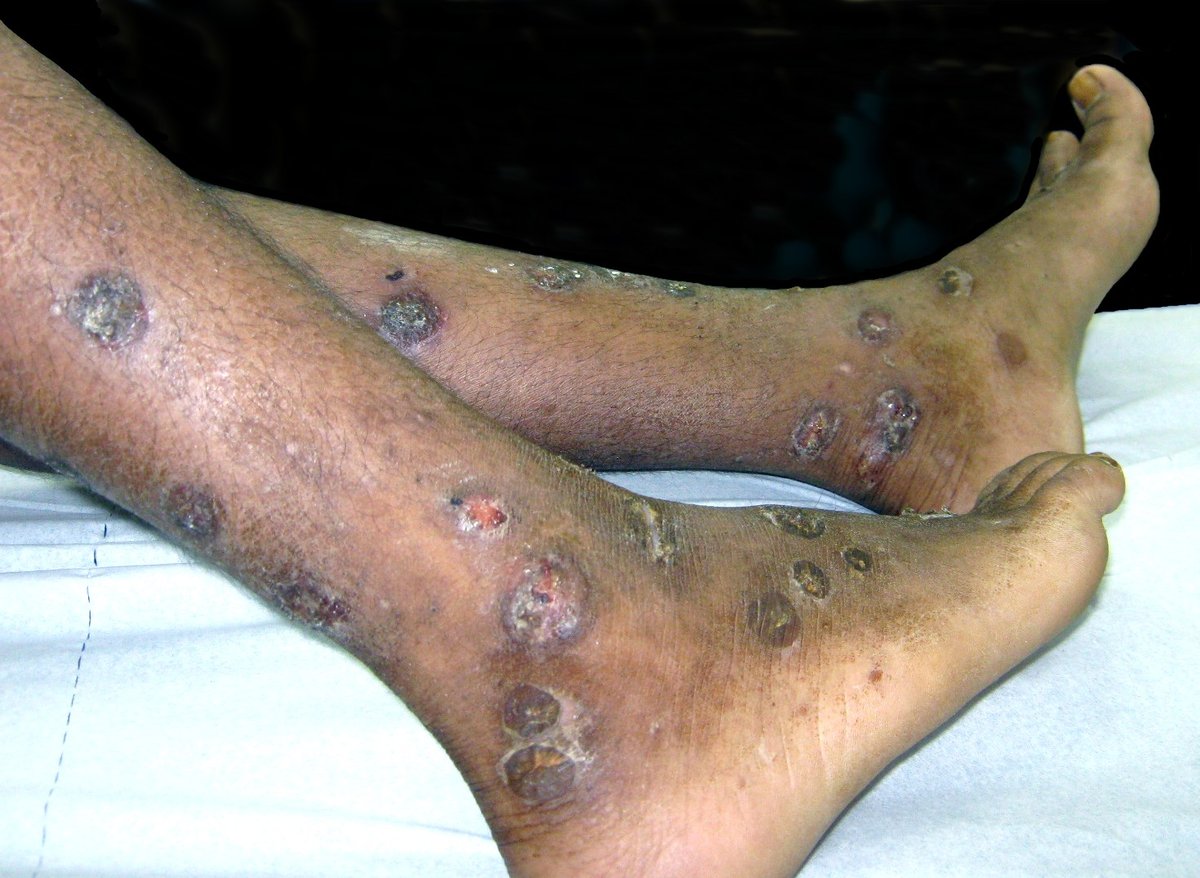
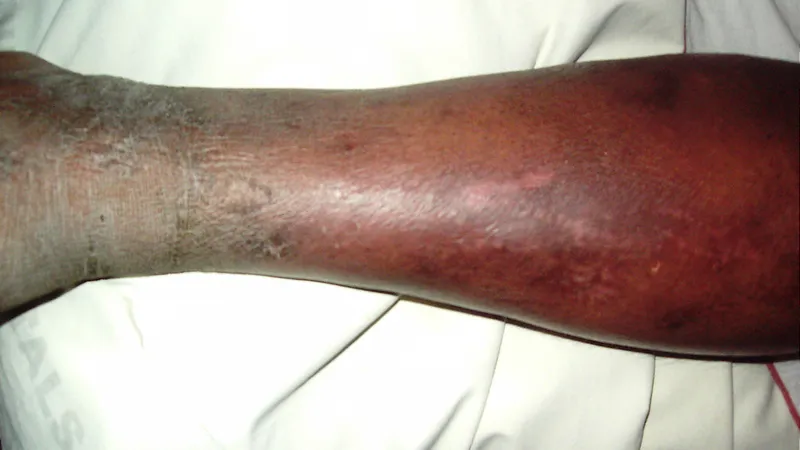
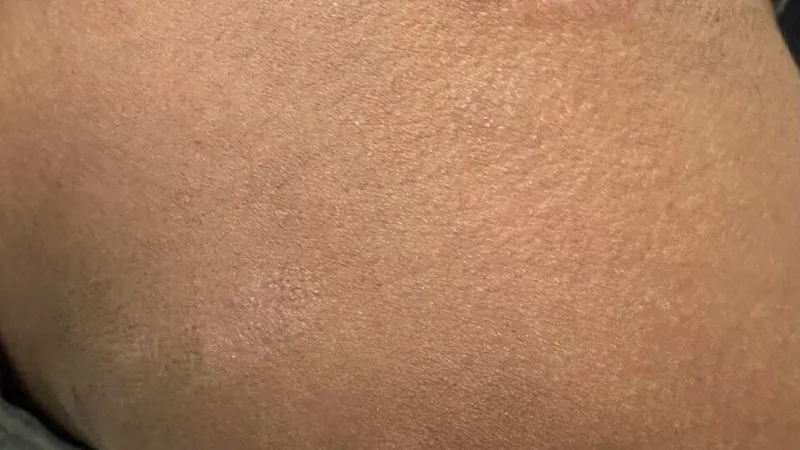
The part that changes on darker skin is the red. A 2025 review of how inflammation shows across skin tones in Cureus found that erythema, the clinical word for redness, is often less visible in richly pigmented skin, and that it tends to appear violaceous (purple), gray, or brown. That review covered skin inflammation broadly, not impetigo specifically, and the gap is the point: a 2024 scoping review in Open Forum Infectious Diseases searched PubMed and ScienceDirect through October 2023 for how skin infections present on skin of color and found no eligible results for impetigo at all. Look for the crust, the oozing, and new sores nearby, not a red ring.
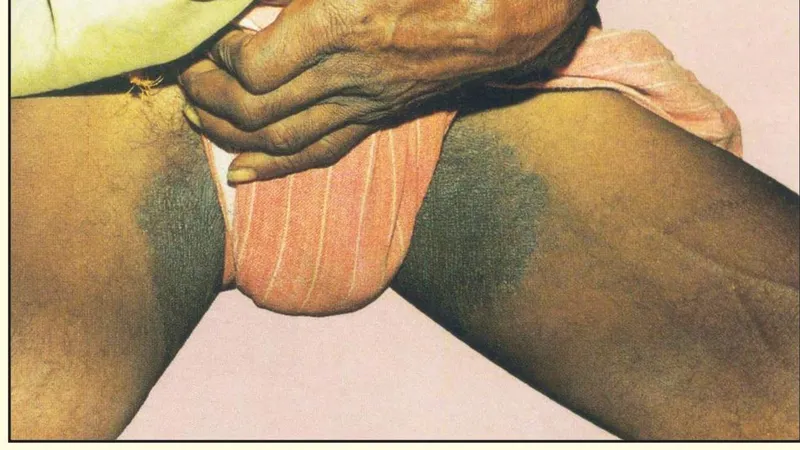
There are two forms. About 70% of cases are nonbullous, the crusted kind above, and about 30% are bullous, according to a 2014 American Family Physician review. Bullous impetigo is caused by staph bacteria and makes large, floppy blisters that favor skin folds. The American Academy of Dermatology describes blisters filled with cloudy or yellow fluid, without redness on the surrounding skin, that go limp, break open, and leave crusted sores.
How it gets in and how it spreads
Impetigo needs an opening. AAP says it starts at a break in the skin from an insect bite, a cut, or damage from another condition like eczema, and the AAD notes a child can get it by scratching itchy eczema or chickenpox. That makes eczema a setup to watch: itchy patches get scratched open, and bacteria walk in. Our guide to baby eczema on Black skin covers keeping that barrier closed. Cases climb in warm weather, when outdoor scrapes and bug bites pile up.
The CDC calls close contact with someone who has impetigo the most common risk factor. The AAD adds that children and athletes, naming wrestlers and football players, often catch it skin to skin, and that towels, sports equipment, and clothing can carry it. Adults get impetigo too. AAP says anyone can, and diabetes appears among the risk factors in the 2026 review.
Whatever brought you to this page, community health centers see patients regardless of insurance and charge on a sliding scale that is often $0. Our directory of free and charitable clinics lists centers by state. A same-day telehealth visit is self-pay and is not billed to Medicaid, so if you have Medicaid the clinic route will usually cost less. If you would rather see a clinician online today:

See a doctor online today.
- Same-day video visits from $34
- Price shown before you book
- No insurance needed
 with Sesame Care
Affiliate link, we may earn a commission at no extra cost to you.
Treatment: cream for a few spots, pills for many
For mild impetigo, the 2026 review names mupirocin 2% ointment or retapamulin 1% ointment as the recommended first treatment, for both forms. The AAD notes the FDA has approved retapamulin for children as young as 9 months. A newer cream, ozenoxacin 1%, was tested in a randomized trial of 411 patients aged 2 months and older: after five days of twice-daily use, 54.4% had clinical success against 37.9% on a placebo cream. The trial was funded by the drug's makers.
A Cochrane review of 68 trials found good evidence that topical mupirocin works as well as or better than antibiotics by mouth for limited impetigo, with fewer side effects. Oral antibiotics come in when it spreads. AAP says pills are used when a large area is affected, and the 2026 review adds outbreaks and cases that have not responded to a cream within 3 to 5 days, with options such as cephalexin or dicloxacillin. Plain penicillin is not a good choice, and the 2014 review says topical disinfectants are inferior to antibiotics and should not be used.
At home, AAP advises washing the sores with soap and water every day to gently lift the crusts, covering them loosely with a bandage, and keeping your child's towels and washcloths separate. If impetigo keeps coming back, ask about the nose: the AAD says the bacteria often thrive in the nostrils, and a dermatologist may have you apply the antibiotic there.
When your child can go back to school or daycare
Authoritative sources do not agree on a single rule, so here is each one. The CDC says people with impetigo can return to work, school, or daycare once they have started antibiotic treatment, with all sores on exposed skin covered. The 2026 review advises staying out until 12 to 24 hours after starting antibiotics or until the skin improves. AAP is the most cautious: avoid close contact with other children until the rash is clear or improving after two days of antibiotics. Daycares often set their own policy, so ask your pediatrician for a note with the date treatment started.
Teens and adults do not need to stay home, according to the AAD, as long as they keep sores covered, avoid skin-to-skin contact, and wash their hands after touching the skin. For athletes in contact sports, that means asking a clinician before going back to practice. With treatment, the AAD says impetigo is usually no longer contagious within 24 to 48 hours.
The dark marks afterward, and how to limit them
Impetigo usually heals without scarring. The AAD says scars come only when scratching cuts deep into the skin, or when untreated impetigo turns into ecthyma, a deeper infection. What brown skin often keeps is post-inflammatory hyperpigmentation, flat dark spots where the sores were. A review of hyperpigmentation in skin of color in the Journal of Clinical and Aesthetic Dermatology lists impetigo among its very common causes, describes the marks as tan to dark brown, and says they can take months to years to fade without treatment. Sun exposure and repeated inflammation make them worse.
Fast treatment, hands off the scabs, and sunscreen on healed spots all help. Our guide to dark spots on Black skin covers what fades them and what to skip.
How to get care
A clinician can usually diagnose impetigo by looking. If the sores are widespread, keep coming back, or have not improved after 3 to 5 days on treatment, ask whether a swab should go for culture; the AAD notes that a sample from a blister shows which bacteria are causing the infection. That matters because resistant staph (MRSA) and mupirocin-resistant strep have both been documented. Start with your child's pediatrician or a pediatric provider in our directory, and see a dermatologist for repeat infections or dark marks that linger.
Frequently asked questions
What does impetigo look like on Black skin? ▼
Sores that ooze and then dry into a yellow or honey-colored crust, most often around the nose and mouth or on the arms and legs. The redness around the sores can look purple, gray, or brown on darker skin, or barely show, so the crust is the more reliable sign. Bullous impetigo makes floppy blisters that break and leave crusted sores.
How long is impetigo contagious? ▼
Until it is treated and healing. The American Academy of Dermatology says that with treatment it is usually no longer contagious within 24 to 48 hours. Without treatment it can keep spreading new sores for weeks.
When can my child go back to school or daycare with impetigo? ▼
The CDC says once antibiotics have started and sores are covered. A 2026 American Family Physician review says 12 to 24 hours after starting antibiotics. The American Academy of Pediatrics says to avoid close contact until the rash is clear or improving after two days of antibiotics. Check your school's policy and ask your pediatrician.
Can adults get impetigo? ▼
Yes. It is most common in young children, but anyone can get it, and athletes in contact sports such as wrestling and football catch it through skin contact and shared gear. Teens and adults can keep working or going to school if sores stay covered and they wash their hands after touching them.
Will impetigo leave dark spots on my child's skin? ▼
It can. Impetigo is a common cause of post-inflammatory hyperpigmentation in brown skin, flat dark marks that can take months to years to fade. Treating early, not picking the crusts, and using sunscreen on healed spots all help.
Can I treat impetigo with over-the-counter products? ▼
Not reliably. The treatments with evidence behind them, such as mupirocin or retapamulin cream, are prescribed, and research reviews found disinfectant washes do not work as well as antibiotics. See a clinician, who can also rule out look-alikes.